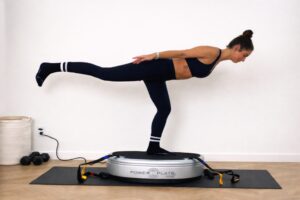
5 Minute Exercise and Better Sleep for Heart Health

heart health tips
If you’ve been trying to improve your health, you’ve probably felt the pressure. Long workouts. Strict routines. Perfect sleep schedules. And when you can’t keep up, it feels like you’re falling behind.
Here’s the shift happening in 2026. Health isn’t about doing more. It’s about doing just enough, consistently. The idea of the minimum effective dose is becoming central to how we approach longevity and heart health. And surprisingly, two habits are leading that change—adding just 11 extra minutes of sleep and committing to a simple 5-minute heart health exercise.
Why 11 Minutes of Sleep Actually Matters
You don’t need to suddenly hit eight hours every night. For most people, that’s unrealistic. But adding even a small amount of sleep can make a measurable difference. Those extra minutes give your body time to reset. Blood pressure begins to stabilize. Stress hormones start to drop. Inflammation reduces slightly, but consistently.
Over time, that adds up.
Think of it less as “sleeping more” and more as giving your cardiovascular system a short but necessary recovery window every night. This is where sleep hygiene becomes practical. Not complicated. Just small adjustments like dimming lights earlier or cutting screen time by 10–15 minutes. It’s simple. But effective.
The 5-Minute Exercise That Changes Everything
Now let’s talk about movement. Most people assume they need long workouts to see results. That’s often where consistency breaks.
The reality is different. A 5-minute heart health exercise can be enough to trigger meaningful changes in your body. These short bursts—sometimes called micro-workouts—are designed to counter sedentary behavior risks 2026.
Climbing stairs. A quick bodyweight circuit. Even a brisk walk. It’s not about intensity alone. It’s about frequency.
When you move, even briefly, your blood flow improves. Your muscles start pulling glucose from your bloodstream. Your blood vessels become more responsive. And that directly supports stroke prevention and lowers heart attack risk.
Why Sitting Is Still the Bigger Problem
Even if you exercise, long hours of sitting can undo a lot of that progress. This is where most people struggle.
Workdays are built around sitting. Meetings. Screens. Long stretches without movement. That’s why small interruptions matter. Standing up. Walking for two minutes. Stretching. These aren’t random actions. They’re mechanical resets for your circulatory system. Without them, blood flow slows down. Over time, that increases cardiovascular risk. So instead of thinking about “exercise sessions,” think about daily movement as maintenance.
Simple Habits That Actually Work
If you want something practical, start here:
- Add 10–15 minutes earlier wind-down time to improve sleep hygiene
- Include one 5-minute burst of movement daily (stairs or brisk walking)
- Take short standing breaks every hour
- Practice 2–3 minutes of deep breathing to regulate blood pressure
These aren’t overwhelming changes. That’s the point. They’re easy to repeat.

better sleep habits
How Sleep and Movement Work Together
This is where things get interesting. These two habits don’t work in isolation. Better sleep improves your energy levels, making it easier to stay active. At the same time, even small amounts of daily movement help regulate your sleep cycle. It becomes a loop. You sleep slightly better. You move slightly more. And over time, both improve.
This feedback cycle is one of the most effective ways to reduce cardiovascular disease risk without drastic lifestyle changes.
Why This Approach Feels More Sustainable
Most people don’t fail because they lack discipline. They fail because the plan is too demanding. When you shift toward small daily habits, the pressure drops. You don’t need perfect days. You just need consistent ones.
That’s what makes this approach work long-term. Instead of chasing extremes, you’re building something steady.
Conclusion
Heart health in 2026 is no longer about intensity. It’s about consistency. Adding 11 minutes of sleep. Moving for 5 minutes a day. Breaking up long periods of sitting. These changes seem small, but they target the core systems that influence your cardiovascular health.
Over time, they compound. You don’t need a complete lifestyle overhaul to lower your risk. You just need a few habits that you can actually stick to. And that’s what makes them effective.