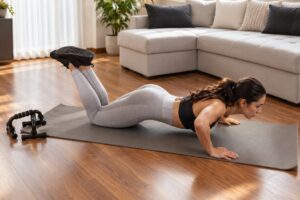
At-Home Pilates Routine That Tones Your Core Fast
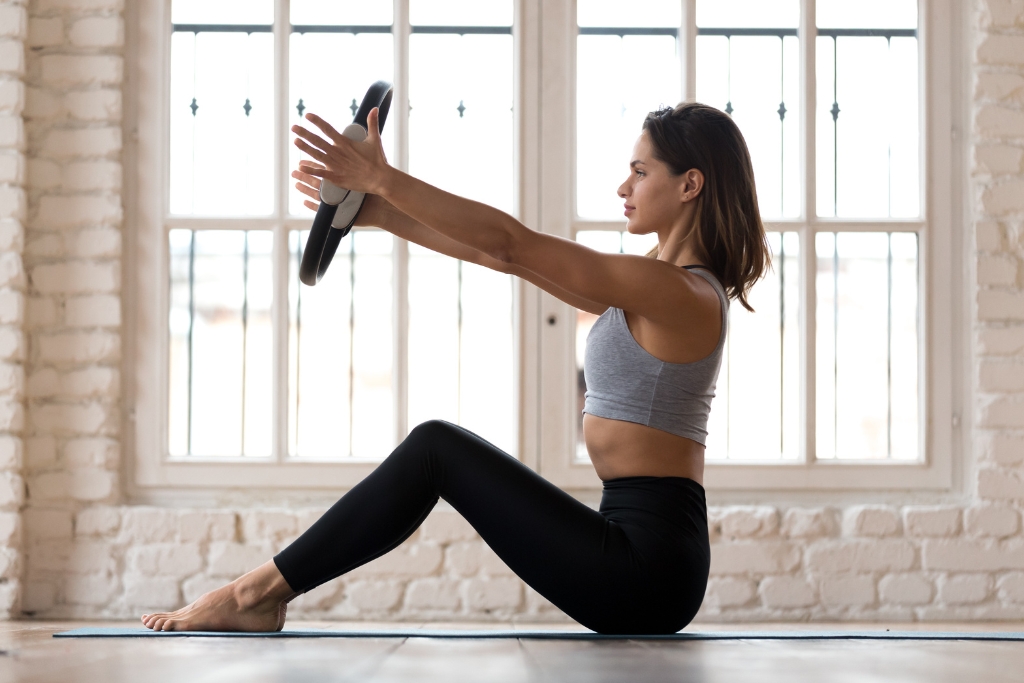
Core Pilates workout
You don’t need fancy gym equipment or endless crunches to build a strong, steady core. Sometimes, the most effective workouts are the ones that ask you to slow down and pay attention. That’s what makes Pilates such a standout: it challenges your body in the quietest way possible.
If you’ve ever taken a Pilates class, you’ve probably felt that slow burn deep in your abs, the kind that feels more precise than punishing. Control is more important than energy for its own sake. Roll-ups and single-leg stretches are examples of careful, thoughtful moves that work on your deepest stabilizing muscles. These are the muscles that support your spine, keep your balance, and keep your posture straight. For days when you want to work out quickly but also feel grounded, this 20-minute Pilates workout for home is perfect. It wakes up your body without making you tired.
Why Pilates Builds More Than Just Abs
When people talk about Pilates, they usually talk about the benefits they can see, like stronger abs, toned arms, and slimmer lines. But the real magic is hidden below the surface. Every controlled action you do makes the muscles that hold you up stronger, protects your back, and makes your balance better.
You can train your core to stay stable in all of your movements, from sitting at your desk to carrying food, by working out your transverse abdominis and pelvic floor. That’s why Pilates is sometimes called “functional fitness”: it helps your body move in the ways it naturally does in real life.
Over time, this mix of strength and flexibility can help your back pain, posture, and even the way you breathe. It’s holistic fitness at its best—not just working the body, but refining the connection between body and mind.
What You’ll Need and What to Expect
This 20-minute session can be done anywhere you can roll out a yoga mat. You won’t need props like resistance rings or reformers, but a comfortable surface helps. If you want to raise the challenge, you can always add light resistance bands for extra intensity.
The workout includes some of Pilates’ most effective core-focused moves:
- Planks to strengthen your core and upper body.
- Roll-ups for spinal mobility and abdominal control.
- Toe taps to target your lower abs and improve pelvic stability.
- Corkscrews to work your obliques and rotation.
Each exercise should be done slowly, with control and intention. That’s the essence of Pilates, precision over speed. The goal isn’t to leave you gasping for breath, but to help you move better, stand taller, and feel stronger.
The 20-Minute Mindset
Twenty minutes might sound short, but when done consistently, it’s more than enough. Pilates isn’t about punishing your body into submission; it’s about showing up for it every day, even briefly. Short, consistent sessions, often called micro-sessions for desk workers, can help counteract hours of sitting and improve energy levels. Think of it as a movement reset for both your body and your brain.
Experts in resistance training for brain health have found that mindful, body-aware exercise can enhance cognitive focus and reduce stress. So when you take those 20 minutes to move through controlled, intentional motion, you’re not only strengthening your core, you’re sharpening your mind.
The Principles That Make It Work
Every Pilates exercise, whether simple or advanced, follows a set of guiding principles. You don’t need to memorize them; just let them shape the way you move.
- Control: Don’t rush. Every inch matters.
- Precision: Keep movements clean and deliberate.
- Concentration: Focus on how your muscles engage.
- Flow: Move smoothly from one exercise to the next.
- Breath: Use your breathing to power each move.
- Centering: Draw strength from your core, your “powerhouse.”
These ideas are what make Pilates different from other core exercises. You can tune in, move with awareness, and really connect with your body with these exercises. This is good for your mind as well as your muscles.
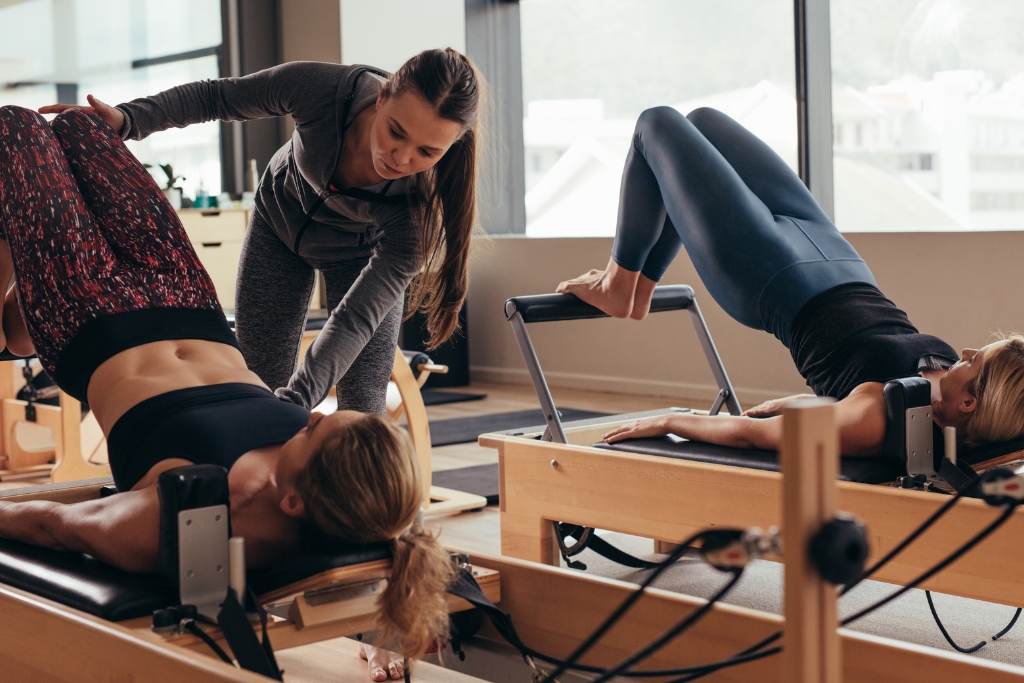
The posture improvement
Beyond the Mat: A Mindful Practice
The most powerful thing about Pilates is that it can turn silence into movement. Not only are you making your body stronger, but you’re also keeping your nerve system in check. Each lesson gives you a short break from too much stress, which helps you focus on yourself while getting stronger.
Pilates is a great exercise to do once a week along with yoga for mental health or gentle healing activities like sauna and cold dip. When you do these things together, they make a balanced schedule that helps you live longer, keep your mind stable, and be strong.
If you’re short on time, a quick 15-minute workout with resistance bands can help you sleep better and feel better. This can be done in addition to Pilates to keep your body active without taking over your schedule.
Getting things to be consistent
You don’t have to be perfect at every pose or know how to do advanced versions. It’s important to show up. Begin with 20 minutes three times a week and let it build up on its own. Your body changes, and not just in terms of strength. The more constant you are, the more it does this.
If you have trouble staying motivated, look into AI posture correction for home yoga tools or virtual teachers that give you visual feedback. But know that nothing can take the place of your own awareness. Pilates works best when you trust your body and give it time to learn.
A Stronger Core, A Calmer You
At its heart, this 20-minute Pilates routine is about more than a killer core; it’s about reclaiming your balance. Every slow movement, every mindful breath, is a reminder that strength doesn’t have to be loud or exhausting.
With regular practice, you’ll notice subtle shifts: better posture, lighter steps, clearer focus. Because when your core is strong, everything else from your workouts to your well-being starts to align. So grab your mat, take a deep breath, and give yourself those 20 minutes. You’ll be surprised how much power can come from moving with purpose.