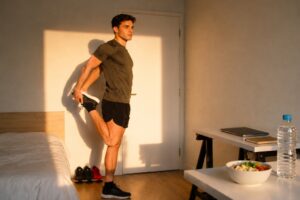
A Quick Standing Core Routine for Busy Schedules
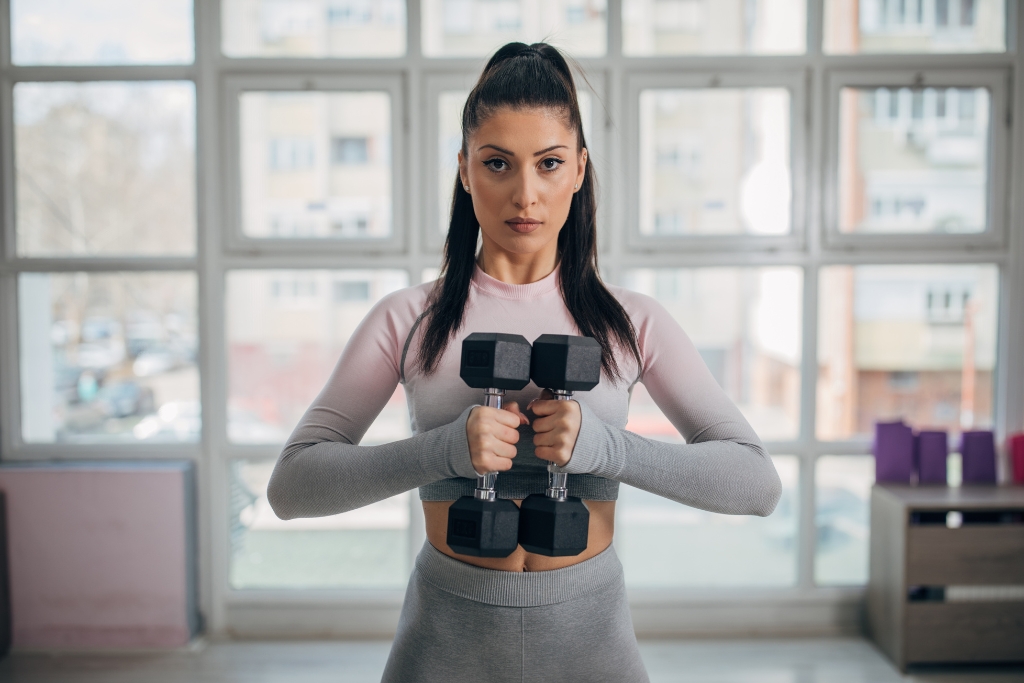
Core strength exercises
If the thought of dropping onto the floor for sit-ups or crunches makes you hesitate, you’re not alone. A lot of people reach a point where kneeling, lying down, or getting back up just isn’t comfortable anymore. That doesn’t mean you have to give up on building core strength. You can absolutely challenge your midsection while staying on your feet. In fact, standing workouts often feel more natural and are easier to fit into your everyday routine.
This simple five-move standing core workout focuses on strength you can actually use, the kind that helps you walk, twist, lift, and stay steady. It also fits well with anyone exploring Holistic Fitness, Functional Fitness, Hybrid Workouts, or quick micro-sessions for desk workers who want real benefits without dragging a mat around.
Why Standing Core Workouts Work So Well
Your core is involved in almost everything you do. It supports your spine, stabilizes your posture, and keeps your body balanced when you bend or rotate. When you stay standing for your workout, you naturally call on more muscles at once. That means better coordination, better balance, and training that feels more connected to real life.
Standing routines also tend to suit people who want a calmer, more supportive approach, something that overlaps with Trauma-Informed Yoga, Yoga for Mental Health, or Adaptive yoga for seniors. You build strength while staying grounded and upright.
Move 1: Incline Plank or Incline Side Plank
Start with something simple: place your hands on a stable counter, table, or chair and step your feet back until you form a straight line from your shoulders to your heels. Hold that position, keeping your core tight.
For a side variation, rotate your body, stack your feet, and press one hand into the elevated surface.
It’s a gentler entry point than a traditional plank but still great for waking up your deep stabilizing muscles and supporting overall Strength Training.
Move 2: Pallof Press (Band or Cable)
The Pallof press teaches your body to control rotation, a key skill for everyday movement.
Stand sideways to your anchor point, hold the band at your chest, and then extend your arms straight out while resisting the pull trying to turn your torso.
This one quietly works everything between your hips and rib cage. It’s especially helpful if you’re training for sports or building a routine around Hybrid Workouts, Resistance training for brain health, or any program that values stability over speed.
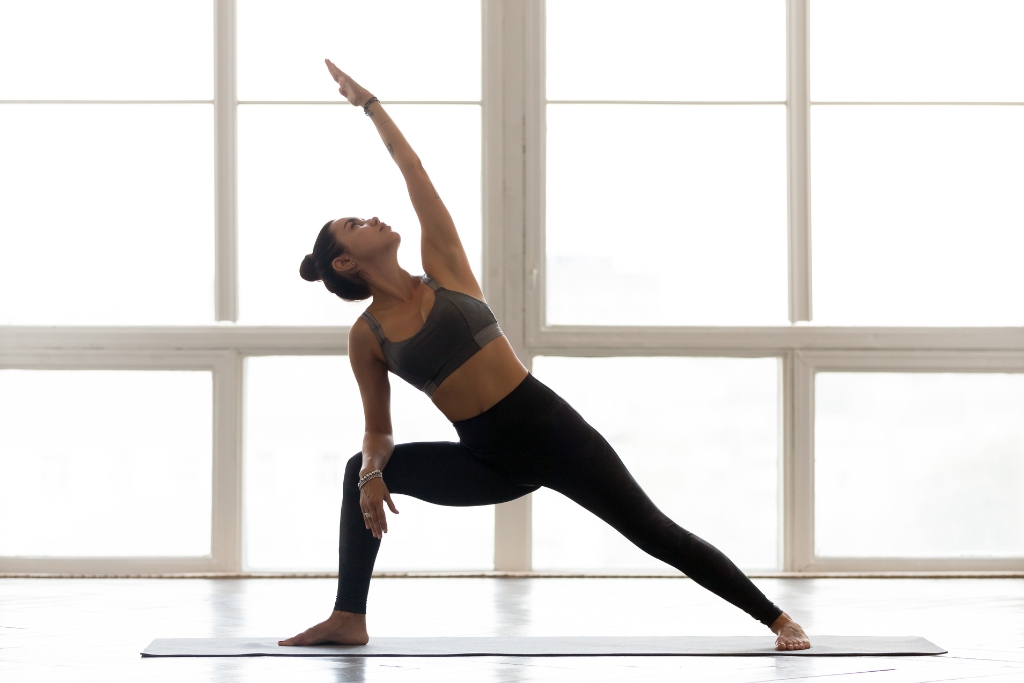
Holistic fitness routine
Move 3: Standing Rotation (Band or Cable)
For this move, keep your knees slightly bent, hold the band with mostly straight arms, and rotate across your body. Your obliques take the lead here.
This is the kind of controlled twisting that supports activities like golf, tennis, pickleball, anything that requires power through the midsection.
It also pairs nicely with routines meant to improve posture, reduce stiffness, or support AI posture correction for home yoga.
Move 4: Dumbbell Chop
A dumbbell chop feels very natural once you try it. Start with the weight near one hip, then lift it diagonally toward the opposite shoulder. Your hips, shoulders, and core all work together.
Because the movement follows a diagonal path, it helps build practical strength — the kind you need when lifting bags, reaching overhead, or moving quickly from one direction to another. It aligns well with Functional Fitness and supports smooth, controlled rotation.
Move 5: Farmer’s Carry
The farmer’s carry may be the simplest exercise in the routine, but it quietly does a lot. Pick up one or two weights, stand tall, and walk. That’s it. Your grip strengthens, your core fires up, and your posture improves as you try to stay steady with the load.
If you’re working on balance or want something you can do on a Recovery day, this is perfect. It’s also a great complement to routines that include sauna and cold plunge for recovery, because it doesn’t fatigue your joints.
Putting the Routine Together
Here’s an easy way to build your session:
- Incline plank or incline side plank: 20–30 seconds
- Pallof press: 10–12 reps per side
- Standing rotation: 10–12 reps per side
- Dumbbell chop: 10–12 reps per side
- Farmer’s carry: 30–45 seconds
Run the circuit two or three times, depending on your comfort level.
A Stronger Core, No Floor Required
A standing routine makes core training feel more accessible, especially if you want something supportive rather than strenuous. These five moves fit into almost any schedule, and they help you stay strong, stable, and better prepared for everyday life. Whether you’re aiming for Quick 15-minute resistance training for better sleep and mood or simply want a no-mat workout you can commit to, this approach gives you a solid foundation to build from.