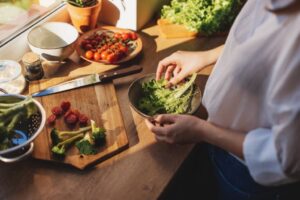
Weekly Wellness Strategies for Strong, Healthy Bones

Lifestyle for strong bones
Your bones may look solid and unchanging, but they are always making new ones. This process of rebuilding all the time keeps your body stable, mobile, and supported. After you reach your peak bone mass at about 30, the focus changes from building bone to keeping it. That’s why the things you do every week have a big effect on how strong your bones stay as you get older.
It’s not just about stopping breaks that make bones stronger. They help with balance, posture, mobility, and staying independent for a long time. Osteoporosis affects more women than men, but everyone can benefit from routines that keep bones strong. Your weekly habits, like how much you move, what you eat, how much sleep you get, and the choices you make every day, have a bigger effect on how strong your bones are than you might think.
Move with purpose
One of the best ways to keep your bones strong is to stay active. Weight-bearing and muscle-strengthening exercises tell your bones to stay strong and dense. Even small things, like carrying groceries or taking the stairs, help with this process.
If high-impact exercise isn’t for you, brisk walking, marching in place, or climbing stairs are all good options. Resistance training two or more times a week helps make your bones and muscles stronger. Your body responds to the resistance by strengthening bone tissue, which supports the bones underneath as you build muscle.
A simple weekly goal is to do something that safely works your muscles. That could mean taking a weight training class, using resistance bands, or lifting a little more weight than you usually do.
Make a Plate Full of Nutrients
Calcium is important for healthy bones, but it’s not the only nutrient that is. To keep your bones strong, your body also needs protein, magnesium, vitamin K, and other micronutrients.
Protein helps your body make bone cells and build the muscle that keeps your frame stable. Vitamin K helps proteins that are involved in bone turnover work. Isoflavones in soy-based foods help slow down the natural loss of bone after menopause. Calcium is very important, but it needs vitamin D to be absorbed correctly.
Try to eat whole foods first by adding dairy or fortified plant milks, tofu, leafy greens, canned salmon with bones, and other sources of protein to your meals. Supplements can help fill in the gaps, but they work best when you eat foods that are high in nutrients.
Add Prunes to Your Week
You might be surprised to learn that prunes have always been linked to keeping bones strong. Their combination of polyphenols, boron, and other important minerals seems to help bones grow and slow down their breakdown.
You can mix them into smoothies, chop them up and put them in salads, or just eat a few as a snack. Their nutrient profile makes them an easy addition that helps keep bones healthy.
Be careful about how much sodium you eat
If you eat too much sodium, your body may lose calcium, which can make your bones weaker over time. A lot of people think of sodium only in terms of blood pressure, but it also has an effect on the balance of minerals in the body.
Cutting back on ultra-processed foods and using herbs, citrus, or vinegar to season your food instead of extra salt can make a big difference. Making small changes to how you season your food can help protect your bones and heart.
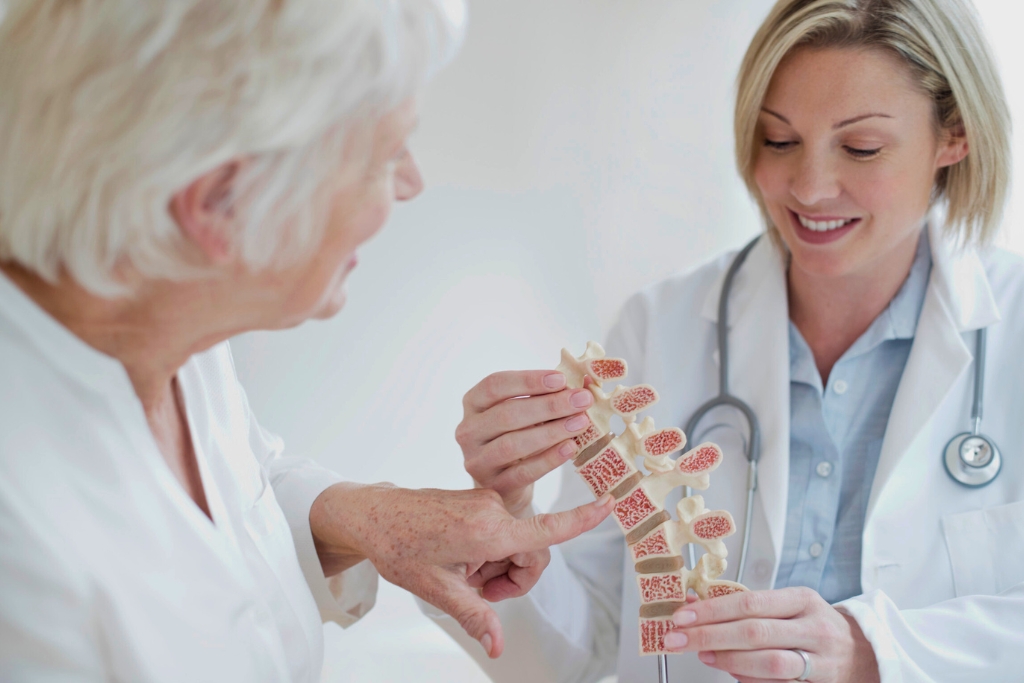
Osteoporosis prevention
Don’t forget about vitamin D
Vitamin D is important for your body to absorb calcium, but a lot of people don’t get enough of it, especially in the winter when there isn’t much sun. Sunscreen lowers vitamin D production even when you’re outside, making it harder to get enough vitamin D from the sun alone.
Include foods like salmon, fortified dairy and plant milks, breakfast cereals, and mushrooms that have been exposed to UV light. Some people may need a small supplement, but for most people, a combination of foods, sunlight, and supplements works best.
Make Rest and Recovery a Priority
Your body fixes itself while you sleep, even your bones. Hormones that help control bone turnover follow a daily pattern, and getting enough sleep helps that pattern. Bone density also drops as estrogen levels drop naturally in middle age, so recovery is even more important.
These natural changes can’t be completely stopped by diet and lifestyle, but they can slow down bone loss. Staying active, not smoking, managing stress, and eating a balanced diet full of nutrients that support bone health are all things that help keep things stable over time.
Set up a weekly check-in for bone health
Building strong bones takes time, so it’s better to be consistent than perfect. Taking a few minutes at the end of each week to think about the habits that are good for your bones can help you remember them.
Think about this:
- Did you move your body a lot?
- Did you eat foods that are high in calcium and vitamin D?
- Did you get enough sleep and sun?
These little thoughts help you stay focused on your bone health without feeling like too much. Everyone benefits from taking care of their bones early and keeping up these habits for the rest of their lives.
Conclusion
One big change won’t make your bones stronger. Instead, you need to stick to good habits week after week. You are supporting the structure that carries you through life when you move with purpose, eat with purpose, and give your body time to heal. Even small, easy choices can help you be strong for a long time. Your bones react to what you do every day, and the work you do now makes your future stronger.