How to Create a Calorie Deficit Without Feeling Starved
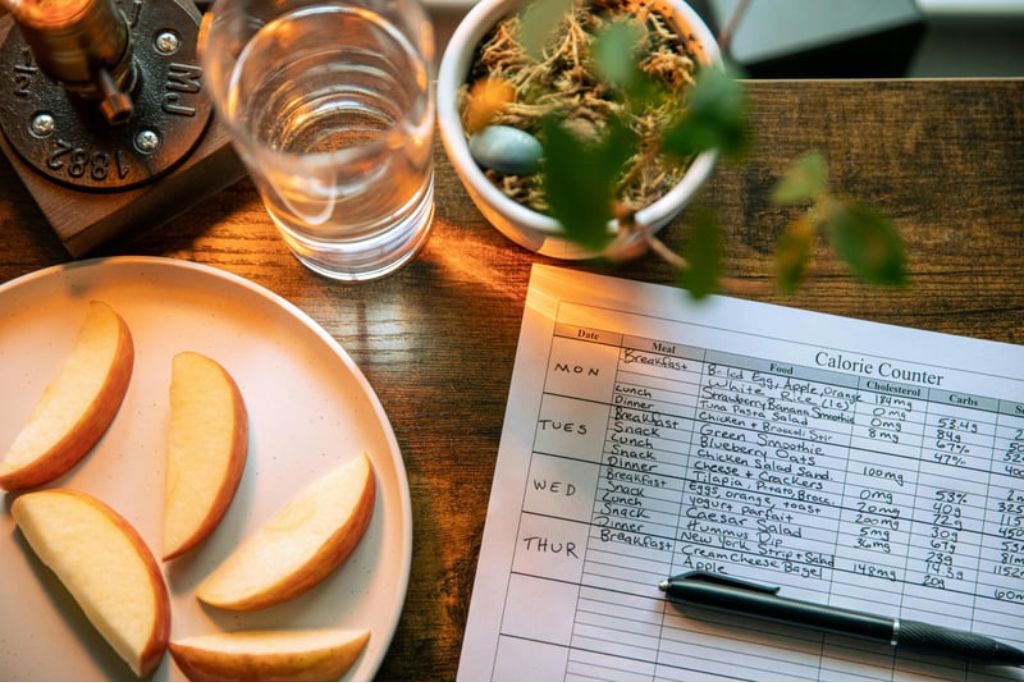
Calorie Diet
There’s a particular frustration people rarely admit out loud: the desire to lose weight without feeling like their entire day revolves around hunger. Anyone can create a calorie deficit by cutting meals in half or eating salads until motivation collapses, but the real challenge is creating a deficit your body can actually live with. Hunger is not a sign of discipline; it’s a sign that the strategy isn’t sustainable. And anything unsustainable doesn’t stay in your life long enough to produce meaningful change.
Most people try to control their calories like they are running a race. Rapid changes, tight limits, and a lot of excitement. But the body works in its own way. When it feels deprived, it protects itself by making cravings stronger, energy drops, focus goes away, and willpower, no matter how strong, stops working as well as it used to. A better way to do things looks different. It takes into account the body, the mind, and the normal flow of life. But it also recognizes a simple fact: people can eat better without feeling like they’re going against their own genes.
A calorie deficit that works long-term doesn’t rely on suffering. It relies on strategy.
Start With Foods That Keep You Satisfied Longer
It would be easy to lose weight if staying full only meant eating the right amount of food. The real factor is satisfaction, or how long food makes you feel full before you start to feel hungry again. Naturally, foods that are high in fiber, water, and protein tend to do that.
Consider the difference between a pastry and a bowl of oatmeal with berries. Both may have similar calories on paper, but the way the body responds to them is entirely different. The oatmeal delivers sustained fullness, stable energy, and slower digestion. The pastry offers a brief spike followed by an all-too-familiar crash. Satiety is the silent force that determines whether you stay in control or feel controlled by the next craving.
Great satiety-driven choices include:
- Beans, lentils, and chickpeas
- Eggs and Greek yogurt
- Vegetables with high water content
- Whole grains like quinoa or barley
- Lean proteins
- Fruits such as apples, oranges, and berries
When meals prioritize fullness, a calorie deficit becomes far easier to maintain without the near-constant sense of searching for the next snack.
Volume Eating: The Strategy Most People Overlook
A simple but strong rule of thumb is volume eating: foods with fewer calories per bite let you eat more without going over your calorie limit. It’s the reason why a big serving of roasted veggies with the same number of calories makes you feel full longer than a small one.
This method works because it fits with a basic fact about people: they like to eat. They want to be able to touch and feel a meal. Getting your plate down to the size of a garnish might officially leave you short, but it also makes you angry at the process.
Volume eating allows for:
- Bigger portions
- Slower meals
- Sustained satisfaction
A salad that includes lean protein, grains, and healthy fats doesn’t feel like “diet food.” It feels like nourishment – substantial, colorful, and genuinely satisfying.
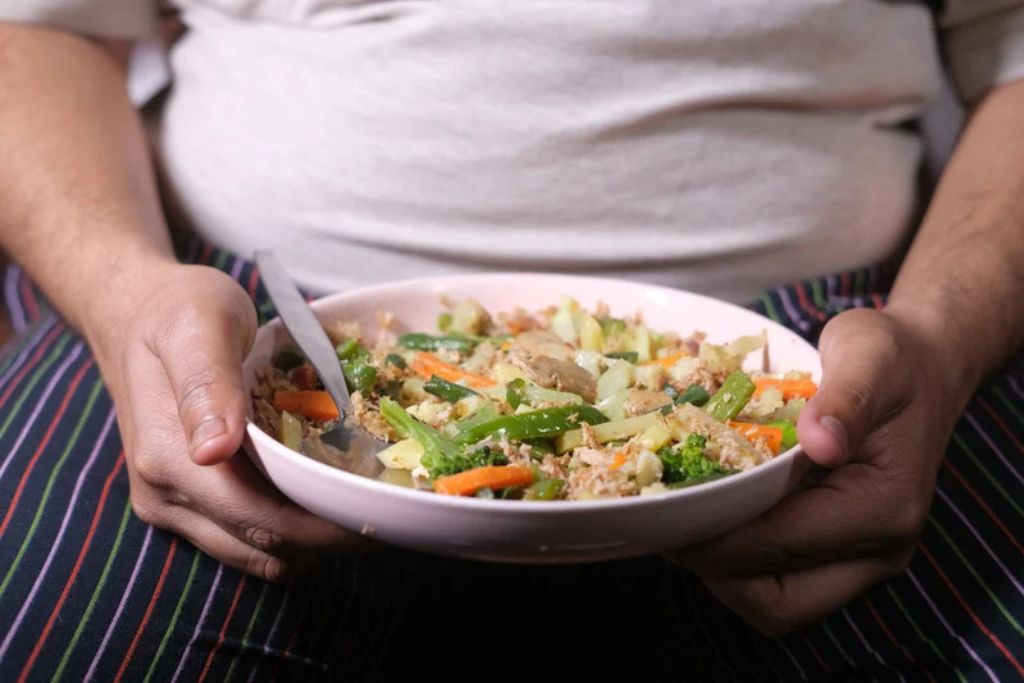
Calorie Count
Protein: The Anchor That Stabilizes the Entire Day
Protein is one of the few things that can control your hunger. It speeds up your metabolism, keeps your muscles while you lose fat, and makes your cravings less intense. The most important thing about it is that it makes you feel full for hours.
Each meal should have a reliable protein source, not as an afterthought but as a foundation. Whether it’s tofu, eggs, chicken, legumes, fish, or dairy, the presence of protein shapes the trajectory of your appetite in a way few other nutrients can.
Manage Hunger Before It Starts
Many times, people wait until they are hungry to do something about it. When the hunger is strong, making choices is easy to do without thinking. The key is to plan meals and snacks ahead of time so that hunger doesn’t get loud.
This might look like:
- A mid-morning snack with protein and fiber
- Lunch designed to sustain energy for several hours
- A planned afternoon snack to prevent evening overeating
These small interventions smooth out the day and maintain control, not through restriction but through anticipation.
Be Mindful of Liquid Calories and Highly Palatable Foods
Liquid calories don’t make you feel full for long. Drinks with a lot of sugar, like creamy coffees, bottled drinks, and some smoothies, make you eat more calories than you burn. Getting rid of or cutting back on these often causes a calorie deficit without changing any meals.
The same caution applies to highly palatable foods engineered for quick eating – foods that encourage large bites, fast chewing, and minimal fullness. The more slowly you digest a food, the more effectively it supports deficit-based goals.
A Calorie Deficit Should Feel Manageable, Not Miserable
Strategies that help both the body and the mind are best for losing fat in the long term. Being hungry doesn’t show that you are disciplined or committed; it shows that the plan needs to be changed. A calorie deficit that is made by planning meals, making smart food choices, and knowing when you are full will last. It’s not just a matter of effort. It works toward a goal while taking into account the body’s needs.
When you stop trying to out-hunger your body and start working with it, the deficit becomes less of a struggle and more of a system.