The Hidden Risks Behind Mass Sperm Donation

Donor anonymity issues
If you picture sperm donation as a carefully capped, tightly monitored medical process, the reality may surprise you. In recent years, investigations have uncovered cases where a single sperm donor has gone on to biologically father close to 200 children, spread across multiple countries. In one case, those children unknowingly inherited a genetic mutation that increased their cancer risk.
Stories like this have pushed an uncomfortable question into public view: how did the system allow one person’s genetic material to travel so far, be used so often, and remain largely untracked?
Why So Few Men Become Sperm Donors
Despite how common sperm donation sounds, very few men are actually accepted as donors. Most volunteers never make it past screening. Clinics test sperm count, movement, shape, and whether samples survive freezing and storage. Even men who are otherwise fertile may fail these checks.
On top of that, donors must pass strict medical and genetic screening. In countries like the UK, they need to be within a specific age range, free from infectious diseases, and not carry genes linked to inherited conditions. The result is a very small pool of approved donors. Because demand is high and supply is limited, donor sperm becomes a valuable medical resource. From a preventive health perspective, this scarcity sets the stage for heavy reliance on a small number of individuals.
How One Donor Can Father So Many Children
Biology plays a major role here. Each donation contains millions of sperm cells, and it only takes one to fertilize an egg. Donors may provide samples once or twice a week for months. Those samples are divided, frozen, and stored for future use.
Clinics often prioritize donors whose sperm performs well and survives storage reliably. Over time, that can mean the same donor is used repeatedly to meet growing demand. When that donor’s sperm is shipped internationally, the numbers can escalate quickly.
What makes this risky is that problems may not surface until years later, especially if a genetic issue is rare or difficult to detect during initial screening.
Why Some Donors Are Chosen More Often Than Others
When you choose donor sperm, you are rarely choosing blindly. Many sperm banks allow recipients to browse profiles that include physical traits, education, interests, and sometimes photos or voice recordings.
Naturally, some profiles are more popular than others. Tall donors, certain ethnic backgrounds, or specific personality traits tend to be selected more frequently. Over time, this creates a concentration effect where a handful of donors account for a disproportionate number of births. From an integrative health lens, this focus on surface traits can overshadow long-term considerations like genetic diversity and population-level risk.
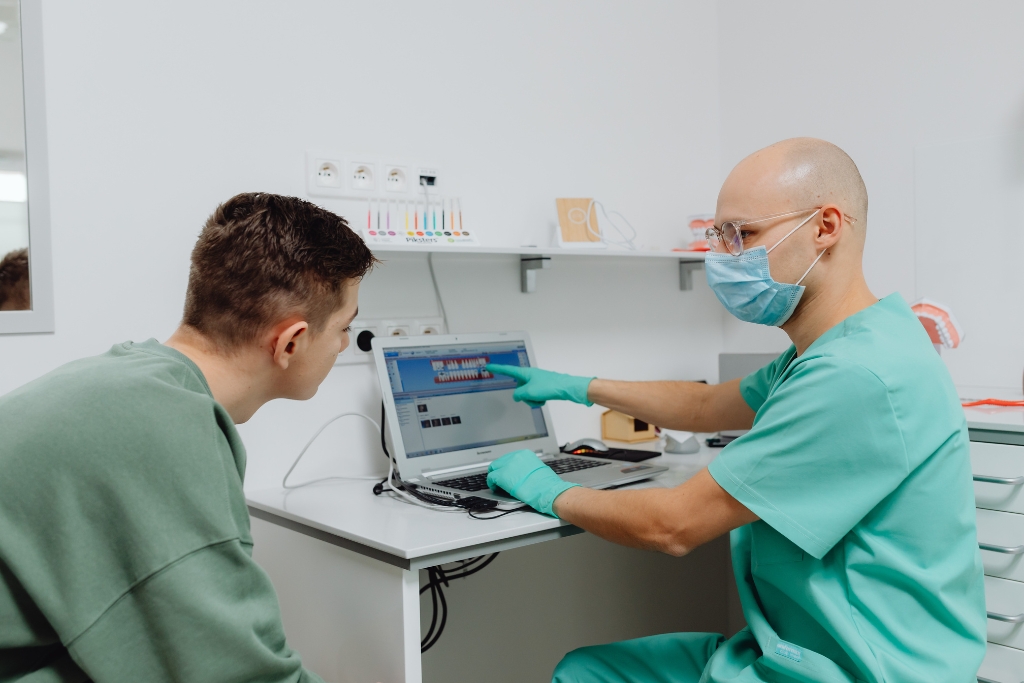
Risks of Mass Sperm Donation
What Happens When Sperm Crosses Borders
One of the biggest gaps in the current system is regulation across countries. Each nation sets its own limits on donor use. Some cap the number of families, others the number of children. But there is no shared international register.
This means sperm from one donor can legally be used in multiple countries without any single authority seeing the full picture. Clinics may be following local laws while still contributing to a global problem. This lack of coordination resembles other healthcare challenges seen during NHS winter pressures, where fragmented systems struggle to protect patients effectively.
The Human Impact on Children and Donors
For donor-conceived children, discovering they are one of hundreds of half-siblings can be deeply unsettling. Identity, privacy, and emotional wellbeing all come into play — especially now that DNA ancestry tests and social media make biological connections easier to uncover.
Donors themselves often have no idea how widely their sperm has been distributed. Many donate believing they will help a limited number of families, not create a vast genetic network.
When medical risks are involved, the consequences become even more serious. One undetected mutation can affect dozens, or hundreds, of lives.
Growing Calls for Oversight and Limits
In response to recent revelations, policymakers and medical ethicists have begun calling for tighter controls. Some have suggested a Europe-wide donor register. Others argue for stricter caps on how many families one donor can help.
There is also concern that over-regulation could drive people toward private, unregulated arrangements, creating even greater health risks. This tension mirrors debates around wearable diagnostics and predictive health tools, where innovation often outpaces safeguards.
A System at a Crossroads
Sperm donation sits at a complicated intersection of medicine, ethics, and business. It offers real hope to people who want children, but it also operates within a global market that rewards efficiency and scale.
As healthcare increasingly focuses on longevity, responsible data use, and transparency, reproductive medicine faces similar expectations. Tracking outcomes, sharing information across borders, and ensuring informed consent are no longer optional extras.
Conclusion
At its heart, sperm donation is about helping people build families. That purpose has not changed. What has changed is the scale at which it operates.
When one donor can unknowingly affect hundreds of lives, the system needs stronger guardrails. Not to restrict choice, but to protect health, dignity, and trust for donors, families, and the children who grow up living with the consequences. Getting that balance right may be difficult, but ignoring it is no longer an option.