How Fasted Walking Fits Into a Busy Holiday Routine
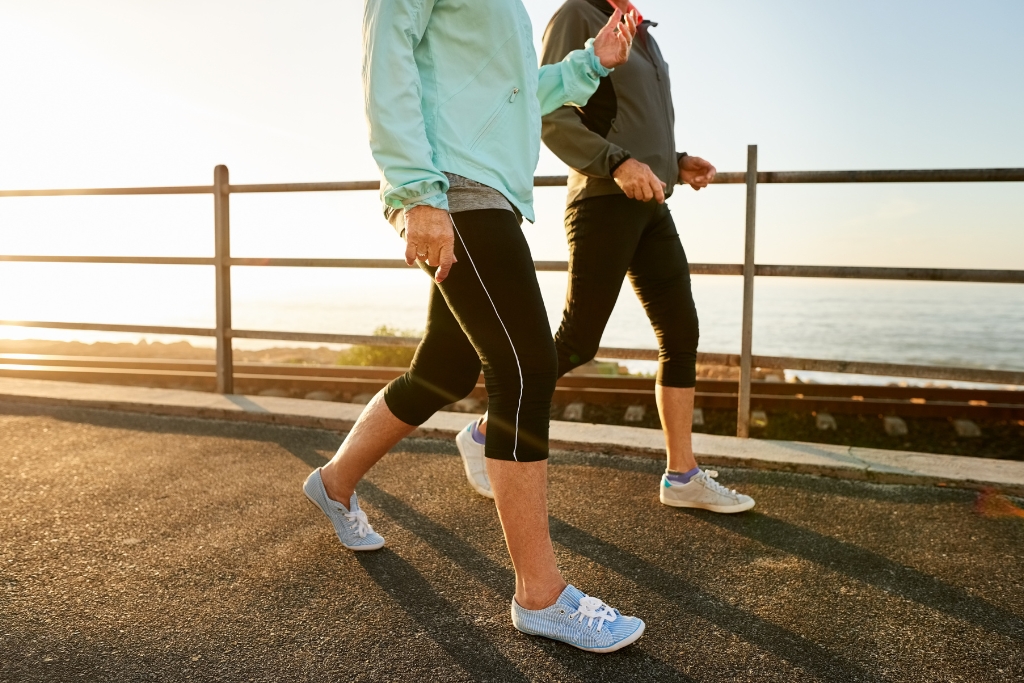
Fasted Morning Walks
The holiday season has a way of disrupting even the most consistent routines. Meals run later, portions grow larger, schedules tighten, and structured workouts often fall to the bottom of the list. During this stretch, many people look for something realistic—an approach that supports movement and balance without adding pressure. Fasted walking fits neatly into that space.
At its core, fasted walking is uncomplicated. You walk before eating, usually in the morning, when your body hasn’t yet taken in calories for the day. It doesn’t demand equipment, gym access, or long workout blocks. Instead, it works with your body’s natural rhythms, making it easier to stay consistent during a season when consistency is often the hardest part.
What Fasted Walking Really Means
Fasted walking simply refers to walking while your body is still in a fasting state, typically after waking up and before consuming anything that raises blood sugar. That includes skipping coffee with milk or sugar until after the walk. Overnight, your insulin levels naturally drop, which means your body has less immediate fuel available from food.
When you walk in this state, your body is more likely to rely on stored energy rather than recently consumed calories. Over time, this supports metabolic flexibility—the ability to switch smoothly between using carbohydrates and fat for fuel. Rather than stressing your system, fasted walking encourages gentle movement that aligns with how your body already functions in the morning.
This is why fasted walking often feels calmer than intense workouts. It’s low-impact, steady, and easier on the nervous system—making it ideal when holiday stress is already running high.
How It Supports Weight Management During the Holidays
Holiday weight fluctuations aren’t just about food. Sleep changes, stress levels rise, and movement often decreases. Fast walking addresses several of these factors at once without requiring drastic behavior changes.
Walking first thing in the morning helps you burn energy before the day fills up. It also reduces reliance on willpower later, when holiday meals and gatherings are harder to navigate. Many people notice that even a short walk improves how they regulate appetite and energy throughout the day.
Another benefit is blood sugar control. Walking—whether fasted or after meals—helps reduce sharp glucose spikes, which are common during the holidays. Lower spikes mean fewer energy crashes and less tendency to overeat later.
Because fasted walking is a form of gentle movement, it pairs well with other low-stress habits like mobility work, light stretching, or yoga for stress relief during the holiday season.
Benefits Beyond the Scale
While weight management is often the main reason people try fasted walking, the benefits go further than that. Regular morning walks can support overall mobility, improve mood, and help you feel more grounded during busy weeks.
Some key benefits include:
- Improved metabolic flexibility
- Reduced post-meal energy crashes
- Support for daily mobility and joint health
- Nervous system regulation during stressful periods
- Better sleep patterns when combined with morning light exposure
Getting outside adds another layer of benefit. Natural morning light helps regulate your internal clock, which can improve sleep quality and energy levels, especially useful during late-night holiday gatherings. Even brief outdoor exposure can support circadian rhythm balance, something many people overlook during winter months.

Fasted Walking in Winter
Making Fasted Walking Work for Your Schedule
You don’t need to walk for an hour to see results. Starting with 20 minutes is enough, and building toward 40 minutes a few times a week is often more than sufficient. After about 15 to 20 minutes, your body begins tapping into stored energy more efficiently.
On days when mornings are rushed, a short walk still counts. Even ten minutes makes a difference. Flexibility is key during the holidays, which is why fasted walking fits well into a holiday workout schedule (quick) format.
You can also adapt the approach:
- Walk indoors on a treadmill or walking pad when weather is rough
- Add light mobility work before or after walking
- Pair walks with breath-focused movement or a quick 15-minute gentle yoga routine for holiday anxiety
- Treat it as a low-pressure post-party workout the morning after celebrations
For those already comfortable with walking, adding light resistance—such as a weighted vest—can gently increase intensity without turning it into a high-stress workout.
Blending Fasted Walking With Other Recovery Habits
Fasted walking works best when it’s part of a broader, supportive routine. Combining it with recovery-focused habits like stretching, yoga, or even occasional cold exposure can help you feel more resilient during the season.
Some people also integrate hybrid fitness routines, balancing walking with short strength sessions or mobility days. Fitness tech like step trackers or heart-rate monitors can help you stay consistent without obsessing over numbers.
A Sustainable Holiday Reset
Fast walking isn’t about pushing harder; it’s about moving smarter. It gives you a way to stay connected to your body when routines feel off and expectations are high. Because it’s simple, repeatable, and low-impact, it supports consistency rather than burnout.
During a season defined by indulgence and disruption, fasted walking offers something rare: structure without restriction. When paired with mobility, recovery, and mindful movement, it becomes a tool not just for managing weight but for protecting your energy, mood, and overall well-being well beyond the holidays.