Hair Getting Greasy by Midday? Here’s What to Do
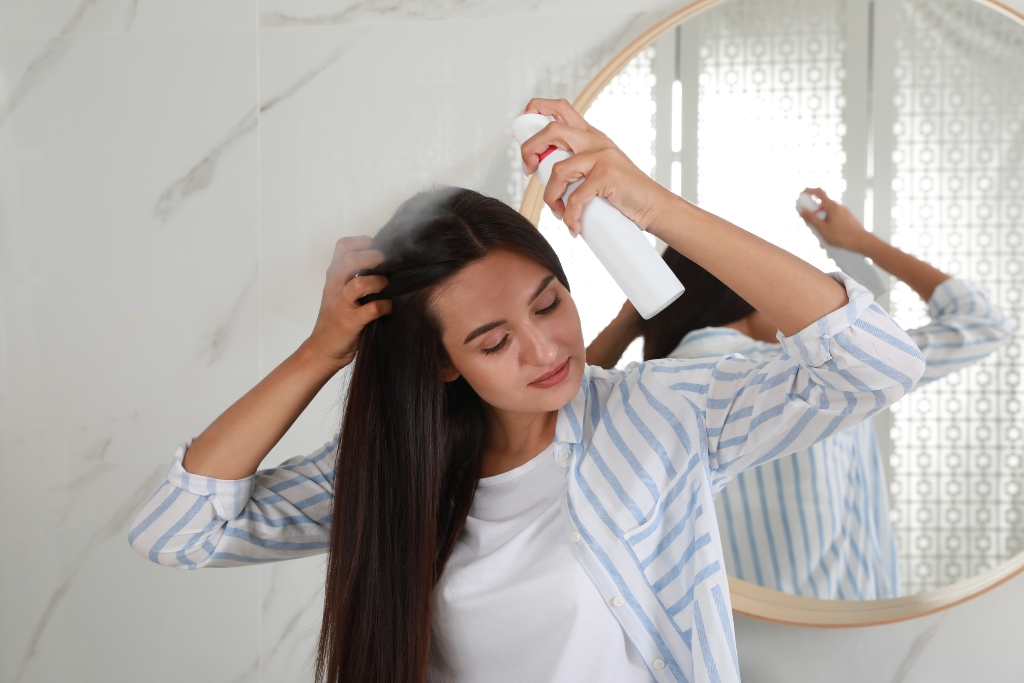
greasy hair causes
Greasy hair can feel frustrating, especially when it seems to undo your grooming efforts within hours. One moment your hair looks clean and styled, and by midday it feels heavy, flat, and oily at the roots. Whether the feeling bothers you aesthetically or starts affecting your skin, understanding why it happens is the first step toward fixing it.
The truth is, oily hair is rarely about laziness or poor hygiene. It is usually the result of how your scalp functions, the products you use, and the habits you repeat every day—often without realizing it.
What Causes Hair to Get Greasy So Quickly?
Your scalp naturally produces oil, known as sebum, to protect the skin and keep hair flexible. Problems arise when oil production goes into overdrive or spreads unevenly across your hair strands.
Several factors tend to play a role.
Genetics matter more than most people realize. If oily hair runs in your family, your sebaceous glands may simply be more active. Hormonal changes can also influence oil levels, which explains why grease often increases during puberty, periods of high stress, or hormonal treatments. Lifestyle and environment contribute as well. Frequent workouts, humid climates, or working in hot environments can make your scalp oilier faster. Sweat itself is not oily, but it helps spread sebum down the hair shaft.
Touching your hair too often is another underestimated culprit. Every time you run your fingers through your hair, you transfer oils from your hands while also stimulating the scalp to produce more oil. Product overload is common, especially with styling routines that rely on oils, pomades, or heavy creams. While these can help achieve sleek looks or glass skin–inspired grooming aesthetics, they can also weigh hair down quickly when overused.
Can Washing Too Much Make Hair Greasier?
Surprisingly, yes. Over-washing strips your scalp of its natural oils. In response, your body may produce even more sebum to compensate. This creates a cycle where you wash more often, yet your hair gets greasy faster.
Finding the right balance is essential, particularly during winter when the skin barrier—including the scalp—can become more reactive. Just as ceramides for dry winter skin help restore balance, your scalp also benefits from gentler routines that protect rather than strip.
Hormones, Stress, and Greasy Hair
Hormones such as testosterone and cortisol directly influence oil production. When stress levels rise, oil output can increase, leading to both greasy hair and skin issues along the hairline or forehead.
This connection explains why greasy hair often shows up during high-pressure periods, much like stress-related breakouts. Mood-led skincare principles apply here too—your scalp responds to internal stress just as much as your face does.
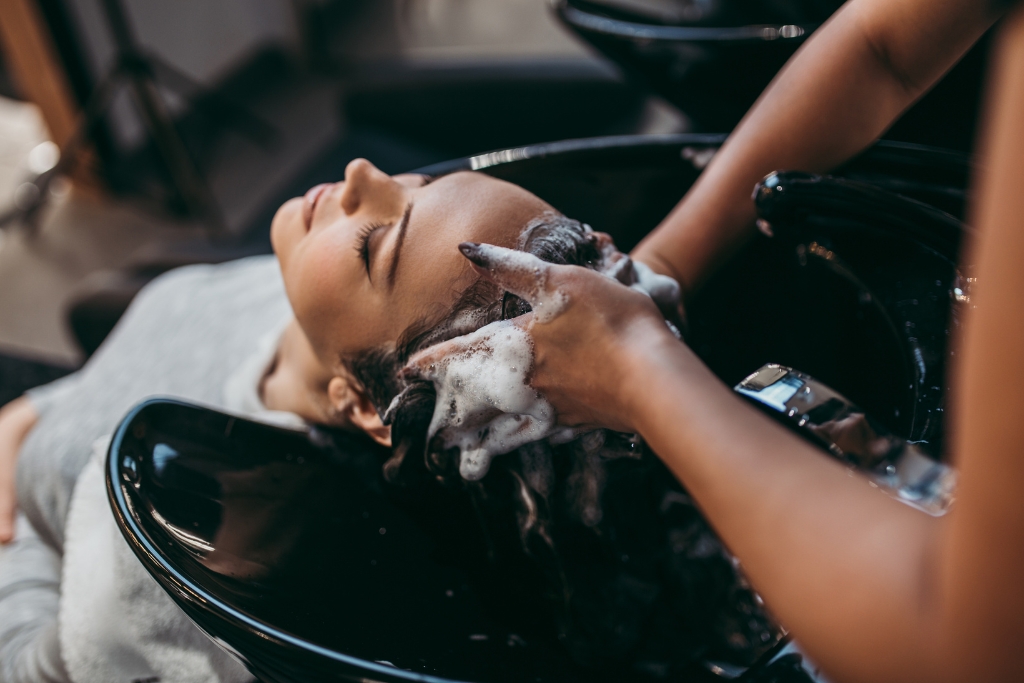
hair washing frequency
How to Fix Greasy Hair Without Overcomplicating Your Routine
Once you identify the main triggers, managing oily hair becomes far more straightforward. Start with your washing schedule. Some people benefit from daily washing, while others see improvement by washing every other day. There is no universal rule—it takes a bit of trial and adjustment.
Use lightweight, balancing products. Avoid shampoos and conditioners that are overly moisturizing unless your hair is genuinely dry. Look for formulas designed for daily use or oil control, especially during winter when product buildup can worsen.
Dial back styling products. If you enjoy grooming or festive makeup-inspired looks, focus on using less product rather than skipping it entirely. Matte finishes and water-based formulas tend to cause less buildup. Be mindful of conditioner placement. Apply it only to mid-lengths and ends, not directly onto the scalp.
Small Changes That Make a Big Difference
If greasy hair keeps coming back, these adjustments can help:
- Wash brushes and combs regularly to remove oil buildup
- Avoid touching or adjusting your hair throughout the day
- Switch pillowcases frequently, especially if you have oily skin
- Keep hats and beanies clean during colder months
- These habits support both hair hygiene and overall grooming consistency.
When to Consider Professional Advice
If greasy hair is persistent, severe, or accompanied by scalp irritation or acne, it may be worth speaking with a dermatologist. Underlying conditions or hormonal imbalances can sometimes be involved, and professional guidance helps rule out deeper issues.
Grooming as Self-Care
Managing greasy hair is not about perfection. Some people even embrace natural oil as part of their style. The key is knowing what works for you and maintaining balance.
Just as sustainable beauty encourages mindful product use and refillable beauty products for 2026 focus on long-term skin health, grooming works best when it is intentional rather than excessive.
Conclusion
It’s normal to have greasy hair, it’s easy to fix, and it almost never means you’re doing something wrong. You can get things back under control quickly without washing or styling your hair too much if you know what’s going on with your skin, change your routine, and make your product use easier.
When cleaning helps you feel good and confident instead of stressed, it turns into a daily self-care routine instead of another issue that needs to be fixed.