How Brussels Sprouts Lost Their Bitter Reputation
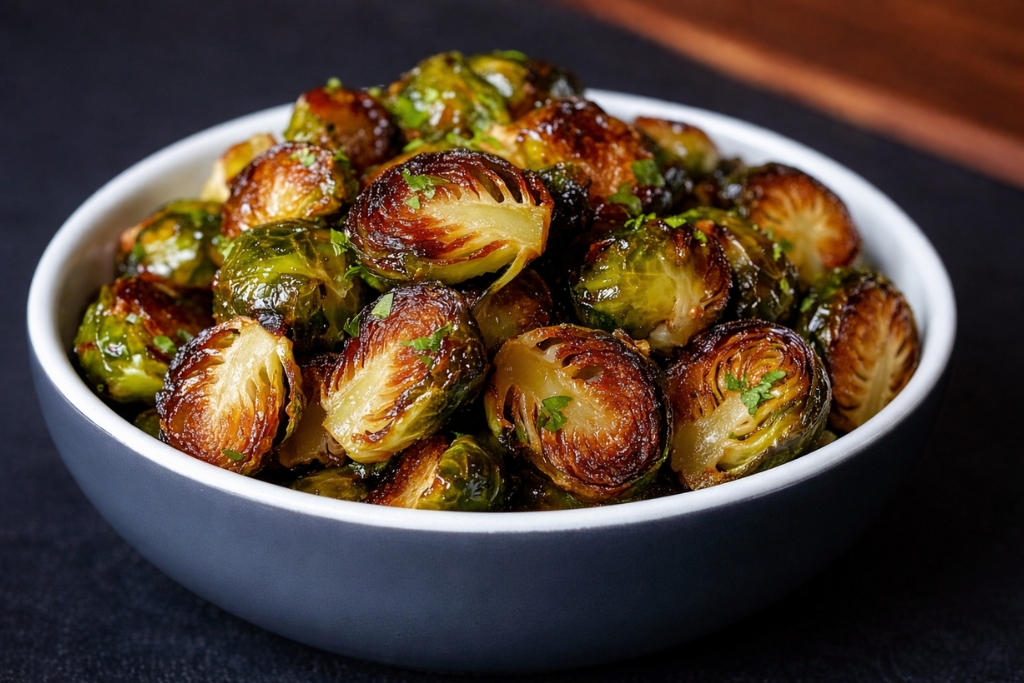
Brussels sprouts nutrition
For many people, Brussels sprouts carry a long memory. If you grew up pushing them around your plate or holding your nose at the dinner table, that reaction probably stuck with you. Bitter, mushy, and overcooked sprouts earned their reputation decades ago. But here’s the truth: the Brussels sprouts you remember are not the same ones you find today.
What you’re reacting to may be an outdated version of the vegetable—one that has quietly changed through years of farming science, selective breeding, and better understanding of flavor. If you still avoid them, it might be time to revisit that judgment.
Why Brussels Sprouts Were Bitter in the First Place
Humans evolved to notice bitterness for survival reasons. Many toxic plants taste bitter, so your brain is wired to respond cautiously. Brussels sprouts naturally contain compounds that trigger this response, and some people are genetically more sensitive to them.
If you carry a specific taste receptor gene, bitterness registers more strongly for you than it does for others. That doesn’t mean sprouts were “bad.” It means your biology was doing its job—just a little too well when paired with older varieties and poor cooking methods.
Modern Sprouts Are Not What You Grew Up With
Over the last few decades, Brussels sprouts have gone through a quiet transformation. Farmers and plant breeders have been actively reducing bitterness while keeping the vegetable’s nutritional value intact. This isn’t genetic modification in the dramatic sense—it’s selective breeding, the same process used to improve apples, tomatoes, and grains over time.
As a result, today’s sprouts are milder, slightly sweeter, and far more balanced in flavor. This shift helps explain why Brussels sprouts have seen a steady rise in popularity, especially during the holiday season when people are more focused on Holiday Gut Health and smarter food choices.
Frost, Farming, and Flavour
One of the biggest contributors to better-tasting Brussels sprouts has nothing to do with cooking. Cold weather plays a major role. After the first frost, sprouts naturally produce sugars that act as antifreeze inside the plant. This process softens bitterness and brings out a subtle sweetness.
That’s why sprouts harvested later in the season often taste noticeably better. It also explains why they’ve become a staple in winter meals focused on Anti-inflammatory Diet principles and seasonal eating.
Breeding for Taste Without Losing Resilience
Breeding better sprouts is more complicated than just making them sweeter. The compounds that cause bitterness also help protect plants from insects and disease. Remove too much bitterness, and the crop becomes more vulnerable.
Breeders have spent years balancing flavor with resilience, selecting plants that maintain pest resistance while being more pleasant to eat. This process takes time—often more than a decade for a single new variety—but it’s the reason sprouts today feel less aggressive on your palate.
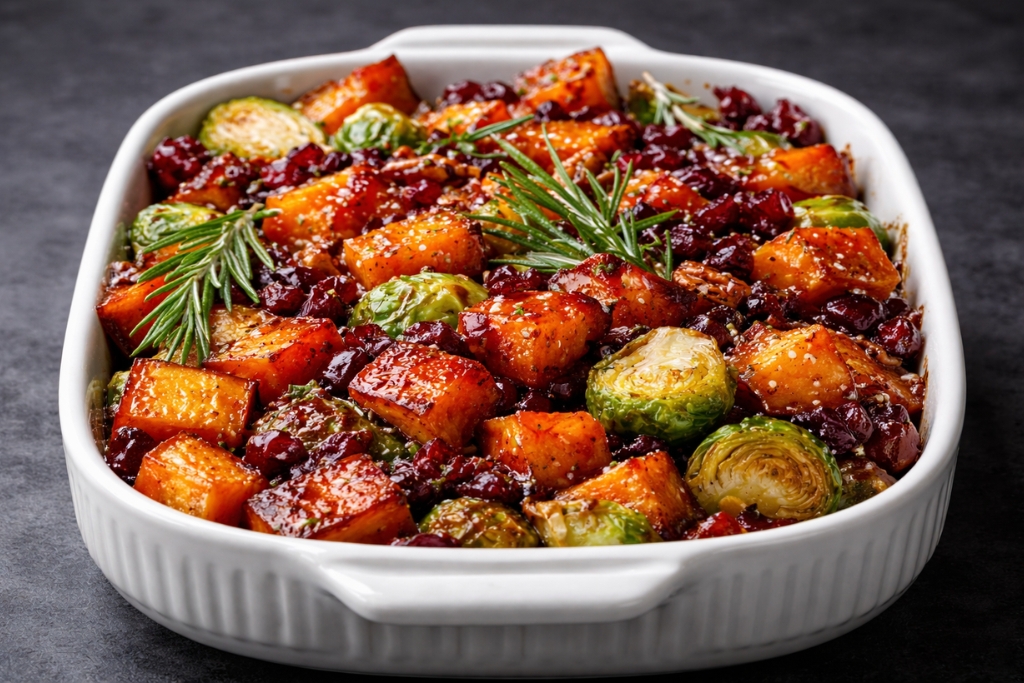
holiday healthy recipes
Cooking Methods Matter More Than You Think
Even the best Brussels sprouts can taste unpleasant if they’re cooked poorly. Overboiling is one of the biggest mistakes. It releases sulphur compounds that amplify bitterness and cause the smell many people associate with “bad sprouts.”
Instead, modern preparation focuses on techniques that enhance flavor and texture:
- Roasting at high heat to caramelise natural sugars
- Sautéing with olive oil for a crisp exterior
- Using air fryers for faster, cleaner cooking
- Pairing with acidic elements like lemon or vinegar to balance bitterness
These methods align well with Healthy holiday food swaps, helping you enjoy festive meals without heavy sauces or excess salt.
Why Brussels Sprouts Fit Modern Nutrition Trends
Brussels sprouts support digestive health, fiber intake, and gut diversity—key priorities during indulgent seasons. When paired with mindful eating habits, they complement strategies like Psychobiotics for mood and Simple ways to maintain gut health during the festive season.
They also work well in sustainable kitchens. Using the entire sprout, roasting stems and leaves, and planning meals around leftovers supports Zero-waste holiday cooking tips without sacrificing nutrition or flavour.
Taste Memory Is Powerful
One reason Brussels sprouts still struggle with their image is psychological. Food aversion formed in childhood can linger well into adulthood. If you tried them once, hated them, and never looked back, your brain filled in the blanks for you.
But taste changes over time. So does food. What repelled you at age eight may genuinely surprise you now—especially when prepared differently and eaten in a new context.
A Vegetable Worth Reconsidering
Brussels sprouts today are not a punishment food. They’re part of a broader shift toward smarter farming, better nutrition, and more thoughtful eating. Whether you’re exploring Functional Beverages, swapping ingredients in Low-sugar Christmas baking, or rethinking vegetables for digestive balance, sprouts deserve a second look.
You don’t have to love them. You just have to accept that the version you remember no longer defines them.
Conclusion
Disliking Brussels sprouts once made sense. Holding onto that dislike without re-evaluating it may not. Food evolves, taste adapts, and nutrition science moves forward. If you’re still avoiding sprouts based on old experiences, you may be missing out on a vegetable that has quietly earned its place at the modern table.