Do Vibration Plates Burn Fat or Just Feel Intense?

vibration plate workout
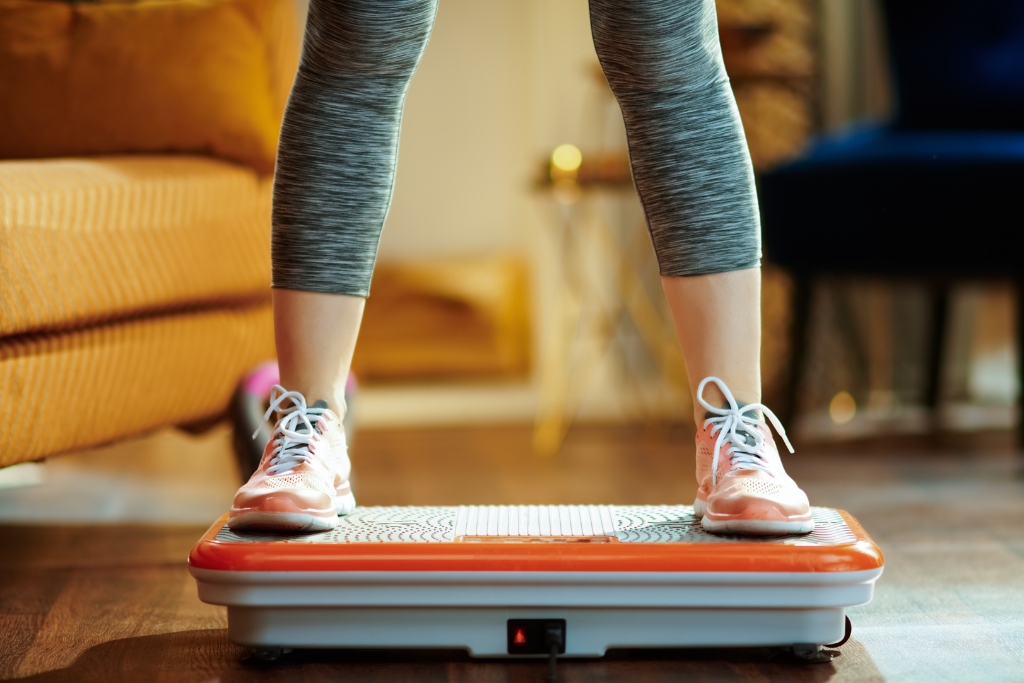
Vibration plates are having a real moment right now. You’ve probably seen them all over fitness content, and they’ve become popular enough to even get joked about in mainstream pop culture. They look simple—a motorized platform that vibrates while you stand, squat, stretch, or hold a plank—but the claims around them are big. Some promise better circulation, faster recovery, improved bone density, and even fat loss, all with minimal effort.
And since they range from around $80 to a few thousand dollars, it’s fair to ask the real question before buying one: do vibration plates actually do anything meaningful, or are they just another trending tool?
How a Vibration Plate Works
A vibration plate creates an unstable surface by vibrating rapidly under you. That instability forces your body to work harder to stay steady. Even if you’re doing a basic movement, your muscles—especially stabilizers—have to fire more actively to maintain balance.
That’s the main idea behind the “benefit.” The plate isn’t magically melting fat or fixing your body. It simply adds challenge to movement by making your muscles respond continuously. You may feel more engagement in your legs, core, and even upper body depending on what you’re doing on it.
Who Can Benefit the Most From Using One
A vibration plate is often used by people who want lower-impact activity or who struggle to stay active consistently. It can be a decent option if you want something that feels like “movement” without needing a full workout setup.
But one thing matters: you need to actually use it with intention. Sitting on it and doing nothing usually won’t create much benefit. What tends to work better is stretching, planks, squats, or light exercises that force your body to stabilize.
Circulation and Lymphatic Drainage
One of the more believable benefits is improved circulation. When your muscles activate, blood flow increases naturally. Since vibration plates push your muscles to engage more, they can encourage that blood flow even during lighter effort.
This is also where lymphatic drainage gets mentioned. Your circulatory system and lymphatic system work closely together, and improving circulation can support fluid movement in the body. Even a short whole body vibration session has been shown to boost blood flow to the muscles.
That said, regular exercise still improves circulation more effectively. If you’re already active, a vibration plate isn’t essential. But if you want a small “extra push” during stretching or light training, it can add something.
Recovery
Because circulation improves, vibration plates may support muscle recovery too. Better blood flow can help reduce tightness and soreness in some cases, which is why many people use them after workouts or alongside mobility routines.
It can also make stretching feel slightly more effective. The vibration may help you loosen up and sink into stretches a bit more comfortably, especially if you’re stiff after sitting all day.
However, the benefits are still fairly marginal for most active people. You can often get similar recovery results from:
- Foam rolling
- Massage guns
- Compression sleeves or boots
- Sauna or heat therapy
- A simple mobility routine
- Light Zone 2 cardio recovery walks
So it’s not that vibration plates “don’t work,” it’s that they’re one option among many.
fitness equipment trends
Balance and Stability
Training on an unstable surface naturally involves your stabilizer muscles more. That’s why vibration plates may help slightly with balance and body control. If you practice standing moves, single-leg holds, or controlled squats on the plate, you’re forcing your body to stay aligned under pressure.
Research here is still mixed. Some findings show potential when vibration is combined with exercise, but there isn’t enough consistency yet to treat it like a proven balance solution. It may help, but it won’t replace proper strength work.
Bone Density
Bone density is one area where vibration plates may have a modest impact. Some research suggests whole body vibration can improve bone mineral density at areas like the hip and spine, particularly in postmenopausal women. In certain studies, improvements were seen in the range of about 2% to 5.5%.
But results vary a lot, and there’s no clear agreement on the best frequency, duration, or “dose” of vibration needed. If your goal is bone health, strength training and weight-bearing exercise still remain the most reliable approach.
Bold addition: If you have osteoporosis risk, joint instability, or a medical condition affecting balance, it’s best to speak to a qualified professional before using one regularly.
Fat Loss
If you’re hoping a vibration plate will meaningfully change your body fat, the evidence isn’t strong. Whole body vibration may impact total fat mass slightly, but it doesn’t show meaningful improvements in overall body fat percentage.
In real terms, some people may lose a small amount of weight—maybe a couple of pounds—but it’s not enough to reshape body composition on its own. The best fat-loss impact comes when the plate makes your workout slightly harder, meaning you burn a bit more energy and activate a few extra muscles.
But if fat loss is the main goal, vibration plates are not a replacement for consistent training, nutrition control, and movement habits.
Conclusion
Vibration plates aren’t useless, and they’re not purely hype either. They can slightly increase muscle activation, support circulation, and make stretching or basic strength work feel more challenging. Bone density benefits may exist in specific cases, though they’re not guaranteed. For fat loss, the impact is usually minimal unless the plate helps you stay more consistent overall. If you treat it as an add-on tool—not a shortcut—you’re more likely to see value without feeling disappointed by unrealistic promises.