How Nervous System Regulation Supports Longevity
nervous system regulation
In 2026, health no longer revolves only around calories burned or steps logged. What matters just as much is how often your nervous system feels safe. You can hit every fitness metric and still remain in a constant state of internal tension. That realization is driving one of the biggest wellness trends of the year: shifting from aggressive biohacking to something quieter and more sustainable, neurowellness.
For years, optimization culture encouraged you to track everything. VO2 max, glucose spikes, and sleep scores. But the pressure to constantly improve often kept your autonomic system locked in overdrive. This over-optimization backlash is now reshaping how you think about stress relief and longevity. The new question isn’t “How hard did you push?” It’s “How often did your body actually relax?”
What a Parasympathetic Safety Audit Really Means
A parasympathetic safety audit has nothing to do with physical security. It is about checking whether your body feels safe enough to switch into rest-and-digest mode. Your autonomic system operates in two main states: sympathetic, which drives fight-or-flight, and parasympathetic, which supports repair and recovery.
Most modern stress isn’t life-threatening, but your body often reacts as if it is. Notifications, deadlines, and constant input keep your nervous system on alert. Over time, this low-grade activation becomes your baseline.
A safety audit asks you to pause and evaluate: are you stuck in high gear?
Longevity research now connects nervous system regulation to resilience. If your body never enters recovery mode, cellular repair slows. That affects everything from sleep to immune function.
The Shift From Biohacking 2026 to Neurowellness
The tone of biohacking in 2026 looks different than it did just a few years ago. Instead of pushing performance higher, the focus has moved toward somatic regulation and nervous system balance.
You still see tools, but the purpose has changed. For example, a vagus nerve stimulator is no longer marketed only for peak output. It is positioned as a tool for vagus nerve stimulation that supports calm.
Other neurowellness tools gaining attention include:
- Sound frequency therapy designed to gently guide the brain toward slower wave states
- Somatic healing practices like shaking, breathwork, or vocal toning
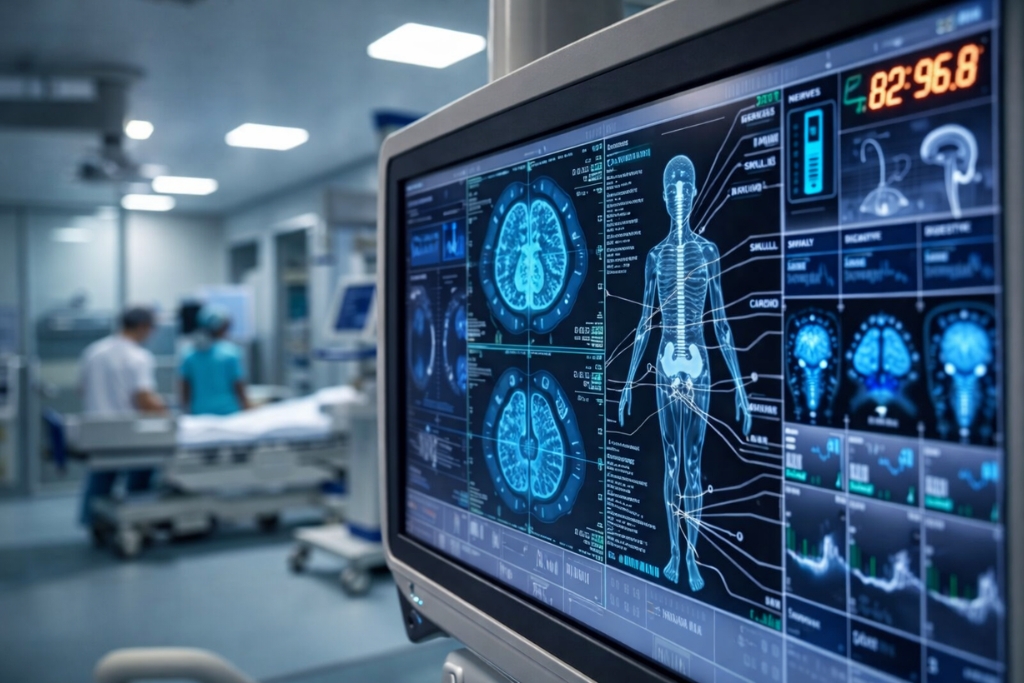
- Heart rate variability tracking to measure autonomic flexibility
Heart rate variability remains one of the few metrics still widely respected. A higher HRV usually indicates a nervous system that can shift between activation and recovery efficiently.
How to Perform a Nervous System Safety Audit at Home
You don’t need equipment to begin. In fact, learning how to perform a nervous system safety audit at home is mostly about observation.
Start with these simple checks:
- Breathing pattern: Are you breathing into your chest or into your lower ribs? Shallow breathing often signals sympathetic activation.
- Muscle tension: Notice your jaw, shoulders, or hands. Chronic tightness is common when the nervous system feels unsafe.
- Sensory environment: Bright lights, background noise, or clutter can send subtle threat signals to your brain.
- Internal pace: Do you feel hurried even when you have time? That can indicate your autonomic system hasn’t downshifted.
This is not about judging yourself. It is about awareness. Once you notice activation, you can respond.

heart rate variability
Somatic Therapy and the Body’s Role
Traditional therapy focuses on thoughts and narratives. Somatic therapy adds the body back into the conversation. The idea is simple: stress is not just mental. It is physical.
Somatic regulation practices might include slow rocking movements, grounding exercises, or focused breathing. These are small but direct signals to the vagus nerve that danger has passed.
The felt safety movement emphasizes experience over data. Instead of asking your app if you are calm, you ask your body. Do your shoulders drop? Does your breathing slow? That is information.
Meditation still plays a role, but it is less about achieving a perfect state and more about gently returning to regulation.
Nervous System Regulation and Longevity
Nervous system regulation is increasingly linked to long-term health outcomes. Chronic activation affects sleep quality, digestion, and immune response. When your body remains on alert, repair processes take a back seat.
The new framing of longevity includes emotional resilience. A regulated nervous system adapts rather than overreacts. It can activate when needed and settle when the threat passes.
This does not mean eliminating stress. It means improving recovery.
Moving Beyond Optimization
The over-optimization backlash does not reject science. It simply acknowledges that numbers alone do not define health. A high-performance lifestyle without parasympathetic balance can undermine itself.
When you integrate regular safety audits, you stop chasing constant upgrades. You start noticing signals. That shift often feels quieter, but it is more sustainable.
Conclusion
A nervous system safety audit reminds you that wellness begins with regulation. Instead of focusing only on output, you measure how often your body feels safe. By supporting the vagus nerve, practicing somatic regulation, and paying attention to heart rate variability, you create room for true recovery.
Health in 2026 is not about doing more. It is about knowing when to settle. When your nervous system learns that it is safe, everything else—focus, sleep, and resilience—tends to follow.