Build a Consistent Exercise Routine Without Perfection
workout routine
If you’ve ever planned the ideal exercise routine only to skip it entirely because your day went sideways, you’re not alone. It happens more than most people admit. You wake up tired. Work piles up. Suddenly that 60-minute workout feels impossible. And instead of adjusting… you cancel it. Start again next week, right? Here’s the thing. That’s exactly where most fitness consistency breaks down.
What people often call discipline is actually perfectionism. And over time, it quietly ruins your workout habits, your motivation, and even your relationship with physical health.
The All-or-Nothing Cycle You Don’t Notice
At first, it feels like high standards. You want to do things properly. Full session. Full intensity. No shortcuts. But that mindset has a flaw. If it’s not perfect, it doesn’t count. That belief alone explains why the all-or-nothing mindset ruins exercise routines. You either go all in or not at all. And “not at all” becomes more frequent than you’d like.
You skip one day. Then another. Then suddenly your entire fitness routine disappears. It’s not laziness. It’s pressure.
What Actually Changed Everything for Me
The shift wasn’t dramatic. No big motivational moment. No new program. I just stopped chasing perfect workouts. Instead, I focused on showing up… even if it meant doing less.
That’s where anti-perfectionist fitness comes in. You’re no longer measuring success by intensity. You’re measuring it by consistency. And surprisingly, that’s what leads to sustainable fitness.
The Power of Doing “Just Enough”
There’s a concept gaining traction right now: minimum effective dose exercise. It sounds technical, but it’s simple. Do the smallest amount of movement that keeps the habit alive.
That could be:
- A 10-minute stretch between meetings
- A quick walk after dinner
- A short set of bodyweight exercises
That’s it. And yes, it counts.
In fact, even short bursts of daily movement can support cardiovascular and metabolic health when done consistently. That’s the part most people overlook. You don’t need perfection. You need repetition.
Why Soft Fitness Is Actually Smarter
There’s also a noticeable shift toward what people are calling soft fitness. Less punishment. More awareness. It’s not about pushing harder every day. It’s about choosing movement that feels doable, even on low-energy days.
Some days that might be:
A slow walk.
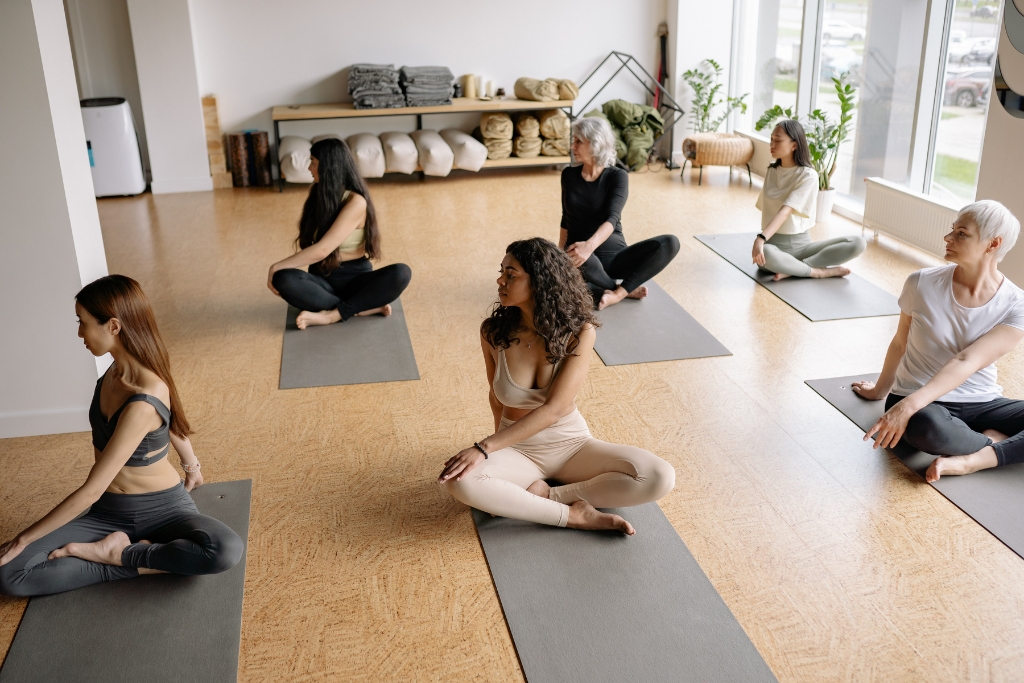
A light yoga session.
Or simply moving your body without a strict goal.
That’s called joyful movement. And it plays a huge role in long-term wellness. Because when exercise stops feeling like a task, you stop avoiding it.

fitness consistency
Small Shifts That Build Real Consistency
If you’re wondering how to overcome perfectionism in fitness for consistency, you don’t need a complete reset. You need better systems. Here are a few that actually stick:
- Habit stacking for fitness: Attach movement to something you already do. Stretch after brushing your teeth. Walk while taking calls. It removes the friction of “finding time.”
- The 10-minute rule: Tell yourself you’ll just do 10 minutes. That’s it. No pressure to continue. Most days, you will. But even if you don’t, you’ve still shown up.
- Body neutrality in exercise: Stop judging your body for being tired or inconsistent. Focus on what it allows you to do. That mindset shift alone reduces guilt and increases adherence.
These aren’t hacks. They’re realistic adjustments.
The Real Fitness Mindset Shift
The biggest change isn’t physical. It’s mental.
You stop asking, “Was this workout good enough?”
And start asking, “Did I show up today?”
That’s the entire shift.
In a perfectionist mindset, success looks like intensity.
In a sustainable approach, success looks like consistency.
And over time, that difference compounds.
A Quick Reality Check
You don’t need to earn your workouts. You don’t need to suffer through them either. Consistency built on flexibility will always outperform intensity built on pressure.
That’s not motivational talk. It’s practical. Because life doesn’t run on perfect schedules. Your fitness routine shouldn’t either.
Conclusion
Letting go of fitness perfection for long-term health in 2026 isn’t about lowering standards. It’s about setting better ones. Ones that actually fit your life.
When you stop chasing ideal conditions, you start building real habits. The kind that survive busy days, low energy, and everything in between. And that’s what leads to lasting physical health, stronger workout habits, and a more balanced approach to wellness. Progress won’t always look impressive. Sometimes it’s just a 10-minute walk or a stretch before bed. But it adds up. Quietly. Consistently. Exactly the way it’s supposed to.