Sustainable Fat Loss Without Extreme Diet Rules

Sustainable Fat Loss Meal
Trying to lose body fat can feel frustrating when the scale becomes the only thing you watch. One week it moves. The next week it doesn’t. Sometimes it even goes up after you’ve done everything “right.” That’s why Sustainable Fat Loss starts with a better goal than just weighing less.
The real aim is body composition.
That means reducing fat while protecting muscle. Losing fat vs. losing weight is not the same thing. Weight loss can include water, muscle, and fat. Fat loss is more targeted. It helps your body look, feel, and function better without draining your energy.
Why the Scale Can Mislead You
The scale gives one number, but it doesn’t explain what changed. You may lose water after cutting carbs. You may lose muscle if calories drop too low. Or you may build muscle while losing fat, which can make the scale move slowly even when your clothes fit better.
That’s why healthy weight loss should not depend only on daily weigh-ins. If your goal is to lose body fat, pay attention to energy, strength, hunger, waist measurements, and how your body feels during normal activities. Those signs often tell a fuller story than the bathroom scale.
Sustainable Fat Loss Starts With Muscle
Muscle matters more than most people think. A healthy metabolism relies partly on lean muscle because muscle tissue uses energy even when you’re not exercising. When you crash diet, your body may respond by lowering energy use and breaking down muscle to conserve fuel.
That is the opposite of what you want.
A dietitian-approved fat loss plan usually avoids extreme restriction. Instead, it creates a gentle calorie gap. A caloric deficit simply means you eat slightly less energy than your body uses, encouraging it to pull from stored body fat.
Small deficit. Better consistency.
Build Meals That Keep You Full
The hardest part of any diet for fat loss is not knowing what to eat. It’s managing hunger without feeling punished.
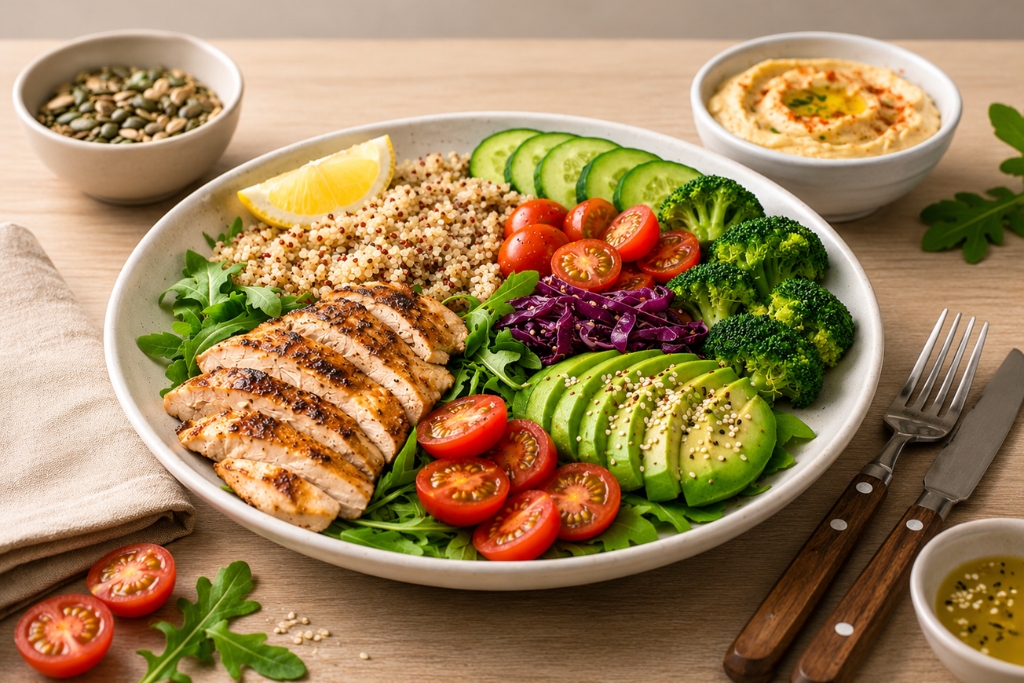
High-volume foods help. Vegetables like zucchini, cauliflower, leafy greens, cucumber, and bell peppers add size to your plate without loading it with calories. That physical fullness makes the process easier.
Protein is just as important.
Lean protein from foods like fish, turkey, tofu, Greek yogurt, eggs, lentils, or beans helps protect muscle while your body is burning body fat. Protein also takes more energy to digest compared with fats or carbohydrates, which gives it a useful edge during fat loss.
Lose body fat
Smart Fat Loss Tips That Actually Help
You don’t need a strange cleanse or a miserable food plan. You need repeatable habits that don’t fall apart by Friday.
Try these practical steps:
- Track your normal eating for 7 days before changing anything.
- Build meals around protein, vegetables, and slow-digesting carbs.
- Reduce daily intake gently by around 300 to 500 calories.
- Drink water before meals if you often mistake thirst for hunger.
- Keep strength training in your routine to protect muscle.
- Aim for slow progress instead of chasing dramatic weekly drops.
If you have diabetes, a history of disordered eating, pregnancy-related needs, or a medical condition, it’s safer to personalize calorie changes with qualified support.
Why Macro Tracking Can Help
Macro tracking for fat loss means watching protein, carbohydrates, and fats instead of only counting total calories. It can be useful because two meals with the same calories can feel very different. One may leave you full for hours. Another may make you hungry again quickly.
That said, tracking doesn’t need to become obsessive. Use it as information, not punishment. The goal is to understand your eating patterns. Once you know where hidden calories come from, especially oils, snacks, sauces, and sugary drinks, it becomes easier to adjust without feeling deprived.
The Best Diet Is the One You Can Repeat
People often ask, “What is the best diet for sustainable body fat loss?”
The honest answer is the one you can follow long enough to see results.
A balanced diet for fat loss should include enough protein, fiber, healthy fats, and complex carbohydrates to support your daily life. Oats, quinoa, potatoes, fruits, beans, and whole grains can fit well when portions are managed.
You don’t have to remove every food you enjoy. Actually, doing that usually backfires. Sustainable dieting works better when your plan allows flexibility, social meals, and normal life.
Keep the Pace Realistic
Fast fat loss sounds appealing, but it often comes with a cost.
A slower pace, around 0.5 to 1.5 pounds per week, tends to be easier on energy, hormones, hunger, and muscle retention. It also gives your body time to adjust. That’s the quiet advantage of Sustainable Fat Loss. It may not feel dramatic every day, but it builds results you’re more likely to maintain.
Conclusion
Sustainable Fat Loss is not starving yourself, eliminating whole food groups, or trying to hit a perfect number on the scale. It’s about creating a consistent calorie deficit, ensuring you consume enough protein, filling your plate with nutrient-dense foods, and preserving muscle while your body burns stored fat. If you focus just on weight loss, you may lose sight of the greater picture: altering body composition in a way that supports energy, strength, and long-term health. Most of the time the best strategies for fat loss are the least extreme. Eat with a plan. Track honestly when you need to. Move often. Allow your body to respond.