Weightlifting Sweet Spot and Longevity Benefits
Weightlifting Sweet Spot
The Weightlifting Sweet Spot may be smaller than most people think. If you’ve been avoiding strength training because it feels time-consuming, intimidating, or “not your thing,” the good news is simple: you don’t need to live in the gym to support long-term health.
A few focused weekly workouts may be enough to make a real difference. For years, cardio got most of the attention when people talked about lifespan extension and healthy aging. Walking, cycling, swimming, and running still matter. But resistance exercise has earned its place in the longevity conversation because muscle is not just about looks. It helps protect how you move, age, recover, and function.
Why Strength Training Matters More With Age
Muscle quietly affects almost everything.
It helps manage blood sugar, supports joints, protects balance, and keeps daily movement easier. Carrying groceries, climbing stairs, getting off the floor, protecting posture—these are not gym goals. They are life goals.
That’s why muscle maintenance becomes more important as you get older.
After adulthood, muscle mass can gradually decline with age, especially when people stay inactive. Strength training helps slow that decline and supports independence. This is where Weightlifting comes in. It gives your body a reason to keep muscle instead of slowly letting it fade.
The Weightlifting Sweet Spot Explained
The Weightlifting Sweet Spot appears to sit around 90 to 120 minutes of strength training per week. That means roughly one and a half to two hours across the whole week. Not every day. Not marathon gym sessions. Just consistent, deliberate resistance work.
This range has been linked with mortality risk reduction, especially when compared with doing no strength training at all. The interesting part is that doing much more did not seem to add extra longevity benefits in the same way. So the message is not “more is always better.” It is “enough, done consistently, matters.”
What Counts as Resistance Exercise?
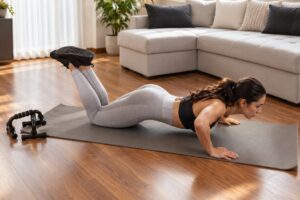
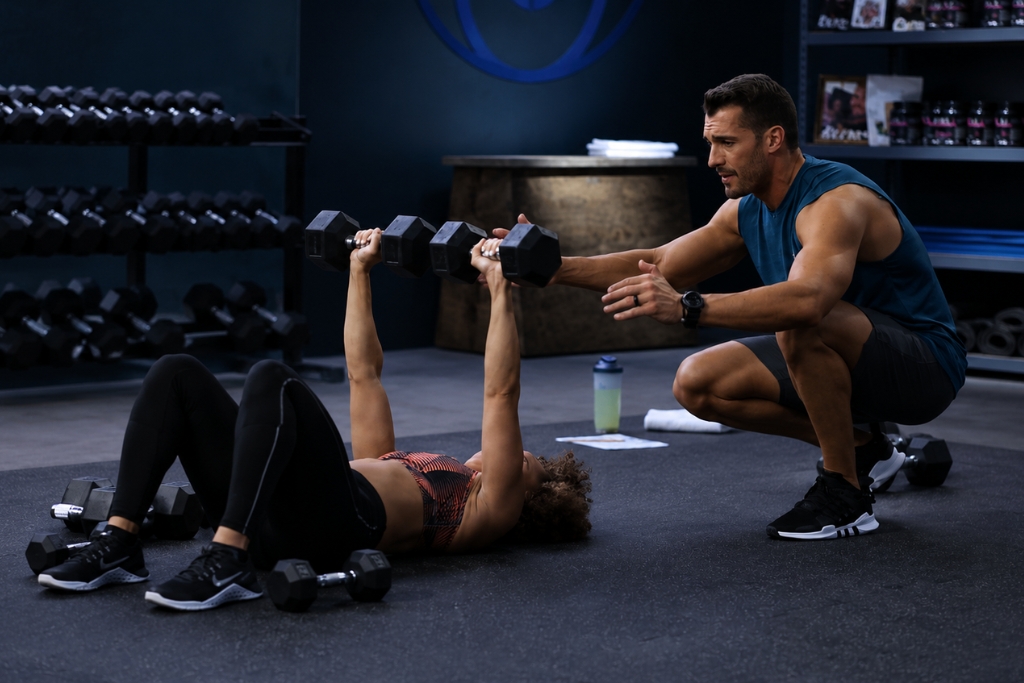
Resistance exercise means training your muscles against force. Dumbbells count. Machines count. Resistance bands count. Bodyweight movements count too. Even power yoga can build strength if it challenges your muscles through control, balance, and load.
You do not need a complicated plan to hit the optimal weekly weightlifting time. You need movements that train the major muscle groups and a routine you can repeat without burning out. That’s the part many people miss. The best workout is not the most dramatic one. It’s the one you can keep doing.
How to Split Weekly Workouts
The easiest way to hit the Weightlifting Sweet Spot is to break it up. Three 30-minute sessions can work well. Two 45-minute workouts can also do the job. Some people prefer four shorter sessions because it feels less mentally heavy.
A practical week might include squats or lunges, rows, push-ups, overhead presses, hip hinges, and core work. You can do these with weights, bands, machines, or bodyweight. Keep the effort challenging but controlled. You should finish feeling worked, not wrecked.
Why Lifting and Cardio Work Better Together
Strength training for longevity is powerful on its own, but it works even better alongside aerobic exercise. Cardio supports the heart, lungs, circulation, and stamina. Strength training supports muscle, joints, balance, and metabolic health. Together, they cover more ground.
Think of cardio as improving your engine. Think of Weightlifting as strengthening the frame, tires, and suspension. That combination supports physical wellness in a more complete way than either one alone.

Muscle maintenance
Smart Ways to Start Without Overdoing It
If you’re new to lifting, don’t chase heavy weights right away. Build confidence first.
- Start with two full-body sessions per week.
- Learn clean form before adding more load.
- Use machines if free weights feel confusing.
- Train legs, back, chest, shoulders, arms, and core.
- Rest at least one day between hard strength sessions.
- Add weight slowly when movements feel controlled.
- Stop if you feel sharp pain, dizziness, or unusual discomfort.
This is not about proving toughness. It is about building a routine your body can recover from.
The Sweet Spot Is About Sustainability
The weekly weightlifting sweet spot may be linked to longer life because it hits a useful balance. It gives the body enough stimulus to preserve muscle and improve strength without demanding extreme training volume.
That matters for real people. Most adults are busy. Many are tired. Some are returning after injury, weight gain, or years away from exercise. A realistic target feels less intimidating than a six-day gym plan. And realistically, consistency beats intensity for long-term health.
Conclusion
The Weightlifting Sweet Spot gives people a simple, useful target: around 90 to 120 minutes of resistance training per week. That amount may support healthy aging, muscle strengthening, and better long-term physical function without requiring extreme effort. Add regular cardio, keep the workouts manageable, and focus on movements you can repeat safely. The goal is not to become obsessed with lifting or chase a perfect body. It is to keep your muscles useful, your joints supported, and your body capable for as many years as possible. If you have a medical condition, injury, or long exercise gap, speak with a healthcare professional before starting a new routine.