Weight Loss Over 50 for Better Midlife Health
weight loss over 50
Weight loss over 50 can feel frustrating because the body does not respond the way it used to. Maybe you eat less than before, but the scale barely moves. Maybe belly fat feels more stubborn. Maybe workouts leave you tired instead of lighter. That is not failure.
After 50, the body changes in real ways. Muscle mass can decline, metabolism can slow, hormones shift, and recovery takes longer. So the best habit for weight loss over 50 is not starving yourself or doing endless cardio. It is building and protecting muscle with strength training and enough protein. Simple. Not always easy. But it works.
Why weight loss over 50 feels harder
The biggest shift is muscle loss. As people age, they naturally start losing lean muscle unless they actively work to preserve it. This is called sarcopenia. Muscle matters because it uses more energy than fat, even when the body is resting. So when muscle drops, the body’s daily calorie burn can drop too. That is one reason metabolism after 50 feels slower. This is also why aggressive dieting can backfire.
If you cut calories too hard, the body may lose both fat and muscle. Losing muscle makes long-term weight control harder, not easier. For midlife weight management, the smarter move is to protect the tissue that keeps your metabolic engine active. The goal is not just to weigh less. The goal is to lose fat while keeping strength, mobility, and energy.
The best habit: strength plus protein
The strongest daily habit for weight loss over 50 is pairing protein-first eating with resistance training. Together, they support sarcopenia prevention, better body composition, and healthy aging.
Resistance training means working your muscles against force. That can include dumbbells, resistance bands, weight machines, bodyweight squats, wall push-ups, or controlled strength exercises.
Protein intake gives muscles the building blocks they need to repair and grow after training. This combination helps with belly fat over 50 because it supports muscle preservation while making meals more filling. You may naturally snack less, feel steadier through the day, and avoid the crash-and-crave cycle that comes with low-protein meals.
Weight loss over 50 and protein needs
Protein does more than build muscle. It helps control appetite.
The protein leverage hypothesis suggests the body keeps seeking food until it gets enough protein. In plain English, if breakfast is mostly toast, cereal, or sweet coffee, hunger may come back quickly because the body still wants protein. A high-protein diet middle-age approach can help.
That does not mean eating only chicken breast and eggs. It means anchoring each meal around a protein source before adding carbs and fats. Good options include Greek yogurt, eggs, fish, chicken, turkey, tofu, lentils, cottage cheese, beans, lean meat, or protein-rich smoothies. For many adults, aiming for protein at each main meal is more useful than trying to “be good” all day.
Strength training protects your metabolism
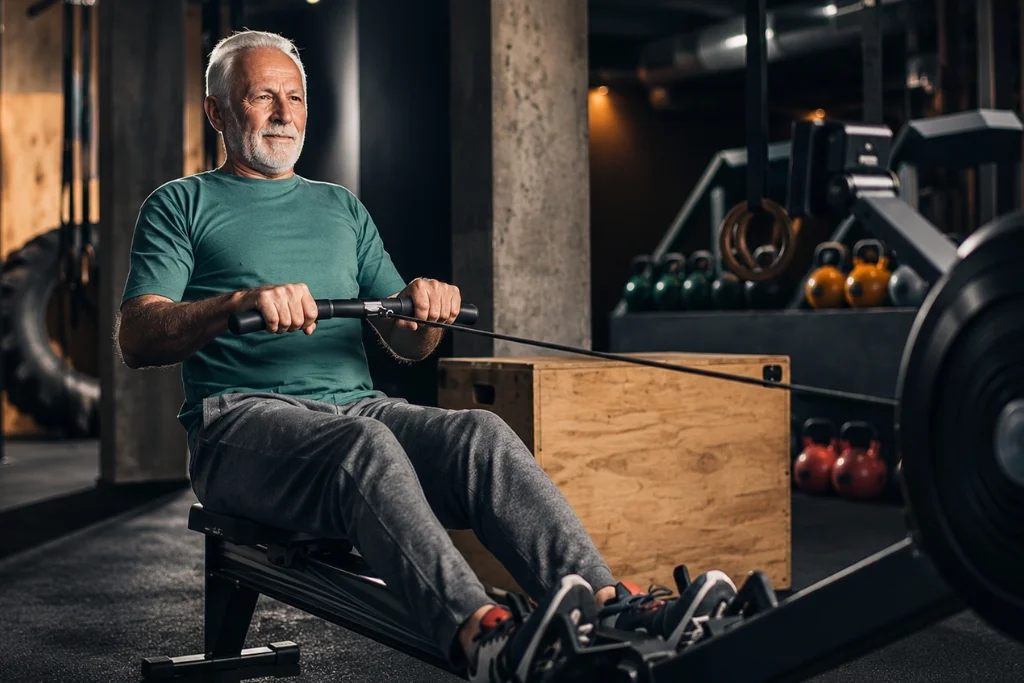
Resistance training for seniors and active adults is one of the best ways to preserve muscle. It also supports bones, joints, posture, balance, and daily independence. Start where you are. You do not need heavy lifting on day one. Bodyweight squats, glute bridges, seated rows with bands, step-ups, modified push-ups, and light dumbbell presses are enough to begin.
The key is progression. Over time, muscles need a slightly bigger challenge. That may mean more reps, better control, stronger bands, heavier weights, or an extra set. This is how to lose weight after 50 without slowing metabolism: train the body to keep muscle while nutrition creates a gentle fat-loss environment.

Metabolism after 50
Smart moves for midlife weight loss
Build sustainable habits over 50 instead of chasing quick fixes.
- Add protein to breakfast instead of starting with only carbs.
- Strength train 2 to 3 times per week.
- Walk daily to support calorie burn without over-stressing joints.
- Avoid severe calorie cuts that leave you weak and hungry.
- Sleep consistently because poor sleep increases cravings.
- Use resistance bands if weights feel intimidating.
- Track waist, strength, and energy, not only body weight.
These habits work because they support the body instead of fighting it.
Menopause weight loss needs extra patience
Weight loss during menopause can be extremely tough for many women. Hormonal changes can influence fat storage, sleep, mood and hunger. That can make belly fat more apparent and recovery less predictable. “Here is when strength training and protein become even more vital.
They help protect muscle, stabilize appetite, and support better metabolic health. Calorie needs over 50 may be lower than before, but that does not mean the body needs punishment. It needs smarter structure. A smaller, stronger, protein-rich eating pattern usually beats extreme restriction.
Build the habit slowly
The best habit for weight loss over 50 only works if it fits real life. Start with one change.
Add 25 to 30 grams of protein at breakfast. Do two short strength sessions a week. Walk after dinner. Replace one low-protein snack with Greek yogurt, boiled eggs, cottage cheese, or roasted chickpeas. Small wins count. Once the routine feels normal, add the next layer. This prevents burnout and keeps progress steady.
Conclusion
Weight loss over 50 is not about forcing your body to behave like it did at 30. It is about working with the changes that come with age. Muscle preservation, protein-first meals, strength training, walking, sleep, and realistic calorie control create the foundation for lasting results. The best habit is not one dramatic move. It is the daily pattern of feeding muscle, using muscle, and protecting metabolism while gently reducing excess fat. Do that consistently, and weight loss becomes less about restriction and more about building a body that still feels strong, capable, and well-supported.