Calorie Tracking Inaccuracy Behind App Diet Errors
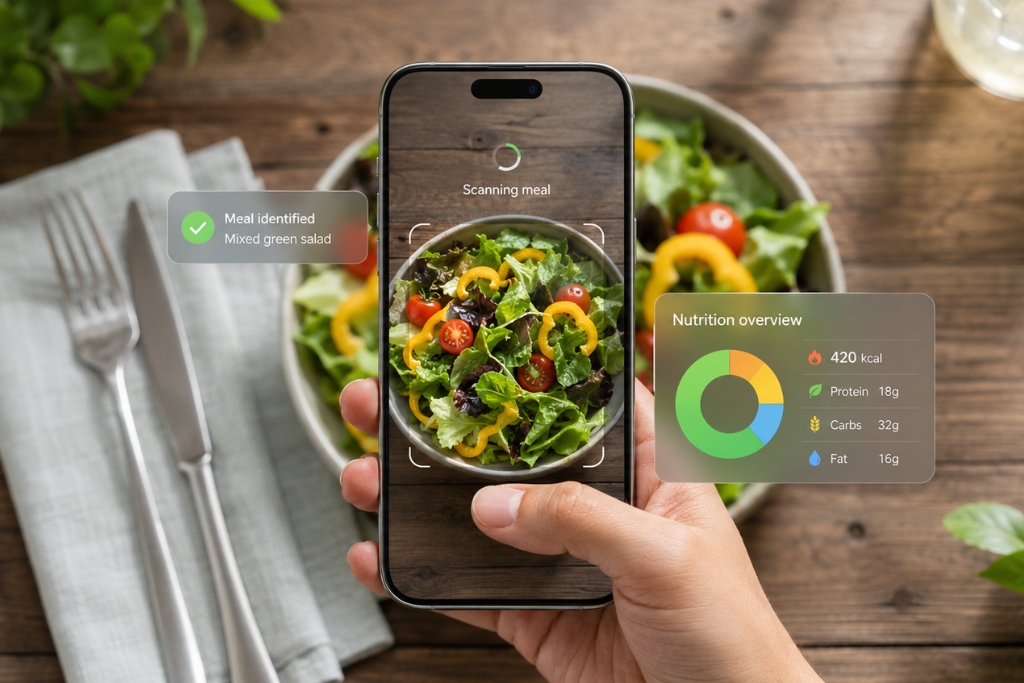
Calorie tracking inaccuracy
Calorie tracking inaccuracy can be incredibly frustrating when you’re doing everything “right.” You log breakfast. You weigh some meals. You stay under your calorie target. You check your macros. Then the scale sits there like nothing happened.
That can feel unfair. But a weight loss plateau does not always mean your body is broken or your metabolism has suddenly stopped working. Sometimes the issue is simpler: the numbers in your app are not as accurate as they look.
Why Calorie Tracking Inaccuracy Happens
Most calorie tracking apps are helpful, but they are not perfect. They depend on food databases, user entries, nutrition labels, serving size estimates, and your own logging habits. That leaves room for error.
A 500-calorie deficit sounds solid on paper. But if your app undercounts a meal by 150 calories, your portion estimate misses another 150, and cooking oil adds 120 more, that deficit is almost gone. This is how calorie deficit inaccuracy quietly turns into maintenance eating. You still feel disciplined. Your app still looks clean. But your body responds to the real intake, not the logged intake.
Calorie Tracking Inaccuracy and App Databases
One of the biggest issues is user-generated database errors. Many calorie counting tools allow users to create food entries. That is convenient, but it also creates a messy database full of duplicate products, missing macros, wrong serving sizes, and outdated nutrition details.
This is why calorie tracking database errors matter. You may search for “chicken sandwich” and choose an entry that looks close. But “close” can be off by hundreds of calories depending on bread size, sauce, oil, cheese, and preparation method. Inaccurate food logger entries often make the day look better than it really was. This is also why calorie-counting app user database errors causing weight plateaus are such a common problem. The app gives you confidence, but not always accuracy.
Portion Size Estimation Can Break the Deficit
Portion size estimation is another major reason people get stuck. A tablespoon of peanut butter can become two tablespoons very quickly. A “medium” avocado can vary a lot. A bowl of rice looks harmless until it is weighed. Nuts, oils, pasta, granola, cheese, sauces, and dressings are especially easy to undercount. And no, this is not about being obsessive.
It is about knowing where the numbers can slip. Underestimating calorie intake app habits are common because most people are not trained to eyeball food accurately. Even careful eaters can misjudge portions when they are tired, hungry, eating out, or rushing through meals. A small daily tracking gap can become a weekly calorie surplus without feeling obvious.
Hidden Calories Are Usually the Quiet Problem
Hidden calories are not dramatic. That is why they are easy to miss. Cooking oil. Butter in the pan. Salad dressing. Coffee creamer. Sauces. Marinades. Tasting bites while cooking. A few fries from someone else’s plate. The spoon of nut butter that never gets logged.
Individually, they seem small. Together, they can explain why someone is hitting calorie goals, still can’t lose weight app targets, and is still not seeing progress. The app only knows what you enter. It cannot detect the extra olive oil, the heavier restaurant sauce, or the larger-than-listed serving. This is where calorie tracking app inaccuracy starts to feel personal. You are not lying to yourself. The system is just incomplete.
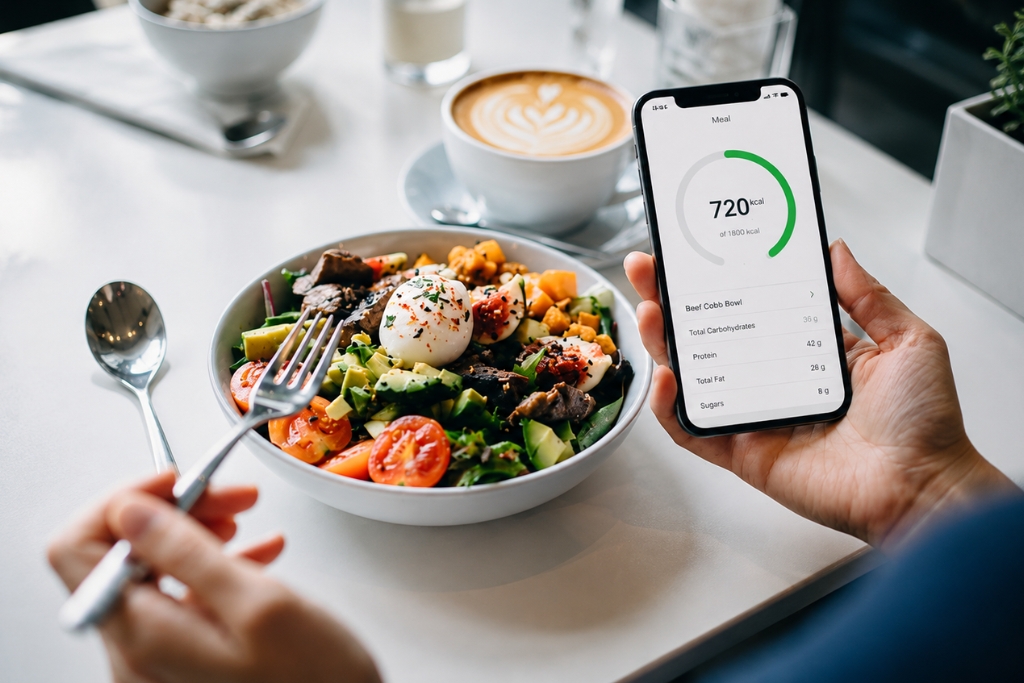
Food logging errors
Why Calorie Counting Apps Fail Some Dieters
Calorie tracking apps fail when people treat them like exact instruments. They are better used as estimates. Macro tracking can still help. Calorie counting tools can still create structure. They make patterns visible and help people understand food better. But if you treat every number as perfectly true, you may miss the margin of error.
Food labels can vary. Restaurant meals are rarely exact. Homemade recipes change based on oil, ingredient weight, and cooking method. Even “healthy” meals can become high-calorie when portions grow. So when you face weight loss resistance, don’t immediately blame hormones, age, or discipline. Start by checking the data.
How to Fix the Tracking Problem
You do not need to delete your app. You need to tighten the way you use it. Try these practical fixes:
- Weigh calorie-dense foods like nuts, rice, pasta, oils, cheese, and peanut butter.
- Use grams instead of cups where possible.
- Match app entries to the actual nutrition label.
- Avoid random user-created entries with missing details.
- Log oils, sauces, dressings, and drinks.
- Create your own saved meals for foods you eat often.
- Add a small calorie buffer for restaurant meals.
- Track consistently for at least two weeks before changing your plan.
This is not about perfection. It is about reducing the biggest errors.
When a Plateau Is Not About the App
A calorie deficit, not a losing-weight situation, can also happen for reasons beyond logging. Water retention can hide fat loss for days or weeks. Hard workouts can cause temporary inflammation. High-sodium meals can increase scale weight. Menstrual cycle changes can shift water weight. Poor sleep can affect hunger, cravings, and food choices.
Still, if the plateau lasts several weeks, checking food logging errors is one of the smartest first moves. It is practical. It is measurable. And often, it solves more than expected.
A Better Way to Use Calorie Apps
The best approach is to use your app as a guide, not a judge. If your weight is not changing after three to four weeks, your real intake may be higher than your logged intake, or your maintenance calories may be lower than the app predicted. Both are normal. Apps estimate. Bodies respond.
Adjust calmly. Tighten logging first. Then reduce calories slightly or increase activity if needed. Avoid making aggressive cuts based on one bad week. That usually leads to hunger, frustration, and rebound eating.
Conclusion
Calorie tracking inaccuracy can quietly erase the deficit you think you are creating, especially when app databases, portion estimates, hidden oils, and restaurant meals are not handled carefully. That does not mean calorie tracking is useless. It means the method needs more attention. If you are hitting your app goals but stuck in a weight loss plateau, audit the entries, weigh calorie-dense foods, log cooking fats, and build in a realistic margin of error. Your app can support progress, but it cannot replace accurate habits. Once the numbers get closer to reality, weight loss usually becomes much easier to understand.