Best Full Body Exercises to Tone Every Muscle
bodyweight exercises
If you’ve ever tried to “tone up,” you’ve probably faced the same frustration many people do. Endless workouts. Random routines. And very little visible change.
Here’s the truth most fitness plans overlook: you don’t need dozens of exercises or hours in the gym. What you need is a smart full-body workout built around movements that activate multiple muscles at once. That’s where modern toning exercises in 2026 focus differently.
Today’s approach prioritizes compound movement efficiency, meaning exercises that strengthen several muscle groups together. The result is better muscle definition, improved metabolic health, and workouts that actually fit into a busy schedule.
Below are the 10 exercises to tone every inch of your body at home, designed to build strength, stability, and balance without complicated equipment.
Lunges Build Lower Body Balance
Few movements challenge your legs the way lunges do. Step forward, and your quadriceps, hamstrings, and glutes immediately activate to stabilize your body.
It’s not just a leg exercise. Lunges also train coordination and balance, which makes them perfect for functional full-body toning.
Slow the movement down for better results. Lower yourself over three seconds and push back up steadily. This simple tweak introduces Time-Under-Tension (TUT) training, which keeps muscles working longer and promotes stronger toning.
Pushups Strengthen the Entire Upper Body
Pushups remain one of the most reliable bodyweight fitness movements ever created.
They train the chest, shoulders, arms, and core simultaneously while also improving posture. In fact, pushups are excellent anti-sitting exercises, counteracting the rounded shoulders that come from long hours at a desk.
If you’re exploring fitness for beginners, start with an elevated surface like a bench or table before progressing to floor pushups.
Squats Trigger Maximum Muscle Engagement
Ask any trainer about the best full-body compound movements for muscle definition in 2026, and squats will be near the top of the list.
The reason is simple. Squats recruit the largest muscles in the body: glutes, hamstrings, and quadriceps. Activating these muscles increases overall calorie burn and supports better strength training outcomes.
Even better, squats improve mobility and stability, both essential for long-term metabolic health.
Overhead Presses Train Stability and Strength
Overhead presses while standing may look like a simple shoulder workout, but they work a lot more than just the deltoids.
When you do this exercise while standing, your core and glutes work to keep your body steady as you lift the weight overhead. Adding that extra stress makes your posture stronger and your whole body more coordinated.
This makes the overhead press one of the most underrated home workout ideas for building total-body strength.
Dumbbell Rows Build the Back and Posture
Modern lifestyles involve a lot of sitting. That leads to weak back muscles and poor posture. Rows solve that problem quickly.
Pulling movements strengthen the lats and rhomboids, creating the foundation for a strong upper back. A simple trick improves results dramatically: pause and squeeze your shoulder blades together for two seconds at the top.
This pause increases muscle activation and supports resistance band hypertrophy when bands replace weights.
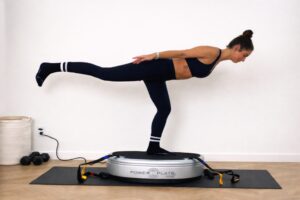
Single-Leg Deadlifts Improve Stability
Strength is important, but balance and timing are also very important. Single-leg deadlifts work the hamstrings and glutes and make the stabilizer muscles in the knees and hips work. Because of this, they are very good at better athletic movement and lowering the risk of injury.
For those focused on bodyweight fitness, this exercise builds impressive lower-body control.
Burpees Ignite Full-Body Conditioning
Burpees are intense. But they’re effective.
They combine a squat, push-up, and jump into one explosive movement. That combination makes burpees a cornerstone of HIIT routines designed to improve endurance and burn calories quickly.
Few exercises challenge both cardiovascular endurance and muscular strength the way burpees do.
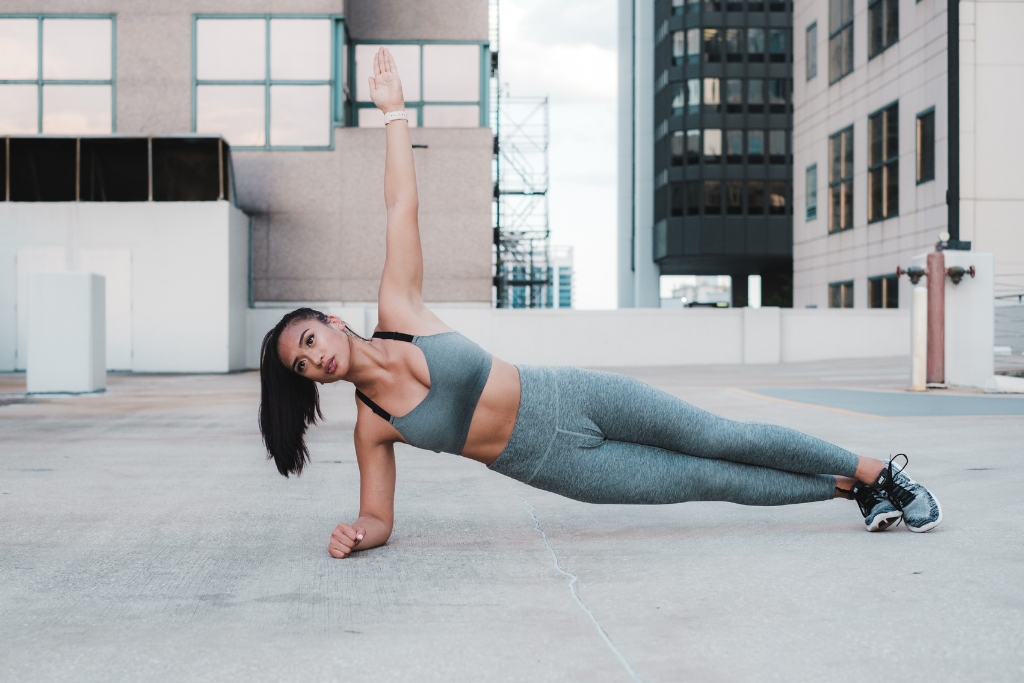
Side Planks Sculpt the Core
Standard planks build core endurance, but side planks go further by targeting the obliques and stabilizing muscles along the torso.
These muscles play a major role in posture and spinal protection. Strengthening them helps support everyday movement and prevents lower back strain. Strong obliques also contribute to the lean waistline many people aim for in toning exercises 2026.
Planks Strengthen the Entire Core
The plank looks simple, but it demands serious core strength.
Instead of passively holding the position, focus on an “active plank.” Tighten your glutes, engage your thighs, and press your forearms firmly into the floor. That full-body tension dramatically increases the intensity while improving functional full-body toning.
Glute Bridges Counter the Effects of Sitting
Sitting for long periods weakens the glutes, which can lead to back pain and poor posture. Glute bridges reawaken those muscles.
Lift your hips while squeezing the glutes at the top of the movement. To increase difficulty, place a resistance band above your knees. This activates additional hip muscles and supports glute-bridge variations used in modern strength training.
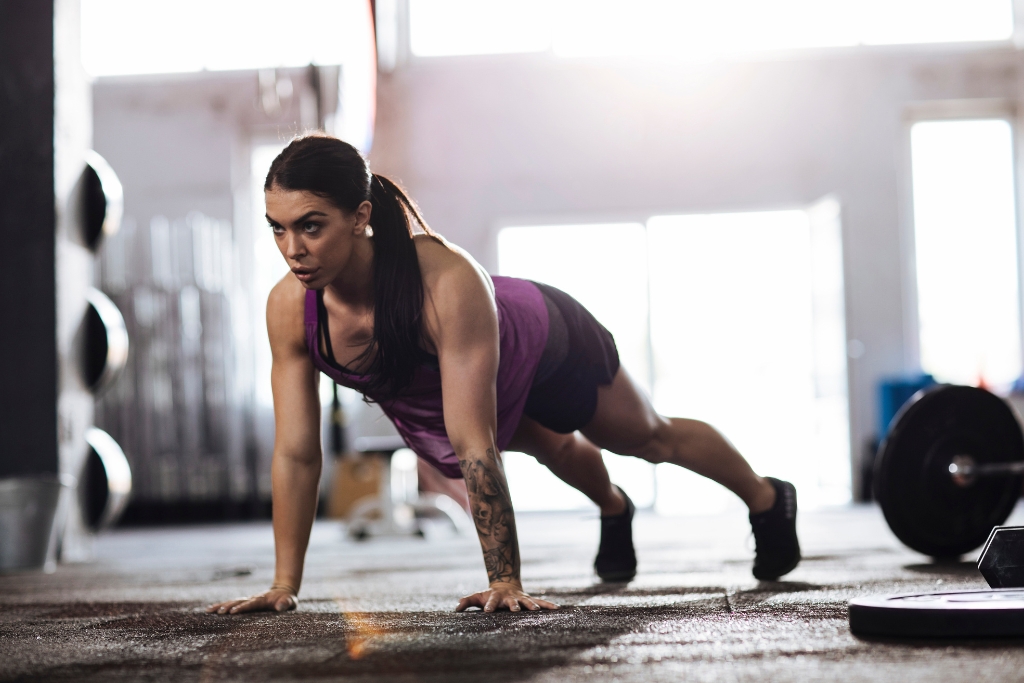
full body workout
Turn These Moves Into a Powerful Workout
To transform these exercises into an effective full body workout, try a simple circuit format.
- Perform each exercise for 45 seconds
- Rest 15 seconds between movements
- Complete 3 full rounds
This structure creates metabolic density circuits, meaning your body continues burning calories long after the workout ends.
It’s efficient. And surprisingly challenging.
The Role of Time Under Tension
Many people rush through exercises, but that limits results. Understanding how to use time under tension training for faster body toning changes everything. By slowing down each movement—especially the lowering phase—you keep muscles under strain longer.
That added tension stimulates muscle growth, improves endurance, and strengthens connective tissues. In short, slower reps often deliver faster results.
Consistency Beats Complexity
You don’t need an expensive gym membership or complicated equipment to build a stronger body.
The exercises above combine strength training, bodyweight fitness, and efficient movement patterns that support long-term health. More importantly, they work together to build balanced strength from head to toe.
Stick with them consistently and you’ll notice the difference: stronger muscles, better posture, and improved energy levels throughout the day. Sometimes the most effective fitness plan is also the simplest.