Daily Stretch to Prevent Calf Stiffness After Walking
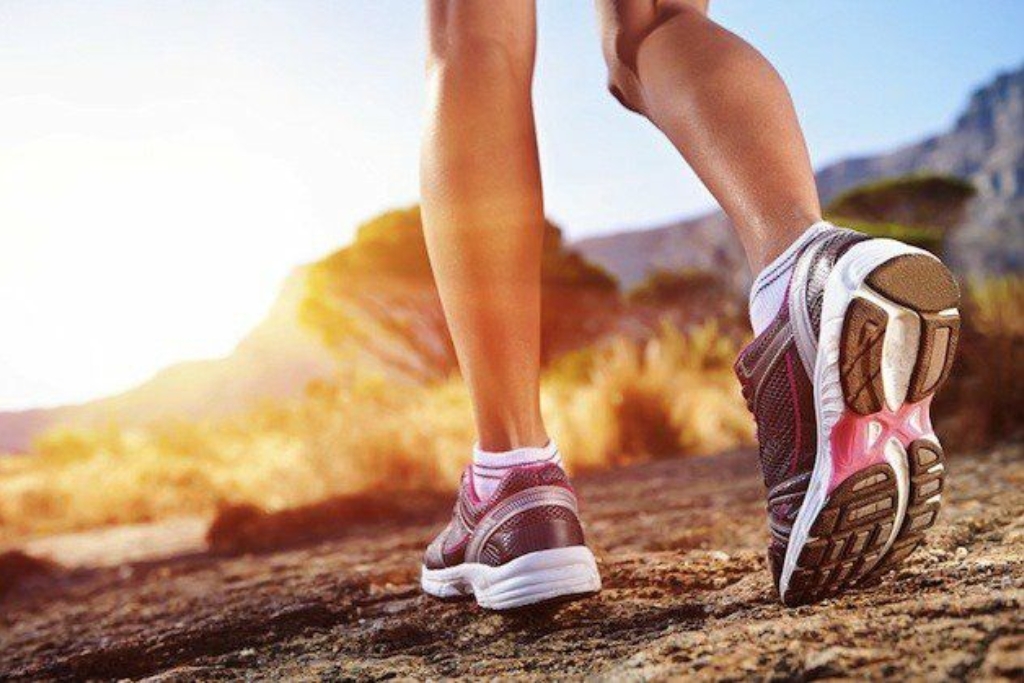
calf stretch exercises
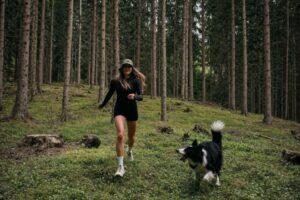
Walking is having a moment again. Step counts are rising, people are swapping short car trips for walks, and many are discovering that consistent walking can transform overall health. But there’s a catch. The more you walk, especially on pavement, the more likely you are to notice leg stiffness creeping into your calves.
If you’ve ever finished a long walk only to feel your lower legs tighten up later in the evening, you’re not imagining it. Tight calves are one of the most common complaints people experience during walking recovery. The good news is that a small change in your stretching routine can make a big difference.
Why Your Calves Feel So Tight After Walking
Here’s what’s happening beneath the surface.
Every step you take pushes your foot off the ground through a motion called plantarflexion. That movement relies heavily on two muscles in the back of the lower leg. The gastrocnemius, which is the larger visible calf muscle, and the deeper soleus, which sits underneath it.
When you walk on hard surfaces like sidewalks or roads, those muscles act as shock absorbers. Over time, the repeated push-off motion causes the muscle fibers to shorten and tighten. That’s when sore muscles and reduced dorsiflexion mobility begin to appear.
Without proper recovery, the tension can travel down toward the heel and Achilles tendon. Many people eventually start searching for plantar fasciitis relief or dealing with recurring calf tightness without realizing the root cause is poor mobility in the lower leg.
From a physical therapy perspective, most walking-related calf pain isn’t an injury. It’s simply a muscle that hasn’t been given a proper cool-down.
The Stretch That Works Better Than a Simple Wall Lean
Many people rely on the classic wall calf stretch. It’s helpful, but it doesn’t always go deep enough.
In fitness 2026, recovery strategies are shifting toward eccentric calf loading, a technique widely used in physical therapy to strengthen and lengthen the calf muscles at the same time.
Instead of holding a passive stretch, eccentric loading slowly lengthens the muscle while it’s under tension. That controlled lowering motion helps release tight fascia while improving long-term mobility. This is widely considered one of the best physical therapist calf stretches for long walks, especially for people who walk regularly on pavement.
How to Perform the Step Drop Calf Stretch
- You don’t need equipment. A curb or stair will do.
- Follow this sequence slowly and focus on control.
- Stand on the edge of a step with the balls of both feet on the surface
- Hold a railing or wall for balance
- Rise up into a gentle calf raise using both legs
- Lift one foot off the step
- Slowly lower the heel of the standing foot below the step level over three to five seconds
- Return to the start and repeat about 10 times on each side
That slow lowering phase creates deep fascial stretching while strengthening the calf muscle fibers. Over time, this improves resilience and prevents tightness after long walks.
Don’t Forget the Soleus Muscle
Most people only stretch the gastrocnemius. But the deeper soleus muscle often carries just as much tension.
This is where a simple adjustment matters.
After finishing your walk, try two variations of a calf stretch.
First, perform the classic straight leg wall stretch. Keep the back leg straight and press the heel down. This targets the gastrocnemius.
Then repeat the same position but bend the back knee slightly while keeping the heel on the ground. That movement isolates the soleus and creates a deeper soleus stretch after walking. If your calves usually feel tight near the Achilles tendon, this version will likely feel more effective.
walking recovery
Yoga Can Also Help Restore Mobility
If static stretching feels boring, there’s another option.
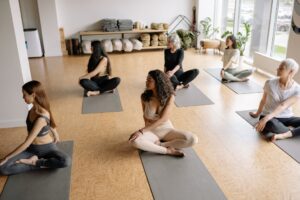
Gentle yoga for legs works well as an active recovery tool after walking. One of the simplest moves is Downward Facing Dog. It naturally stretches the calves while lengthening the entire posterior chain.
To make the stretch more dynamic, try slowly pedaling your feet. Press one heel down while bending the opposite knee. Then switch sides.
This movement increases circulation and helps flush out metabolic waste that contributes to leg stiffness.
Yoga based recovery also encourages gradual improvements in ankle mobility and dorsiflexion range, which are essential for comfortable walking.
Small Daily Habits Make a Big Difference
The truth is that tight calves rarely come from one long walk. They usually develop from repeated walking sessions without proper recovery.
A short daily stretching routine for tight calves and ankles in 2026 can prevent most of these issues before they start. The goal isn’t to stretch longer. It’s to stretch smarter.
Conclusion
Stiff calves after walking aren’t unusual, especially if your routes include concrete sidewalks or long urban walks. Your calf muscles are doing a lot of work with every step, absorbing impact and pushing your body forward thousands of times.
Adding just a few minutes of targeted cool-down exercises after your walk can change how your legs feel the next day. Eccentric calf loading, deeper soleus stretching, and gentle mobility work through yoga can all help restore flexibility and improve walking comfort.
Over time, these habits keep your calves strong, your ankles mobile, and your walks pain-free. Because the goal isn’t just to walk more. It’s to recover well enough that you can keep walking for years to come