Flutter Kicks Proved My Core Needed Serious Work
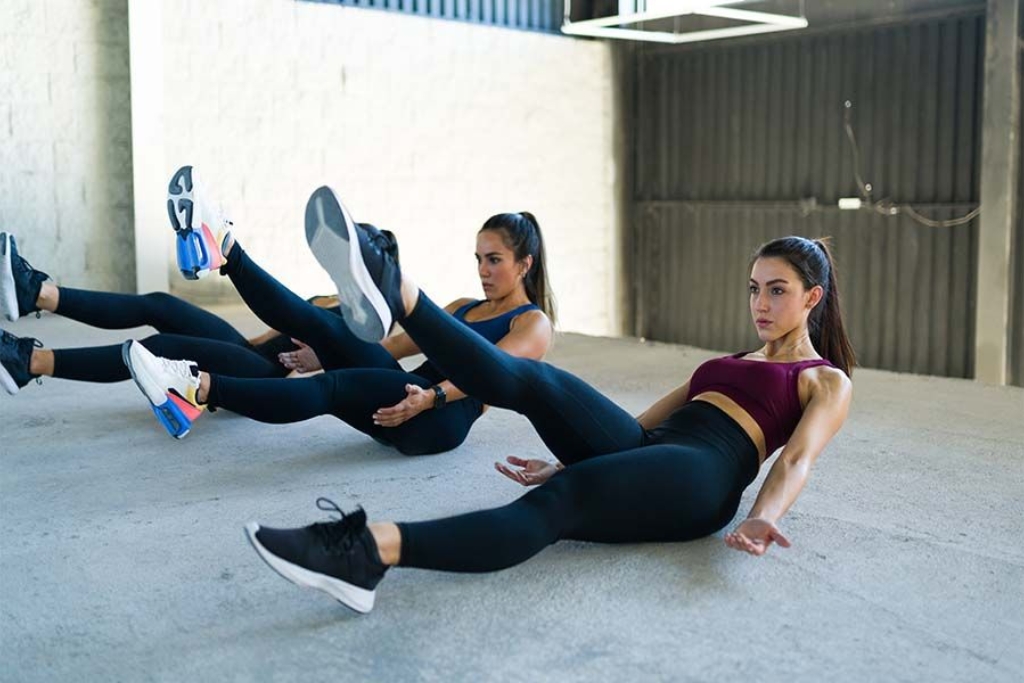
Flutter kicks exercise
If you’ve ever assumed you have a “strong core” because you lift weights, do a few planks, or survive the occasional ab workout, you’re not alone. A lot of people (including many regular gym-goers) think core strength is the same thing as having visible abs. But Pilates has a way of calling your bluff.
The first time you give certain Pilates moves your full attention, you realize something uncomfortable: your core might be “strong” on paper, but it may not be steady, enduring, or coordinated when it actually matters. And that’s where Pilates becomes less about looking fit and more about moving well.
One move in particular tends to expose this quickly: flutter kicks.
Why Pilates Hits Different Than Your Usual Training
Pilates doesn’t chase chaos. It builds control. It makes you slow down, stay aware, and hold tension where you’d normally “cheat” through the movement.
That’s why Pilates fits into Hybrid Fitness so well. You can still lift heavy, do cardio, or even explore HYROX Training, but Pilates gives you the foundation that keeps your body from breaking down when intensity increases.
It also overlaps with Somatic Movement, because you’re not just moving, you’re paying attention to how you’re moving. Your breathing. Your ribs. Your pelvis. Your posture. All of it. And once you start training like that, you stop thinking of your core as a body part and start thinking of it as your control center.
What Flutter Kicks Actually Are
Flutter kicks look simple: you lie on your back, lift your legs slightly off the floor, and alternate small fast kicks up and down. Some versions add a slight crunch position where your shoulders lift off the mat too.
But the difficulty isn’t the kicking. It’s the holding.
You’re basically asking your core to do all of this at once:
- Keep your lower back from arching
- Stop your hip flexors from taking over
- Hold your legs up without momentum
- Stay stable while your limbs move quickly
- Keep breathing without losing tension
That’s why flutter kicks can feel easy for five seconds… and then suddenly feel like your whole body is negotiating with gravity.
How to Do Flutter Kicks With Better Form
If you want flutter kicks to build your core instead of wrecking your lower back, here’s the cleaner version:
- Lie on your back with legs straight
- Bring your belly in gently (think: ribs down, not “suck in”)
- Tuck your pelvis slightly so your lower back feels supported
- Lift your legs to hover a few inches above the floor
- Kick small and controlled, not wild and fast
- If your back arches, bend your knees slightly or lift your legs higher
Quick note: If you feel flutter kicks mostly in your hips or low back, your core isn’t fully “owning” the movement yet. That’s not failure. That’s feedback.

Pilates core workout
What Happens When You Do Flutter Kicks
Doing flutter kicks daily is a humbling experiment because your core doesn’t just get “tired.” It gets exposed.
1) You realize it’s not just an ab exercise
Your abs are only one part of your core. Flutter kicks demand deeper control, especially from the muscles that stabilize your pelvis and spine. You don’t just feel a burn; you feel your body trying to find stability it didn’t know it was missing.
2) Your core endurance gets tested fast
Flutter kicks are basically LISS for your core—low impact but relentless. It’s not about power. It’s about time under tension. The longer you hold your position, the more you learn what your core can’t maintain yet.
3) You start noticing your breath
Most people accidentally hold their breath during flutter kicks. Pilates makes you fix that. Once you start breathing properly, the whole move feels more controlled, and your body stops panicking halfway through.
4) Your back might feel better than it does after crunches
This is one reason Pilates feels so joint-friendly. You’re not aggressively flexing your spine over and over. You’re building stability and resisting movement, which is often exactly what the lower back needs.
A Small Routine You Can Actually Stick To
If you want to build core strength without turning it into a dramatic lifestyle change, try this 5-minute approach:
- 30 seconds flutter kicks
- 30 seconds rest
- Repeat 3 times
- Finish with a 30 second plank
That’s it.
If you want to pair it with Recovery Rituals, do it after a walk, light workout, or a quick stretch session. Some people like stacking it with mobility work too, especially if you’re working on Mob-ability (mobility + strength).
And if you’re into trendier recovery tools, Infrared sauna blankets or Cold plunge protocols can feel great, but the honest truth is you’ll get more results from consistency than from gadgets.
The Real Lesson Pilates Teaches You About Your Core
A strong core isn’t about having abs. It’s about having control when you’re tired, distracted, or moving fast. Pilates shows you where you leak stability. Flutter kicks show you how long you can hold your posture under pressure. And once you start improving at that, everything else gets easier too: lifting, running, posture, and even daily movement.
You may not see dramatic change in a week. But you will feel something shift: your body feels more switched on, more steady, and more capable.
And honestly, that’s the kind of strength that actually lasts.