From Fitness Tracker to Clinical Heart Monitoring
heart health monitoring
You probably grew up thinking heart monitoring belonged to hospitals or older adults. That idea has changed quickly. During American Heart Month 2026, updated public health data showed more cardiovascular issues appearing in people in their late 20s and 30s. The response has not been panic but prevention. Many younger adults are replacing reactive doctor visits with ongoing self-tracking, using technology to notice problems before symptoms start.
This shift created what many now call the Smart-Heart Audit 2026. Instead of waiting for a yearly exam, you watch patterns at home and share useful data with your provider. The goal is simple: understand your heart while you still feel normal.
From Fitness Trackers to Medical-Grade Wearables
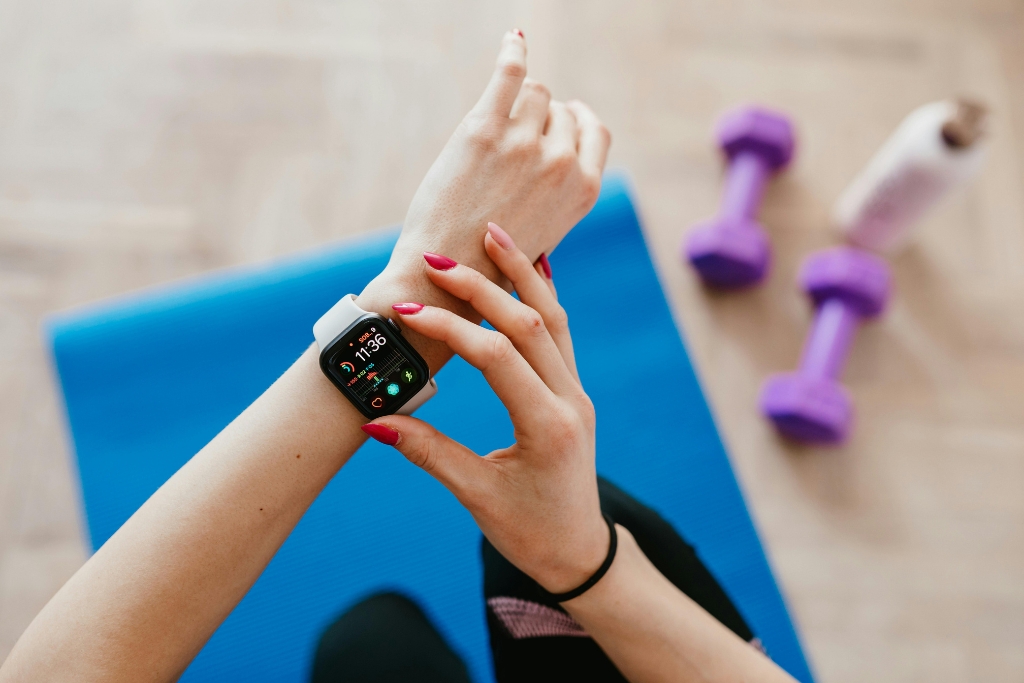
Early watches introduced at-home ECG features to everyday users, but the newest trend goes beyond wrist devices. You are now seeing medical-grade wearables designed for clinical quality monitoring rather than general wellness tracking. Many of them fall into the category of FDA-cleared wearables, meaning doctors can actually use the readings for care decisions.
Three types stand out right now:
- Clinical EKG patches record heart rhythm continuously for 24 to 72 hours, capturing irregular beats you would never notice during daily activity
- A continuous blood pressure monitor in ring form maps pressure changes across the day without an arm cuff
- Advanced rings like the Oura Ring Gen 4 Heart Stats estimate cardiovascular age, fitness capacity, and detailed Heart Rate Variability
Unlike older trackers that only counted steps, these tools focus on bio-monitoring. They quietly collect data during sleep, work, and exercise, creating a realistic picture of your heart instead of a snapshot.
Why Early Monitoring Matters: CKM Syndrome
Preventive tracking exists because doctors increasingly recognize CKM Syndrome. This term links cardiovascular health, kidney function, and metabolism. You may not notice it early because it often begins silently. Extra body fat, blood sugar imbalance, or mild pressure changes slowly increase strain on the heart.
That is why preventive cardiology now emphasizes early observation. By learning how to use medical-grade wearables for early heart disease, you can identify Stage 1 CKM patterns before they turn into chronic hypertension. The focus shifts from treatment to Hypertension Prevention.

preventive cardiology
Building Your Own Smart-Heart Audit
If you want a practical structure for smart-heart health, you do not need dozens of devices. You need the right types of measurements working together. Think of it as collecting layers of information instead of chasing one number.
You would typically track:
- Rhythm using an at-home EKG 2026 device to detect arrhythmias
- Pressure through Blood Pressure Rings or a Continuous BP Monitoring Ring
- Recovery patterns using Heart Rate Variability
- Fitness capacity through VO2 Max estimates
Together, these form a clearer picture than a single heart rate reading. Arrhythmia Early Detection becomes possible because patterns repeat over time rather than appearing in one appointment.
From Device to Doctor Through Telehealth
The most important development is not the wearable itself but the connection behind it. Modern devices support Telehealth Sync, meaning the information can be shared directly with your primary care provider. This process is often described as Syncing Health Data with PCP.
Instead of describing symptoms, you provide structured evidence. If irregular rhythms appear multiple times, your doctor can review raw readings remotely and adjust your plan. Many platforms now integrate with patient portals, allowing early action without waiting for a clinic visit.
This does not replace medical care. It improves the timing of it.
Bio-Monitoring as Preventive Care
The broader idea behind smart-heart monitoring is not constant anxiety about numbers. It is awareness. Continuous observation turns occasional checkups into an ongoing conversation with your body.
Wearable tech is moving from lifestyle accessory to medical tool. You move from reacting to symptoms toward managing risk factors long before they become illness. That shift defines modern Preventive Cardiology.
A Practical Way to Think About Heart Health
You do not need to interpret every data point perfectly. The value comes from trends. A steady increase in resting heart rate, changes in recovery, or repeated pressure spikes provide early signals worth discussing with a professional.
The Smart-Heart Audit approach is not about replacing doctors. It is about showing up prepared with meaningful information rather than guesses. Over time, that changes how healthcare works. Instead of waiting for warning signs, you recognize direction.
The Smart-Heart Audit approach is not about replacing doctors. It’s about showing up prepared with meaningful information rather than guesses. Over a period of time that has changes into how healthcare really works. Instead of waiting for thosed warning signs, you recognize the direction.
Heart care becomes less about emergencies and more about maintenance.