How Nervous System Regulation Helps Modern Stress

Nervous System Regulations
In 2026, stress no longer looks like an occasional bad day or a temporary workload spike. It feels constant. Notifications never stop, workdays stretch into evenings, and even rest is often interrupted by screens. You may have tried mindfulness apps, productivity systems, or cognitive techniques to “manage” stress, yet your body still feels tense, restless, or exhausted. This disconnect is exactly why nervous system regulation has moved to the center of modern mental health conversations.
Rather than asking you to think your way out of stress, nervous system regulation focuses on helping your body feel safe again. When your biology settles, your thoughts and emotions tend to follow.
Stress in 2026 Lives in the Body
Chronic stress today is less about single events and more about constant low-level activation. Your nervous system stays switched on, hovering in fight-or-flight mode even when no immediate danger exists. This state drains emotional fitness, disrupts sleep, and keeps cortisol levels elevated for far too long.
Regulation works by guiding your system away from overactivation and back toward balance. Instead of forcing calm, you support the natural shift from the sympathetic state, which prepares you to act, to the parasympathetic state, which allows recovery. This approach aligns closely with cortisol conscious living, where the goal is not eliminating stress but preventing it from becoming your default setting.
The Vagus Nerve and Your Built-In Reset System
At the core of regulation sits the vagus nerve, a major communication pathway linking your brain to your heart, lungs, and digestive system. When this nerve functions well, your body can respond to stress and then return to baseline smoothly. When it struggles, stress lingers long after the trigger disappears.
In 2026, interest in vagal tone has expanded beyond clinical settings. Noninvasive stimulation tools have become part of continuous care models, offering gentle ways to support nervous system recovery. Still, regulation does not require technology to be effective.
Simple practices can activate this system quickly. Slow breathing, especially when you extend your exhale, sends a signal of safety to your brain. Within moments, your heart rate begins to slow, and your body eases out of high alert. Over time, this builds resilience rather than temporary relief.
Somatic Practices and the Intelligence of Sensation
A major shift in mental health has been the move toward somatic, or body-based, practices. Instead of analyzing stress, you learn to sense it. This awareness, known as interoception, allows you to notice subtle changes before they escalate into overwhelm.
Somatic regulation often includes grounding techniques that give your nervous system clear physical cues of safety. These cues matter more than positive thinking when your system is overloaded.
Common approaches include:
- Gentle body scans that help you notice tension without judgment
- Progressive muscle relaxation to release held stress
- Weighted pressure or slow rhythmic movement to calm overstimulation
These methods are especially valuable in neurodivergent-friendly workspaces, where sensory awareness and regulation support focus without forcing uniform productivity standards.
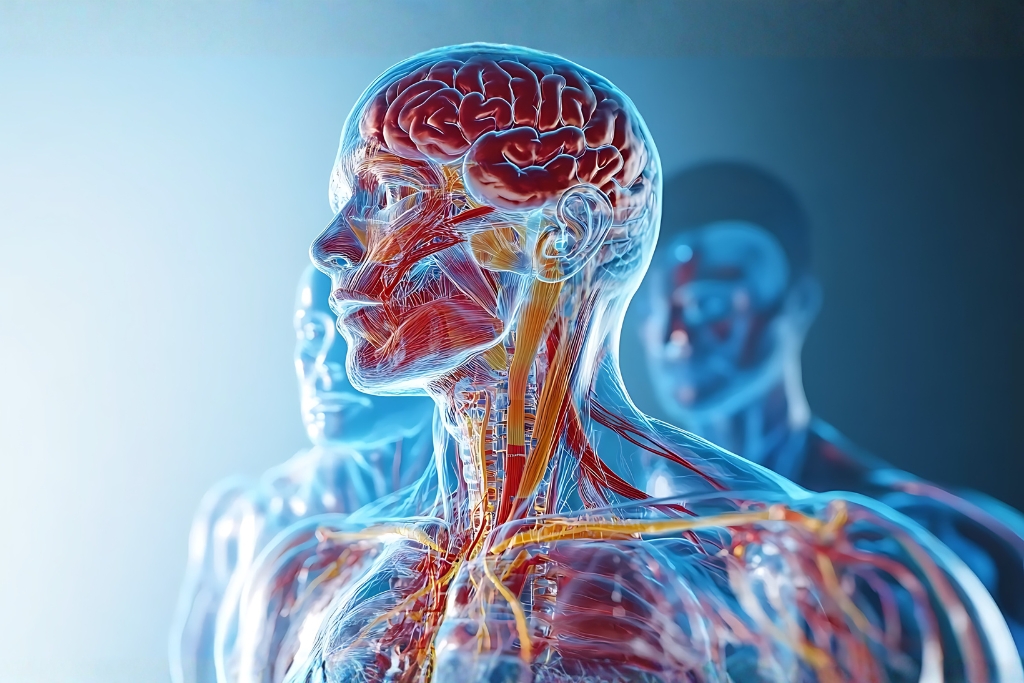
parasympathetic nervous system
Soft Fascination and Healing Digital Overload
One of the most accessible regulation tools in 2026 is the use of soft fascination. This technique involves allowing your attention to rest on stimuli that are gently engaging but not demanding. Nature plays a powerful role here.
Watching tree leaves move, listening to water, or observing shifting clouds gives your brain something to follow without effort. This kind of attention helps counter digital overload, making it a quiet antidote to always-on care expectations.
Many people now combine soft fascination with digital minimalism, intentionally reducing sensory noise while increasing restorative input. This approach has shown particular value during mid-January, when post-holiday burnout and digital fatigue peak.
Sound, Play, and Regulation Beyond Productivity
Nervous system care in 2026 is not limited to meditation or fitness routines. Practices once considered recreational now serve therapeutic purposes. Sound healing, through low-frequency tones or rhythmic music, supports relaxation by synchronizing breathing and heart rate.
Analog play has also re-emerged as a regulation tool. Activities like drawing, building, or simple hands-on games provide sensory feedback without performance pressure. These experiences remind your nervous system that not everything requires optimization or output.
Together, these practices support emotional fitness by restoring flexibility rather than enforcing calm.
Regulation Is About Flexibility
A regulated nervous system does not stay relaxed all the time. It responds appropriately. You can feel energized during challenges and still return to rest afterward. In 2026, this flexibility matters more than serenity.
Stress becomes harmful when activation never ends. Regulation gives you the ability to move through intensity and come back, instead of staying stuck. This is why nervous system work fits so well into modern mental health strategies. It adapts to real life rather than asking you to escape it.
A Practical Path Forward
Nervous system regulation works best when treated as a skill, not a fix. Small, consistent practices add up. You do not need to overhaul your life. You need to listen to your body more carefully and respond sooner.
In a world that rewards constant engagement, choosing regulation is a quiet form of resistance. By helping your nervous system feel safe, you create the foundation for clearer thinking, steadier emotions, and more sustainable well-being. In 2026, that may be the most effective stress cure available.