How to Calm Skin Redness and Irritation Fast
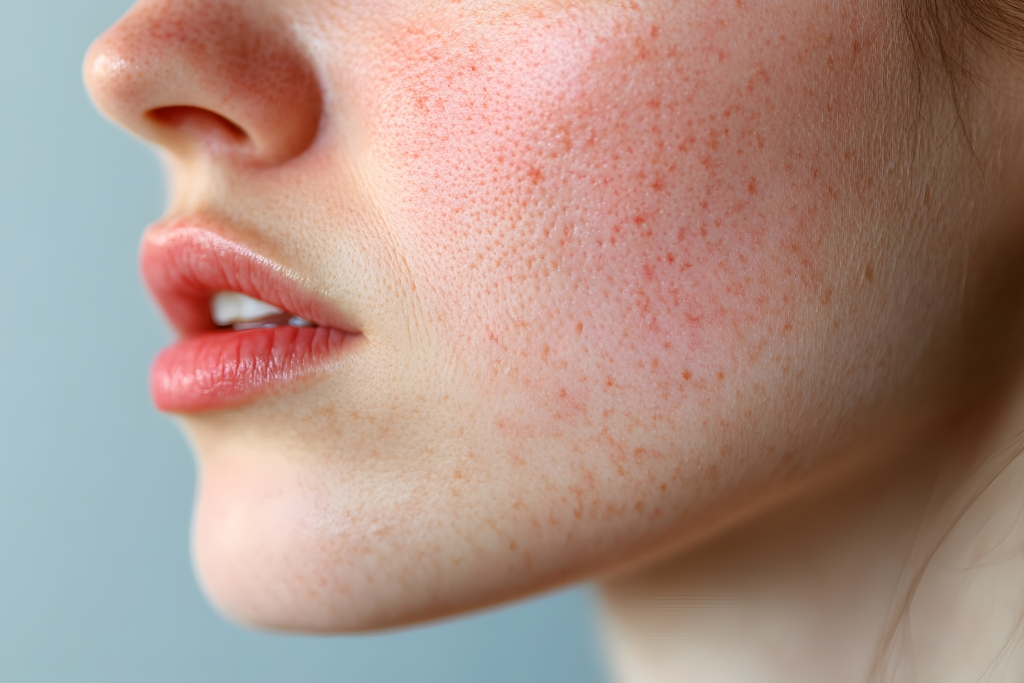
The Red-Prone Skin
Everyone has heard the assumptions that come with naturally red or reactive skin: that you blush easily, get flustered, or wear your emotions on your face. But if you live with persistent redness, you know it’s far more complex than the stereotypes. Redness can come with stinging, itching, heat, and inflammation that disrupt your routine and make even simple skincare choices feel like guesswork. Understanding why your skin reacts the way it does is the first step toward calming it, rebuilding your winter skin barrier, and getting closer to the even-toned, comfortable complexion you want.
When Redness Isn’t a Crisis
Mild redness after a workout, hot shower, or exfoliating treatment is completely normal—and usually short‑lived. The trouble starts when the color lingers, your skin feels hot, or sensitivity becomes the new baseline. That’s often a sign that your skin barrier is struggling. Think of your barrier as the outer shield that keeps irritants out and moisture in. When it weakens, everyday triggers like wind, heat, or scented skincare suddenly feel aggressive.
Before you panic, it helps to pause and observe. Redness that flares briefly then fades is often harmless. Persistent flushing, burning, or visible flaking, however, is your skin telling you it needs a gentler approach. The goal is not to eliminate redness overnight but to understand what sets it off so you can respond with the right care, not drastic measures.
Decoding the Signs Behind Your Redness
Redness can show up for countless reasons, but most fall into a few common categories. Sun exposure is a classic culprit, particularly if you’ve skipped SPF or stayed out longer than planned. Allergic reactions can also create a sudden flush accompanied by itchiness or texture changes. In other cases, your skin may feel warm to the touch, appear mottled, or become unusually tender.
These shifts don’t automatically mean you need a dermatologist. If your symptoms are mild and you don’t have a history of chronic skin conditions, you can often start with barrier‑supporting skincare and see meaningful improvement within weeks. Many people experience redness simply because their routine is too harsh or too frequent, and the fix is far gentler than they expect.
A Simple Set of Products That Actually Help
Redness responds best to calm, consistency, and moisture. If you’re rebuilding your barrier or dealing with seasonal flare‑ups, ingredients like ceramides are essential. They support the structure of your skin and prevent water loss, making them ideal for the winter skin barrier challenges many people face.
Here’s a short, targeted list of products commonly recommended to soothe irritation and restore balance:
- Ceramide‑rich moisturizers that repair the barrier and minimize dryness.
- Night serums that strengthen skin resilience and reduce sensitivity over time.
- Repair creams that hydrate deeply and help smooth rough or reactive patches.
- Cooling skincare tools (like cryo wands) that reduce heat, puffiness, and surface irritation.
This one shift, replacing harsh exfoliants or fragranced formulas with barrier‑focused products, is often what brings redness back under control.
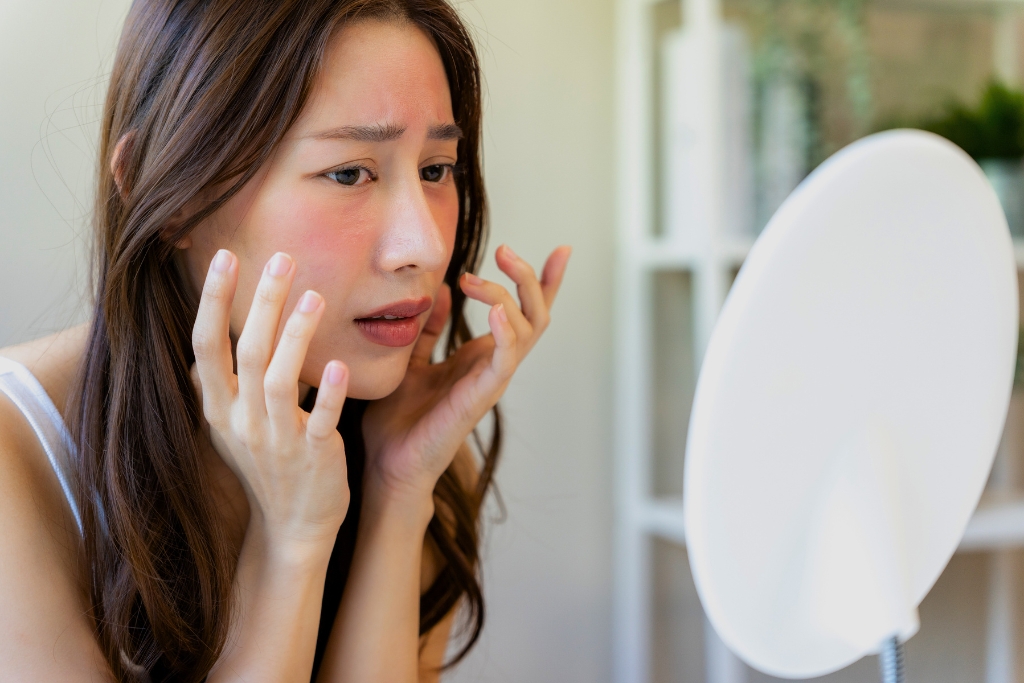
Red, Irritated Skin
Treatments That Support Your Routine
Topicals are only part of the picture. Many people find relief when they pair them with professional or lifestyle‑based treatments designed to calm inflammation. Light therapy, for example, uses gentle wavelengths to reduce redness and support overall skin health. Green and red LED treatments are non-invasive and work with most skin types, so they have become popular.
Lifestyle triggers are just as important. Spending long hours outdoors without SPF, drinking infrequently, or overusing exfoliants can undo your progress quickly. A consistent routine of gentle, hydrating skincare along with small daily changes can make a big difference. Regular facials, especially ones that focus on barrier repair and hydration, can help your skin get used to, strengthen, and heal between flare-ups.
Knowing When It’s Time to See a Dermatologist
Most of the time, you can get rid of redness at home with barrier-supporting items and good habits, but some of it can’t be fixed this way. If your redness hurts or gets bumps or won’t go away even with regular treatment, you should talk to a dermatologist. Conditions like rosacea, chronic eczema or other inflammatory reactions that last a long time usually need to be treated by a doctor.
Dermatologists have targeted tools, from prescription topicals to treatments using ingredients like azelaic acid, that can succeed where over‑the‑counter products fall short. Even if your symptoms turn out to be mild, getting clarity ensures you aren’t wasting time (or money) on solutions that don’t match your skin’s needs.
A More Comfortable, Confident Way Forward
Living with reactive or reddened skin can feel frustrating, especially when flare‑ups seem unpredictable. But once you understand your triggers and shift toward a routine that supports calm and protection, the difference can be transformative. Whether you focus on sustainable beauty through refillable products, lean into self‑care indulgence with soothing treatments, or simply choose a ceramide‑rich moisturizer that keeps your skin stable through winter, the goal is the same: a complexion that feels as good as it looks.
Your redness doesn’t define your skin; and with the right approach, it doesn’t have to control your day, either.