Millions of Brits Have Undiagnosed Sleep Apnoea

sleep apnoea symptoms
If you wake up tired most mornings, you probably blame it on stress, screens, late nights, or just getting older. That’s what most people do. But for millions across the UK, the problem runs deeper, and it’s happening while they’re asleep.
Sleep apnoea is one of those conditions that hides in plain sight. It doesn’t always feel dramatic. There’s no sharp pain, no obvious warning sign. Instead, it shows up quietly: broken sleep, constant fatigue, poor focus, and that heavy feeling you carry through the day no matter how early you went to bed.
Recent estimates suggest that more than eight million adults in Britain may have sleep apnoea. Most of them don’t know it. Many don’t even recognize the term, let alone connect it to how they feel every day.
What’s Actually Happening While You Sleep
Sleep apnoea affects your breathing at night. While you’re asleep, your airway repeatedly narrows or closes, causing your breathing to stop and restart again and again. Sometimes this happens dozens of times an hour.
The most common type is obstructive sleep apnoea, where the muscles in your throat relax too much and block airflow. Less commonly, breathing interruptions happen because the brain doesn’t send consistent signals to breathe. Some people experience a mix of both.
The key issue is this: every pause in breathing pulls you out of deep sleep. Your body never settles properly. You might be in bed for eight hours, but your brain and nervous system don’t get the rest they need.
Why So Many People Miss the Signs
Sleep apnoea doesn’t look the same for everyone. Snoring is common, but not universal. Some people wake up gasping or choking; others don’t remember waking at all. Many only notice the daytime effects.
You might find yourself:
- Feeling exhausted even after a full night in bed
- Struggling to concentrate or stay alert
- Dozing off while watching TV or reading
- Feeling irritable, low, or mentally foggy
During stressful periods, especially around Christmas, these symptoms are easy to dismiss. Late nights, alcohol, family commitments, and disrupted routines can blur the line between seasonal tiredness and a real sleep problem.
The Diagnosis Gap
One reason sleep apnoea remains underdiagnosed is that you’re unconscious when it happens. Unless someone shares a bed with you and notices breathing pauses, it can go unnoticed for years.
If symptoms persist, a GP can refer you to a sleep clinic for proper testing. That’s often the turning point. Until then, many people keep adjusting their lifestyle, trying supplements, tracking sleep data, or chasing better routines without real improvement.
Even advanced sleep tracking and AI analysis can miss sleep apnoea if breathing disruptions aren’t being measured directly.
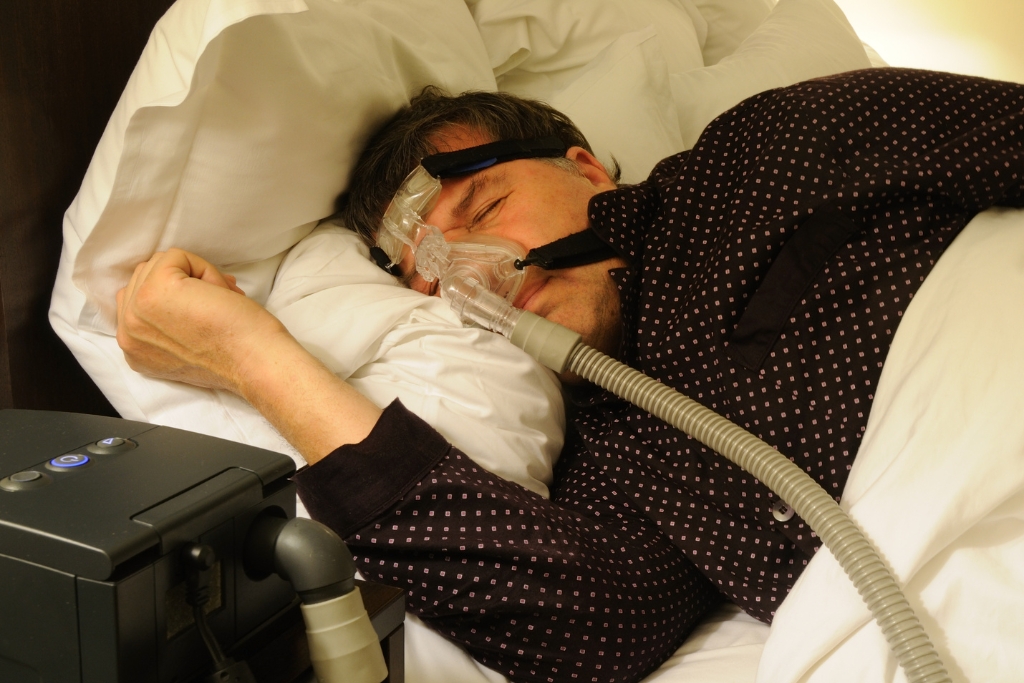
obstructive sleep apnoea
Why It’s Not Just About Feeling Tired
Living with untreated sleep apnoea affects more than your energy levels. Over time, poor oxygen flow and repeated sleep disruption increase the risk of serious health problems, including heart disease and diabetes.
Mental health also takes a hit. Constant fatigue makes anxiety harder to manage and lowers your ability to cope with everyday stress. During winter, when daylight is limited and routines are already fragile, this can feel especially overwhelming.
People often try digital detoxes, mindfulness practices, or SAD light therapy to feel better and those can help with mood. But if your sleep is fundamentally broken, these tools only go so far.
Small Adjustments That Can Help
Medical advice is essential if sleep apnoea is suspected, but there are also practical steps that can reduce symptoms.
Sleeping on your side instead of your back can help keep the airway open. Keeping your bedroom cool, dark, and quiet supports deeper sleep. Avoiding alcohol close to bedtime is important too, alcohol relaxes throat muscles and makes breathing interruptions more likely.
Weight can play a role as well. Extra pressure around the neck can narrow the airway. Even modest weight changes may lead to noticeable improvements for some people.
Your sleep setup matters more than you think. A mattress that supports spinal alignment may improve airflow. Reducing late-night screen use during the holidays can also help calm the nervous system before bed.
Paying Attention to the Warnings
It’s easy to normalize exhaustion. Most people do. But if you regularly wake up feeling drained, struggle through the day, or rely on caffeine to function, it’s worth taking seriously.
Sleep apnoea isn’t just loud snoring. It’s a medical condition with real consequences and real solutions.
Conclusion
Good sleep underpins everything: mental clarity, emotional balance, and resilience under stress. If rest never seems to restore you, even when you try to do everything right, it may be time to look beyond habits and routines.
Understanding what’s happening while you sleep could change how you feel during every waking hour, especially during the most demanding times of the year.