Muscle Preservation Nutrition Plan for GLP-1 Users

GLP-1 nutrition plan
GLP-1 medications have reshaped how weight loss is managed in 2026. Drugs like semaglutide and tirzepatide help control appetite, improve blood sugar balance, and support long-term fat loss. But there’s a downside that doesn’t get discussed enough. When weight drops quickly, muscle often goes with it.
If you are using GLP-1 therapy, preserving muscle is not optional. It is essential for your metabolic health, physical strength, and how sustainable your results will be once medication doses change. The goal is not simply to weigh less but to lose fat while keeping your body strong and functional.
This is where a GLP-1 companion diet becomes critical.
Why Muscle Loss Happens on GLP-1 Medications
GLP-1 drugs reduce hunger and slow digestion. That makes it easier to eat less, but it also means your body receives fewer calories and nutrients overall. Without proper planning, your system looks for energy wherever it can find it, including lean muscle tissue.
Research now suggests that without intervention, muscle loss can account for up to 40 percent of total weight lost on GLP-1 therapy. This directly affects metabolic rate, insulin sensitivity, and physical resilience.
Preserving muscle on Ozempic or similar medications is not about aesthetics. It is about keeping your body capable, stable, and healthy over time.
Muscle Is the Backbone of Metabolic Health
Skeletal muscle plays a central role in how your body manages glucose, burns energy, and maintains strength as you age. Losing it too quickly creates problems that even powerful medications cannot fix.
Muscle supports:
- Resting calorie burn and weight maintenance
- Blood sugar control and insulin efficiency
- Bone density and joint stability
- Long-term mobility and independence
A diet focused on satiety and nutrient density helps you protect this tissue even while eating less overall.
Protein Timing Comes Before Everything Else
On GLP-1 meds, appetite is limited. That makes protein timing more important than ever. You simply do not have the food volume to waste calories on low-impact nutrients.
Most experts now recommend:
- 1.2 to 1.5 grams of protein per kilogram of body weight daily
- 25 to 30 grams of protein per meal, even if meals are small
Eat protein first at every sitting. If you fill up too quickly, the rest of the meal becomes optional. Protein is not.
Liquid protein, Greek yogurt, eggs, tofu, fish, and poultry are often easier to tolerate when appetite is suppressed.
The Mediterranean-Plus
The most effective plan combines high protein with a Mediterranean-style foundation. This supports digestion, heart health, and long-term adherence without overwhelming your system.
Focus on foods that rank high on the satiety index and deliver real nutritional value in small portions.
Core food priorities include:
- Lean protein sources with high leucine content
- Fiber-rich carbohydrates like lentils, berries, and beans
- Healthy fats from olive oil, nuts, and avocado
The berries and beans diet model fits well here, helping stabilize digestion and blood sugar while keeping meals light and manageable.
A Sample Muscle-Preserving Day on GLP-1 Meds
Smaller, well-timed meals tend to work better than large portions.
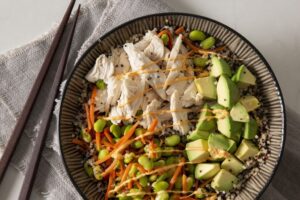
- Breakfast: Greek yogurt with chia seeds and berries
- Mid-morning: Protein shake or two boiled eggs
- Lunch: Grilled fish or turkey over leafy greens with olive oil
- Dinner: Salmon, roasted vegetables, and a small portion of quinoa
This approach prioritizes satiety without overwhelming your appetite or digestive system.
Ozempic diet products
Using CGM Feedback to Protect Muscle
Many people now use Continuous Glucose Monitor (CGM) hacks to fine-tune their response to food. While GLP-1s already regulate blood sugar, CGM data can help you see which meals support steady energy without spikes.
Stable glucose patterns often correlate with better muscle retention and fewer fatigue crashes, especially when calories are low.
Managing Side Effects
Side effects like nausea and early fullness can interfere with consistent protein intake. Adjustments help.
Cold foods often reduce nausea. Liquids are easier than solids when appetite disappears. Hydration matters more than you think. Muscle tissue depends heavily on water, and dehydration worsens fatigue and cramps.
If symptoms persist, nutritional consistency matters more than variety.
Diet Alone Is Not Enough
Even the best diet cannot preserve muscle without a signal to keep it. Resistance training provides that signal. Two or three sessions per week using bands, bodyweight, or light weights are enough to tell your body that muscle is still needed.
Without this input, your system will continue breaking it down regardless of protein intake.
Conclusion
GLP-1 medications are powerful, but they work best when paired with intention. A muscle-focused, protein-first diet protects your metabolism, your strength, and your long-term results.
The best diet plan for preserving muscle mass on GLP-1 meds is not extreme or restrictive. It is strategic, nutrient-dense, and built around respect for how your body adapts to change. That balance is what turns short-term weight loss into lasting health.