PDRN Polynucleotide Therapy for Advanced Skin Repair
polynucleotide treatment
A few years ago most skin treatments were about surface fixes. Creams, fillers, or peels mainly tried to smooth the skin or make it look more hydrated. In 2026 the conversation in dermatology is starting to move somewhere else. Instead of only covering up damage, doctors are trying to help the skin repair itself.
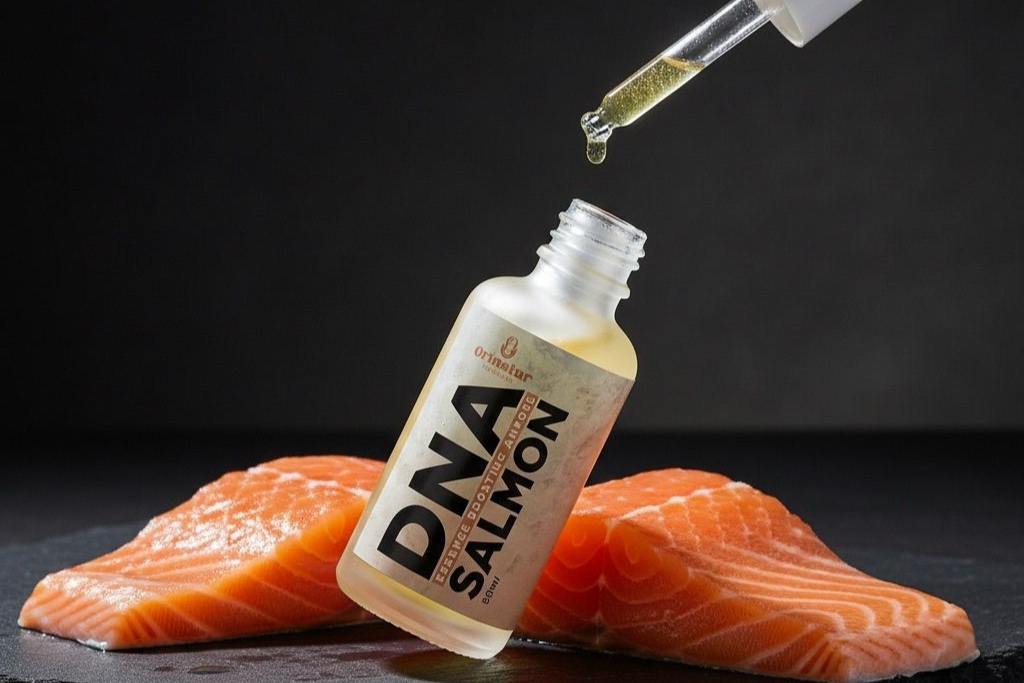
One treatment that keeps coming up in clinics is PDRN skin treatment. You might have heard it described in a strange way online as a “salmon DNA facial.” The name sounds odd, but behind it there is a real medical concept. This treatment uses purified salmon DNA fragments to help trigger cellular repair in the skin. In other words, it’s less about cosmetics and more about regeneration.
That shift is why many specialists now connect PDRN with regenerative medicine and the growing trend of bio-regenerative aesthetics.
Why Salmon DNA Is Used
PDRN stands for polydeoxyribonucleotide. It refers to small fragments of DNA, also called polynucleotides, that are extracted and purified from salmon cells.
At first you might wonder why salmon are used at all. The reason is surprisingly practical. Salmon DNA has a high level of similarity to human DNA. Because of this, when these polynucleotides are introduced into human tissue, the body usually accepts them without reacting as if they are harmful.
Once inside the skin, the molecules act almost like biological signals. They interact with pathways involved in inflammation and tissue repair. Instead of simply filling space like some cosmetic treatments, PDRN encourages the skin to start rebuilding itself.
This is why many dermatologists describe it as a form of medical-grade skin repair.
How PDRN Helps the Skin Heal
One reason the treatment gained attention is its earlier use in medicine. PDRN has been used to support wound healing and tissue recovery in clinical settings.
In the skin, these polynucleotides interact with receptors that help control inflammation and tissue growth. When those pathways activate, several things may start happening in the skin:
- inflammation levels may calm down
- collagen production can increase
- damaged tissue may begin rebuilding
- the skin barrier can strengthen
Because of this process, the Salmon DNA benefits are often discussed in connection with acne scars, thin skin, and irritation caused by environmental damage.
Some specialists even describe the treatment as a kind of bio-reset skin repair, since it tries to push the skin back into a healthier repair cycle.
Polynucleotides vs Hyaluronic Acid
Most people are already familiar with hyaluronic acid treatments. These products have been widely used for years in medical aesthetics because they hydrate the skin and create temporary plumping.
But when you compare polynucleotides vs hyaluronic acid, the goal is different.
Hyaluronic acid mainly works by holding water in the skin. This helps smooth lines and improve volume for a period of time.
Polynucleotides such as PDRN are more focused on cellular bio-regeneration. They aim to improve the condition of the skin itself rather than simply filling or hydrating it.
You could think of it like this:
- Hyaluronic acid gives quick visible volume
- PDRN works more slowly but supports deeper repair
Because of that, polynucleotide therapy is sometimes used for more complex concerns like scarring or fragile skin that needs rebuilding.
Why Microneedling Is Often Combined With PDRN
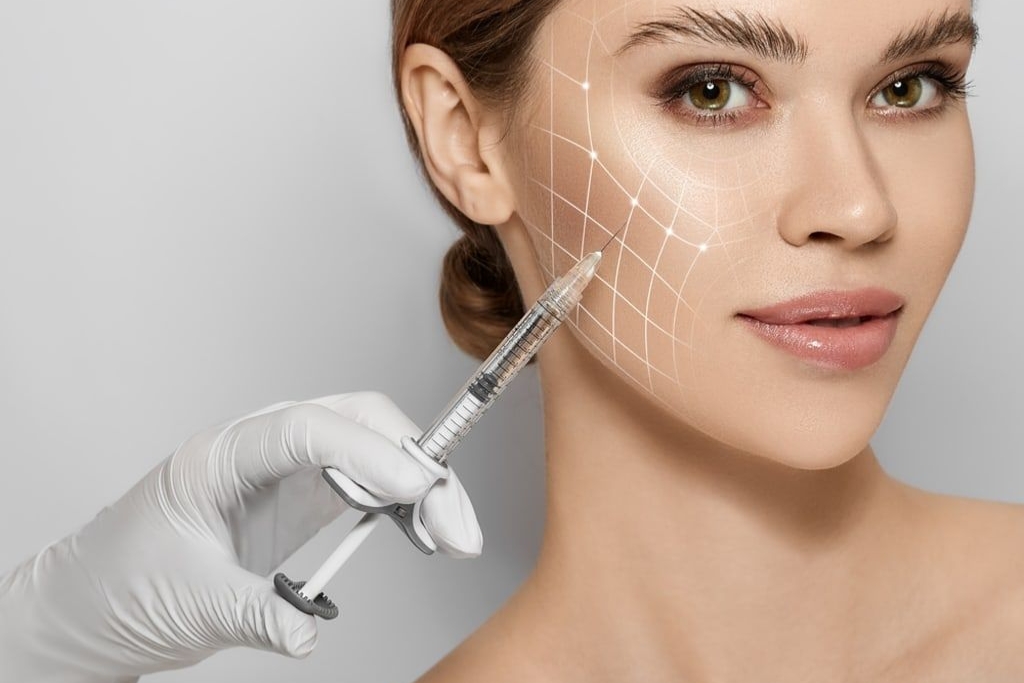
Many clinics deliver PDRN skin treatment in 2026 through microneedling. This technique uses small needles to create tiny controlled injuries in the skin.
The purpose isn’t damage. These micro-channels trigger the body’s natural healing response. At the same time, they allow the PDRN solution to reach deeper layers of tissue.
The combination is often described as salmon DNA microneedling for chronic inflammation and scarring because both parts of the procedure work together. The microneedling activates the repair process, while the polynucleotides provide materials that support that repair.
Over time, patients may notice improvements in texture, elasticity, and overall skin strength.
salmon DNA facial
The Rise of Bio-Regenerative Aesthetics
The growing interest in PDRN reflects a larger trend in dermatology. Many people are moving away from treatments that dramatically change facial appearance. Instead, they are interested in therapies that improve how skin behaves biologically. This movement toward bio-regenerative aesthetics focuses on strengthening the skin’s natural functions.
Treatments based on regenerative medicine are now being explored for several situations, including:
- acne scarring
- inflammation and redness
- fragile or thinning skin
- recovery after procedures
The goal is not to freeze or dramatically reshape the face. It’s to help the skin repair itself and function more normally.
Safety and Medical Supervision
Even though the treatment is widely discussed in cosmetic clinics, PDRN therapy is still considered a medical procedure.
The polynucleotides used in treatment are highly purified, so proteins and other substances are removed. This lowers the risk of allergic reactions, even though the material originally comes from fish.
Still, medical-grade skin repair treatments should always be performed by trained dermatology professionals. They can evaluate whether the therapy is appropriate and determine how many sessions are needed.
Like many regenerative treatments, the results tend to appear gradually rather than immediately.
Conclusion
PDRN therapy shows how modern skincare is slowly becoming more medical. Instead of focusing only on surface improvements, dermatology is starting to look at ways to support the body’s own repair systems.
Using fragments of salmon DNA, this treatment aims to trigger cellular repair, reduce inflammation, and help damaged tissue rebuild over time. While it may sound unusual at first, the approach reflects the growing interest in polynucleotides in 2026 and regenerative treatments in dermatology.
For you as a patient or someone exploring new skincare options, the main takeaway is simple. Treatments like PDRN are not just about making skin look smoother. They are part of a larger shift toward helping the skin actually heal itself.