Starting the Gym in 2026 With a ChatGPT Workout Plan
AI fitness coach
You don’t always notice lifestyle changes when they happen. Sometimes they sneak up quietly. For you, it might start with something small like reaching for fruit instead of chips or skipping the couch scroll in favor of a walk. This process started with a small feeling that 2026 needed to look different, not with a big change.
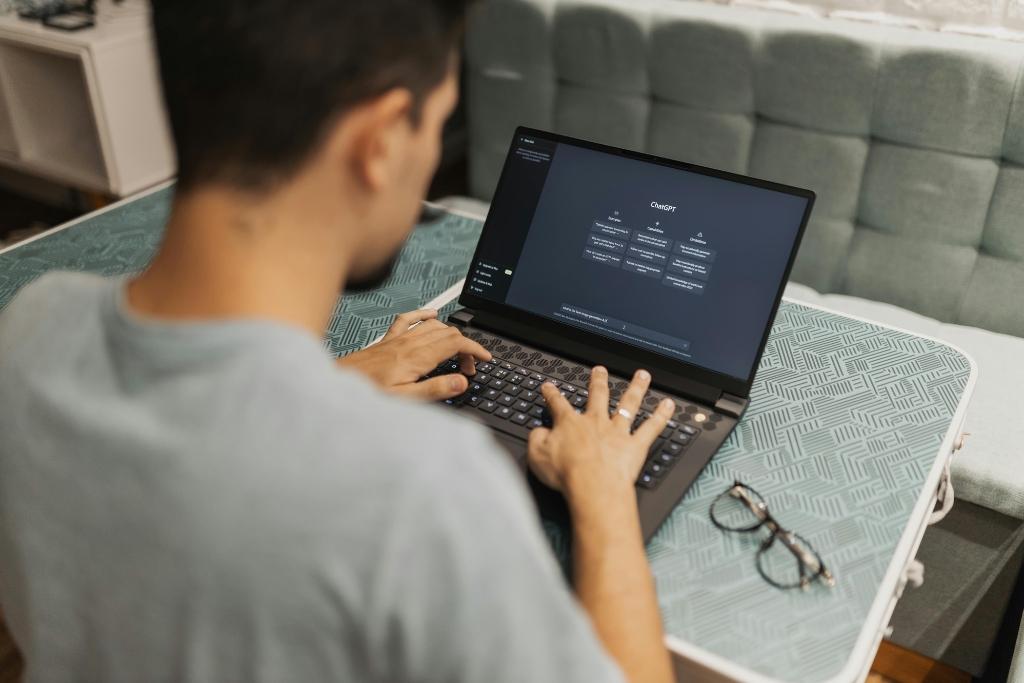
You chose to do something instead of making another nebulous commitment to “get healthier.” The issue wasn’t drive; it was a lack of direction. It might be hard to go to the gym without a plan, especially if you just want to make a habit that stays instead of losing a lot of weight or training for HYROX. So you asked ChatGPT to make a training schedule for beginners that didn’t presume you were already fit.
Surprisingly, it worked
Why the plan didn’t scare me but seemed real
The strategy worked because it was structured, not because it was intense. The program was based on Hybrid Fitness concepts, which combine strength training with basic cardio and allow for rehabilitation. The idea wasn’t to become tired quickly, but to make things consistent, which is something that novices typically miss.
The outline was simple:
- Three workouts per week
- Full-body sessions
- Each workout under an hour
- Rest days built in
That alone lowered the mental barrier. You weren’t being pushed toward biohacking, cold plunge protocols, or peptides like BPC-157. Instead, the emphasis was on showing up, learning movement, and protecting your healthspan over time.
Your First Workout Didn’t Feel Like Punishment
On your first gym day, the routine focused on foundational movements, squats, presses, pulls, hinges, and core stability. Nothing fancy. Nothing extreme. Just exercises designed to wake up muscle groups that play a role in daily life.
What stood out was the pacing. Rest periods were realistic. Reps were manageable. There was no need to carry big things or chase after ache. This kind of thinking fits in nicely with present Longevity 2026 ideas, which see strength as a sign of health rather than a sign of vanity. Strength is no longer only about looks; it’s also about safeguarding your biological age.
Even exercise was framed in a nice way. The strategy didn’t call for high-intensity intervals; instead, it called for LISS and Zone 2 cardio, which are steady movements that are good for your heart health without using up your recovery reserves.
Motivation Was Simple, Not Hype
This is when things changed in my mind. The strategy didn’t depend on hype or false motive. Instead, it focused on stacking habits, or combining workouts with things you already did. Gym after work. Stretching before bed. Walking on rest days.
That mindset matters. You stop seeing workouts as a separate chore and start integrating them into daily life. This is where AI Health Coaches can actually help, not by replacing trainers, but by removing friction for beginners.
The plan also introduced recovery rituals without overwhelming you:
- Stretching on rest days
- Gentle somatic movement
- Sleep consistency
- Light mobility work for joint health and mobility
No infrared sauna blankets required. No epigenetic testing necessary. Just basic care that supports long-term progress.

Beginner workout plan
How Recovery Became Part of the Routine
One unexpected benefit was how recovery was treated as essential rather than optional. You weren’t told to “push through” soreness. Instead, recovery was framed as the reason progress happens.
Simple habits made a difference:
- Walking on off days
- Light Wall Pilates-style mobility work
- Breathing exercises to downshift your nervous system
These choices support joint health, reduce injury risk, and improve adherence, which matters far more than intensity when you’re starting out.
Why This Approach Actually Works for Beginners
This kind of plan works because it respects where you are. It doesn’t assume access to Prenuvo whole-body scans or advanced biohacking tools. It doesn’t pressure you to optimize every metric. It simply helps you move, recover, and return.
That’s what builds momentum.
You begin to associate the gym with confidence instead of anxiety. You leave feeling accomplished rather than defeated. Over time, that consistency supports metabolic health, strength retention, and overall resilience.
Conclusion
The real success of asking ChatGPT for a beginner workout plan wasn’t the exercises themselves. It was how the plan reframed fitness. Movement became approachable. Progress felt achievable. And for the first time in a long time, going to the gym didn’t feel like a chore.
In a world full of extreme fitness trends and overcomplicated health advice, sometimes the smartest move is the simplest one. Start where you are. Move consistently. Recover intentionally. Let the habit build the results, not the other way around. That’s how you actually show up. And in 2026, that might be the most powerful health upgrade you can make.