The Most Important Symptoms of Appendicitis Explained

Abdominal pain warning signs
You may hear about appendicitis often, but only a small percentage of the population ever experiences it. Even so, when it happens, it’s a medical emergency you can’t afford to overlook. The condition affects people of all ages but tends to be more common in children and teens. Because appendicitis can escalate quickly, recognizing the early signs becomes an important part of your Preventive Wellness approach — especially if you care about protecting your long-term healthspan.
Your appendix is a small, finger-shaped pouch attached to the start of your large intestine. You don’t need it for digestion or survival, which is why removing it doesn’t affect your overall health. What makes appendicitis dangerous is not the organ itself, but the infection that develops when it becomes blocked. If that infection spreads, it can affect your entire abdominal cavity, leading to complications that require rapid intervention.
How Appendicitis Starts
Appendicitis begins when the opening of your appendix becomes obstructed. The blockage can happen for different reasons, and it isn’t always possible to pinpoint the exact cause. Sometimes stool can enter the appendix and create a buildup of bacteria. Because this area of the intestine is where stool changes from liquid to solid, bacterial growth can escalate quickly.
Once the appendix is blocked, inflammation follows. The swelling cuts off blood flow, making it easier for infection to build. This process can take place within hours, which explains why appendicitis often comes on suddenly. When treated promptly, recovery is straightforward and much easier on your body, a reminder of why early recognition is a core part of any Personalized Health or Proactive aging strategy.
Early Warning Signs You Should Watch For
Appendicitis rarely appears without symptoms. The condition follows a pattern, and understanding that progression helps you respond sooner.
- Pain near your belly button or upper abdomen that feels sharper than usual, often described as a deep, unfamiliar ache
- Pain that intensifies and shifts to the lower right side of your abdomen
- A drop in appetite and low energy
- Nausea or an unsettled stomach
- Trouble passing gas, constipation, or sometimes diarrhea
- A mild fever that may reach 102 degrees Fahrenheit
These symptoms together are a warning sign. If the discomfort abruptly goes away, it might signal that the appendix has burst, which needs emergency medical attention. If your symptoms keep getting worse, especially near the end of this list, it’s very important that you get to a hospital at once. Looking at early signs from the perspective of Preventive Wellness can help you prevent problems and stay stronger throughout the winter immune season, when diseases tend to spread more quickly.
How to Treat Appendicitis
Surgery to remove the appendix is the most common way to treat appendicitis. An appendectomy is the name of the operation. It can be done with regular surgery or with a minimally invasive method called laparoscopy. Laparoscopy employs small cuts and a fiber-optic tool, which usually makes recuperation easier and faster. This is a big plus when you want to keep your routine, sleep cycle, and circadian rhythm in check.
Some medical institutes also look at using antibiotics as the main treatment for appendicitis that is still in its early stages. There is no need for surgery with this method, and you may be able to move again in a day. But it’s not right for every instance, especially when there’s a chance of a rupture.
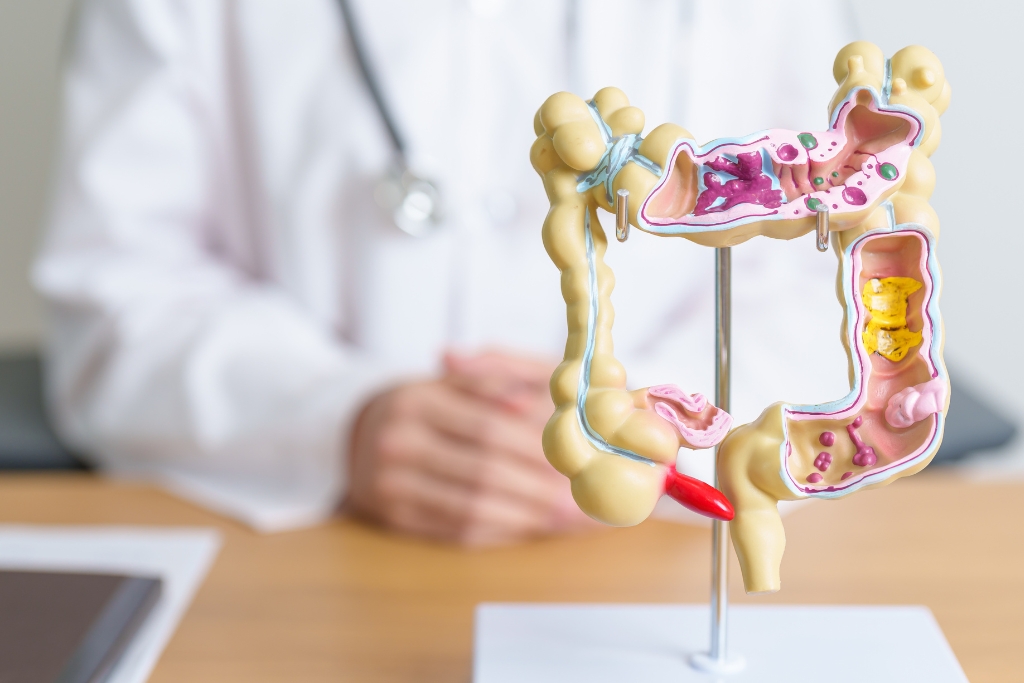
Appendicitis early symptoms
When the Appendix Bursts
A delayed response to symptoms can lead to a rupture. When this happens, the infection inside the appendix spills into the abdominal cavity. You may feel a sudden improvement in pain at first, but this is quickly followed by severe illness as infection spreads.
A ruptured appendix can cause sepsis, which is a life-threatening response to infection. Treatment becomes more complicated, often requiring hospital admission, drainage of the infected area, and strong antibiotics. Surgery is postponed until your body stabilizes, usually several months later. This scenario highlights why appendicitis is not something to ignore — especially when your goal is to support long-term vitality, cellular health, and a balanced Longevity Lifestyle.
Surgery After a Rupture
If the appendix has already burst, surgeons typically wait about six months before performing an interval appendectomy. By this point, inflammation has settled, and surgery becomes safer. Laparoscopic removal is standard, and antibiotics are used to treat or prevent peritonitis, an infection affecting the lining of your abdominal cavity.
Staying Alert Protects Your Health
You can’t prevent appendicitis, but you can protect yourself by paying attention to early symptoms and seeking help quickly. When addressed promptly, appendicitis is treatable with a short recovery time. When ignored, it can escalate into a more severe medical emergency.
In a world where you’re encouraged to focus on proactive health habits — from mindful nutrition to understanding your oral microbiome and planning for the future with tools like epigenetic testing—recognizing symptoms early is one of the simplest and most effective forms of self-care. Your response time can make all the difference, helping you stay healthier and better prepared for whatever comes next.