The Quiet Kidney Disease You May Not Notice

The kidney inflammation
Kidney diseases don’t always announce themselves loudly. Some develop quietly, damaging the organs over time before symptoms ever appear. IgA nephropathy often called Berger’s disease is one such silent condition. Once thought to be mild, doctors now know it can cause lasting kidney damage if not detected early.
Understanding what it is, how it develops, and how to manage it is key to protecting your kidney health and overall longevity.
What Is IgA Nephropathy?
IgA nephropathy is an autoimmune disorder that affects your kidneys’ filtering units. It occurs when a type of antibody called immunoglobulin A (IgA) builds up in the kidneys. These antibodies are meant to protect you from infections, but in this condition, they behave abnormally and trigger inflammation.
Over time, this inflammation can scar kidney tissue, making it harder for your kidneys to filter waste and excess fluid from your blood. While it’s considered rare, IgA nephropathy is actually one of the most common causes of chronic kidney inflammation worldwide; many people simply go undiagnosed for years.
The exact cause isn’t fully understood. Genetics seem to play a role, and in some families, the condition appears to be hereditary. Environmental factors, such as certain infections or immune triggers, may also contribute.
How to Detect a Silent Condition
One of the challenges with IgA nephropathy is that it often shows no obvious signs early on. In many cases, it’s discovered accidentally through routine lab work.
Common clues include:
- Protein in the urine, which can make urine appear foamy.
- Microscopic blood in the urine, visible only under a microscope.
- Occasionally, visible blood in urine following a respiratory or digestive infection.
Because symptoms are so subtle, the disease can progress unnoticed. A kidney biopsy—where a small tissue sample is taken for microscopic examination is the only definitive way to confirm a diagnosis.
Regular checkups and basic urine tests are simple steps that support preventive care and can help detect issues before they become serious.
Modern Treatments and Medical Advances
In the past, doctors could only manage symptoms of IgA nephropathy. Today, treatments are more precise and effective at slowing or even halting kidney damage.
Four major therapy types are currently in use or near approval in the United States:
- Targeted steroids: These low-dose medications work directly in the gut to calm the immune response that triggers abnormal IgA production. Because they’re locally absorbed, they carry fewer side effects than traditional steroids.
- Endothelin-system modulators: This new class combines blood pressure medicine with drugs that reduce a specific protein system linked to kidney injury.
- Complement-system modulators: These therapies interrupt an immune process that causes inflammation in the kidneys. Some are already available under accelerated approval.
- B-cell modifying drugs: Still in development, these target the immune cells responsible for producing faulty antibodies. Early results show promise in controlling disease progression.
These innovations reflect the growing role of personalized wellness and biohacking medicine, where treatments are increasingly designed around an individual’s immune and genetic profile.
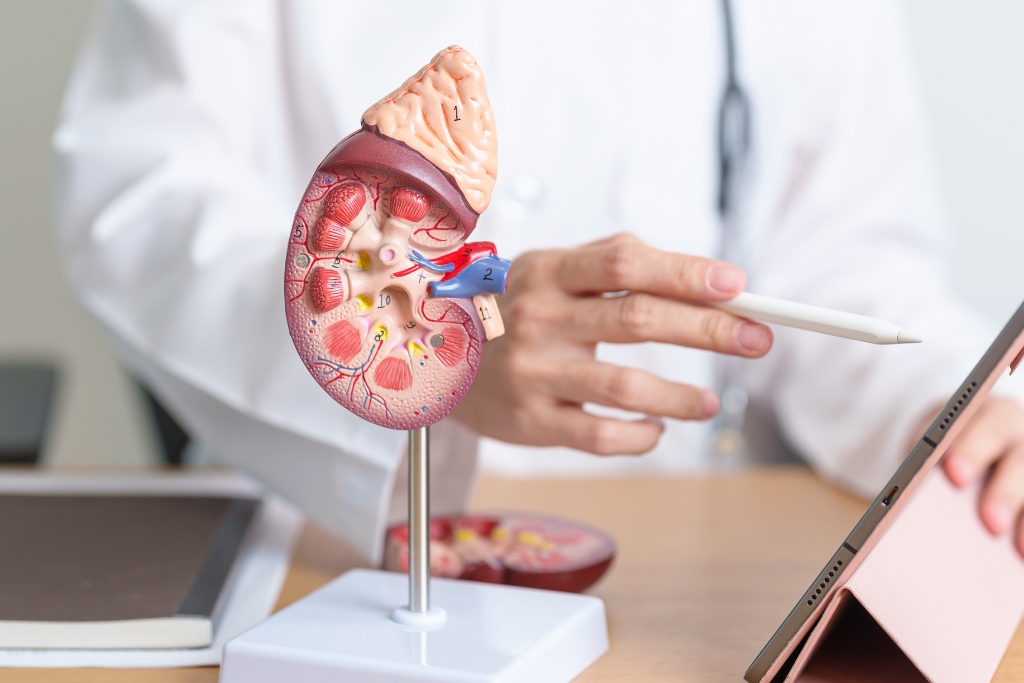
chronic kidney disease
Supporting Kidney Health Through Lifestyle
Alongside medical treatment, lifestyle changes can make a major difference. You can help protect your kidneys and overall healthspan with these steps:
- Keep blood pressure under control: High blood pressure accelerates kidney decline. Regular monitoring and medication (if prescribed) are essential.
- Limit sodium: Reducing salt intake helps lower blood pressure and decrease protein levels in urine.
- Watch cholesterol and heart health: Kidney disease and heart disease are closely connected, so maintaining cardiovascular health supports both.
- Avoid smoking: Smoking increases oxidative stress and worsens inflammation in kidney tissues.
- Maintain a healthy weight: Extra weight puts strain on the kidneys and can raise blood pressure.
- Consider dietary adjustments: If you’re sensitive to gluten or have related digestive issues, avoiding gluten can help, since gluten can trigger immune reactions in some people with IgA nephropathy.
Small, consistent habits like these build a foundation for holistic health and healthy aging, both of which directly support kidney function over time.
Why Early Detection Matters
In the past, doctors assumed that people with mild IgA nephropathy could remain stable for years. We now know that’s not always the case. Even patients with relatively low protein levels in their urine can develop kidney failure later in life.
Roughly one in three people with the condition will eventually experience end-stage kidney disease, requiring dialysis or transplantation. That’s why early intervention is so important. The earlier you catch the problem, the better your chances of preserving your natural kidney function for life.
If you notice any changes in your urine or experience unexplained fatigue or swelling, ask your doctor for a kidney evaluation. Simple steps like preventive screening and annual urinalysis can make a huge difference.
Conclusion
IgA nephropathy may be a silent disease, but it’s not invisible, especially if you know what to watch for. With newer treatments, careful monitoring, and lifestyle awareness, people can live long, healthy lives with well-managed kidney function.
Think of kidney care as part of your broader wellness plan. Whether through circadian rhythm optimization, a nutrient-rich diet, or mindful preventive care, protecting your kidneys is an investment in your healthspan, not just your lifespan.