The Rise of Scalp-Focused Hair Wellness Routines
hair wellness routine
For years, hair care focused almost entirely on what you could see—shine, smoothness, and length. Shampoos promised instant gloss, conditioners chased softness, and styling products masked deeper problems. What was ignored was the place where all of this begins: your scalp. Today’s grooming and hygiene conversation has shifted in a more thoughtful direction. Instead of treating hair like a surface problem, the focus is now on scalp health as the foundation of real hair wellness.
This shift isn’t cosmetic. It’s biological. Your scalp is living skin, complete with its own microbiome, barrier function, and immune responses. When that environment is supported, hair grows stronger, looks healthier, and behaves better. When it’s stressed, everything downstream suffers.
Why the Scalp Became the Priority
Your scalp functions much like soil in a garden. Healthy soil supports strong roots; damaged soil limits growth no matter how much you water the plant. In grooming terms, the scalp microbiome is a delicate balance of beneficial bacteria that regulate oil production, manage inflammation, and protect hair follicles.
Disrupt that balance—through harsh detergents, hard water buildup, pollution, or constant product layering—and you begin to see the consequences. Flaking, excess oil, sensitivity, hair thinning, and dullness aren’t random issues. They’re signs that the scalp barrier needs attention.
That’s why scalp care in 2026 looks far more like skincare than traditional hair care. This “skinification of hair” treats the scalp as facial skin, not an afterthought.
From Harsh Cleansing to Microbiome-Friendly Care
Old routines relied on stripping the scalp clean, assuming oil was the enemy. The newer approach is more supportive. Instead of aggressive cleansing, products now aim to protect and feed the scalp ecosystem.
Prebiotic shampoo plays a central role here. Rather than wiping out bacteria, these formulas support beneficial microbes, helping your scalp regulate itself. When paired with consistent care, they reduce irritation while improving long-term hair quality.
Another major change is the rise of the scalp facial. This isn’t a luxury trend—it’s functional hygiene. Gentle exfoliation removes buildup without damaging the barrier, allowing follicles to breathe and treatments to absorb properly.
What a Modern Scalp Routine Actually Includes
A scalp-first routine doesn’t require a crowded shelf. It requires smarter choices. Most people benefit from a few targeted products used consistently:
- Prebiotic shampoo to support a microbiome-friendly cleanse
- Scalp serum with niacinamide to calm inflammation and strengthen the scalp barrier
- Salicylic acid scalp tonic to dissolve buildup without physical abrasion
- Peptide dry shampoo for oil control that doesn’t clog follicles
For those dealing with thinning or chronic scalp stress, newer treatments like exosome scalp therapy are gaining attention. These focus on cellular signaling to support follicle activity and recovery, rather than masking symptoms.
scalp massage benefits
Grooming Tech Enters the Scalp Space
Hair wellness is no longer just about products. Technology has become part of daily grooming hygiene.
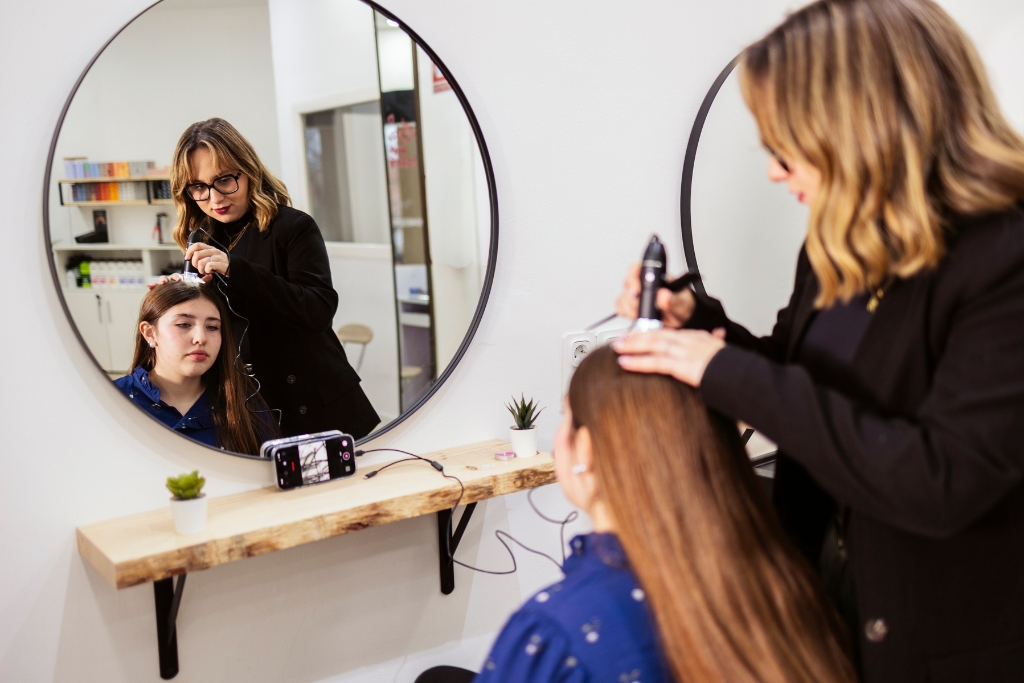
Blue light hair combs are one example. Designed to reduce bacteria while improving circulation, these tools are often used alongside scalp serums to enhance absorption. While not essential for everyone, they reflect a growing interest in precision grooming.
Hard-water defense has also become unavoidable. Mineral-heavy water interferes with cleansing and contributes to scalp imbalance. Filtered shower systems are now considered basic hygiene tools, especially in urban environments where water quality varies widely.
Scalp Health Reflects Whole-Body Stress
One reason scalp care has become popular is that it is easy to see. Your scalp indicates stress early on, unlike many other health markers. If you have high cortisol levels, trouble sleeping, or chronic stress, you may also have persistent itching, redness, or hair loss.
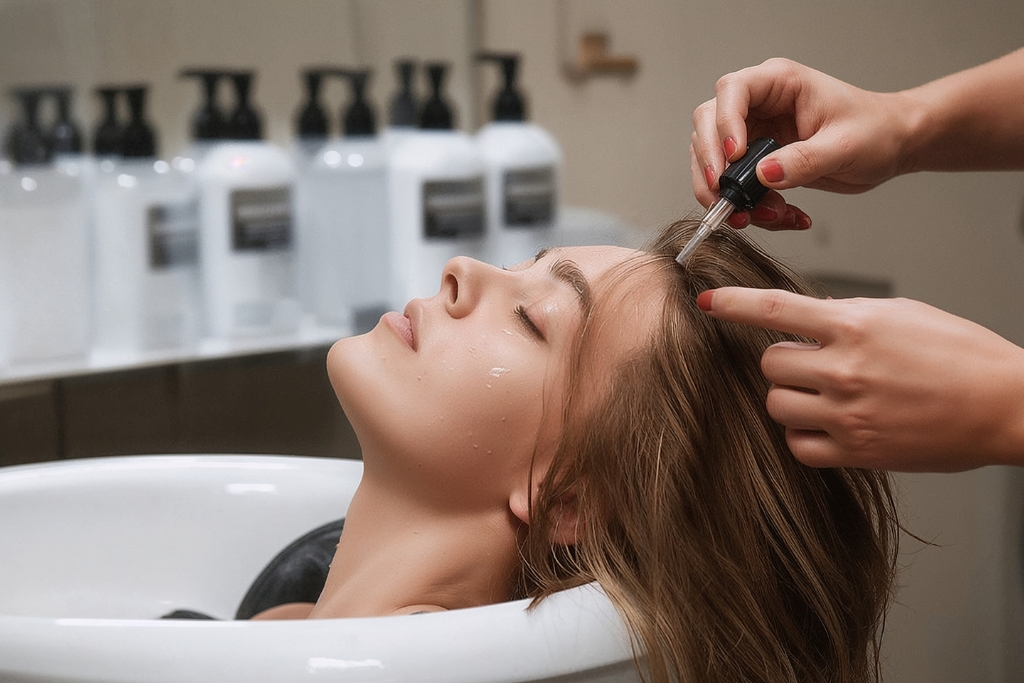
Simple things you can do every day, like a quick scalp massage, can help your circulation and nervous system work better. This form of touch-based treatment may also assist in triggering relaxation responses, turning scalp cleanliness into a part of self-care instead of just a beauty task.
Why Hair Wellness Is Replacing Quick Fixes
The biggest change isn’t the products—it’s the mindset. Hair wellness puts persistence ahead of quick results. It knows that healthy skin needs time, balance, and protection in order to create healthy hair.
You are no longer trying to get shine by putting on silicone layers. Instead, you are helping growth by fixing barriers and keeping the microbiome stable. You’re not just covering up oil; you’re teaching the scalp how to control itself.
Better Hair Starts Below the Surface
If there’s one lesson modern grooming keeps reinforcing, it’s this: hair doesn’t fail on its own. It responds to the environment it grows from. When you treat your scalp with the same respect you give facial skin—cleansing gently, feeding what’s alive, and protecting the barrier—you set the stage for lasting results.
The scalp-first approach isn’t about doing more. It’s about doing the right things, consistently. When the soil is healthy, the hair follows.