What Your Sleeping Position Reveals About Your Health

sleep quality improvement
Sleep is one of the most overlooked pillars of long-term health. While you rest, your body isn’t shutting down; it’s actively repairing tissues, regulating hormones, stabilizing blood sugar, and supporting cardiovascular function. Over time, the quality of your sleep can influence everything from metabolism and immunity to heart health and overall healthspan.
What often gets less attention is how you sleep. Your sleep position plays a quiet but meaningful role in how efficiently your body carries out these overnight processes. Certain positions can support breathing, circulation, and spinal alignment, while others may interfere with them, especially if you already have underlying health concerns.
Why Sleep Position Matters More Than You Think
Your body’s systems are deeply connected during sleep. Blood flow, oxygen levels, and nerve signaling all respond to posture. When alignment is off, even slightly, it can place unnecessary strain on your heart, lungs, and muscles.
From a preventative health perspective, optimizing sleep posture is a low-friction prevention strategy. It does not require medication, expensive treatments, or extreme biohacking. It is simply about working with your body instead of against it—something increasingly emphasized as people focus on longevity 2026 goals and sustainable health improvements.
Side Sleeping and Back Sleeping
For many people, supported side sleeping and back sleeping offer the most benefits. These positions generally allow for better spinal alignment and less compression on internal organs.
Side sleeping, particularly when well-supported, can help keep airways open and reduce nighttime breathing disruptions. This is especially relevant if you deal with snoring or mild sleep-related breathing issues. Side sleeping can also support digestion and circulation, which plays a role in metabolic balance.
Back sleeping can be helpful for spinal and neck alignment when done correctly. When your head, neck, and knees are supported, this position can reduce unnecessary strain and allow your muscles to fully relax. Your ideal position depends on your body and health history, but many people notice improvements in comfort and sleep quality when they move away from stomach sleeping.
When Medical Context Changes the “Best” Position
There is no single perfect sleep position for everyone. Your body’s needs matter.
If you deal with chronic neck or back discomfort, back sleeping with proper support may reduce muscle tension. If breathing issues are a concern, side sleeping is often more supportive, even if you use assistive devices. During pregnancy, sleeping on your side, particularly the left, helps reduce pressure on major blood vessels, supporting circulation for both you and the developing baby.
If you track sleep metrics using AI health trackers or wearable devices, you may notice changes in heart rate variability or oxygen levels depending on sleep position. These small differences can add up over time, influencing overall healthspan.
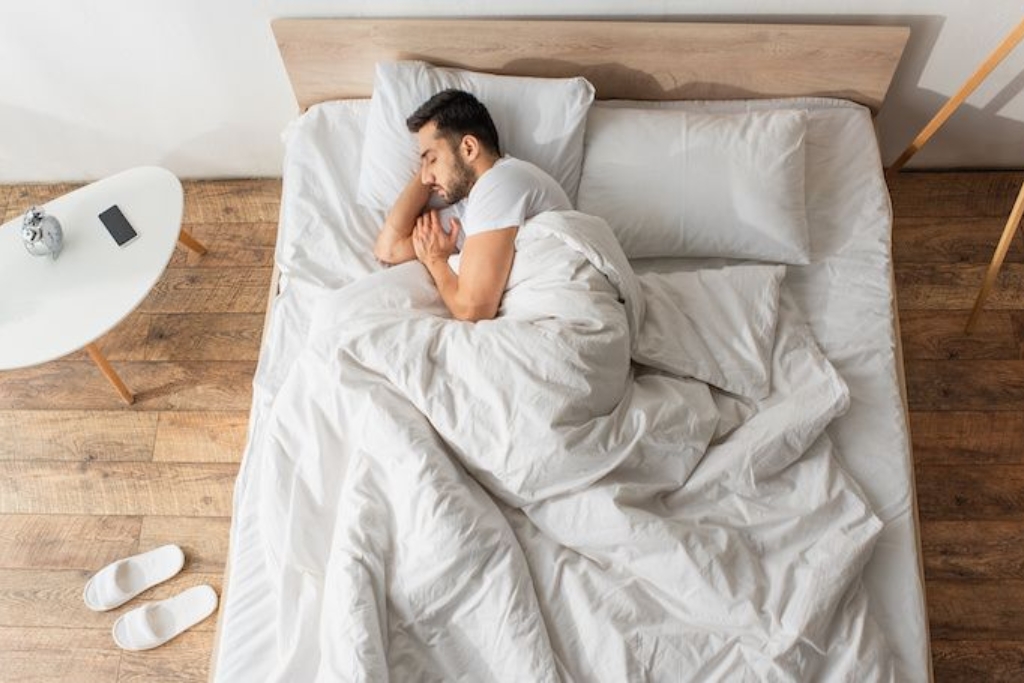
sleep positions and health
Positions That May Work Against Your Health
Some sleep positions place extra stress on the body. Sleeping flat on your back can worsen breathing problems in certain individuals, especially if airways collapse during sleep. Elevating the head can help reduce this risk.
Stomach sleeping is generally the most problematic. It forces the neck into rotation for hours, compresses the spine, and can strain the shoulders and lower back. Over time, this position may contribute to persistent discomfort and poor sleep quality. While these effects may feel minor night to night, they matter when you consider long-term metabolic health and cardiovascular strain.
Training Yourself to Sleep Better Takes Time
Changing how you sleep is not easy. Your body has habits, and retraining them takes patience. Most people need several weeks to adjust.
Supportive tools can make the transition smoother:
- Placing a pillow between your knees can help maintain spinal alignment while side sleeping
- Supporting your lower back or knees can make back sleeping more comfortable
- Starting the night in your preferred position helps reinforce new habits, even if you move later
Some people use positional aids or mattress adjustments to discourage rolling into less supportive positions. Even simple changes can make a noticeable difference over time.
Sleep Position and the Future of Health Tracking
As interest grows in biological age testing, sleep data is becoming more meaningful. Wearables such as WHOOP vs Oura Ring 4 comparisons highlight how posture can influence overnight recovery metrics.
While tools like Continuous Glucose Monitors (CGM) and sleep trackers cannot change sleep posture for you, they can help you recognize patterns. If your heart rate or recovery scores improve with a certain position, that feedback can guide healthier habits.
Sleep position may not be as flashy as NAD+ patches or advanced biohacking trends, but it remains one of the most practical, accessible ways to support long-term health.
Conclusion
Your sleep position may seem like a small detail, but over time, it shapes how well your body recovers, breathes, and regulates vital systems. Supporting your spine, improving airflow, and reducing overnight strain can benefit heart health, metabolism, and overall resilience.
As you think about how to use AI wearables to track your 2026 health resolutions, remember that technology works best when paired with simple, intentional habits. Adjusting how you sleep is one of the most effective—and underestimated—ways to protect your health while doing absolutely nothing at all.