Why Blue Light Blocking Alone Cannot Fix Your Sleep Cycle
blue light effects
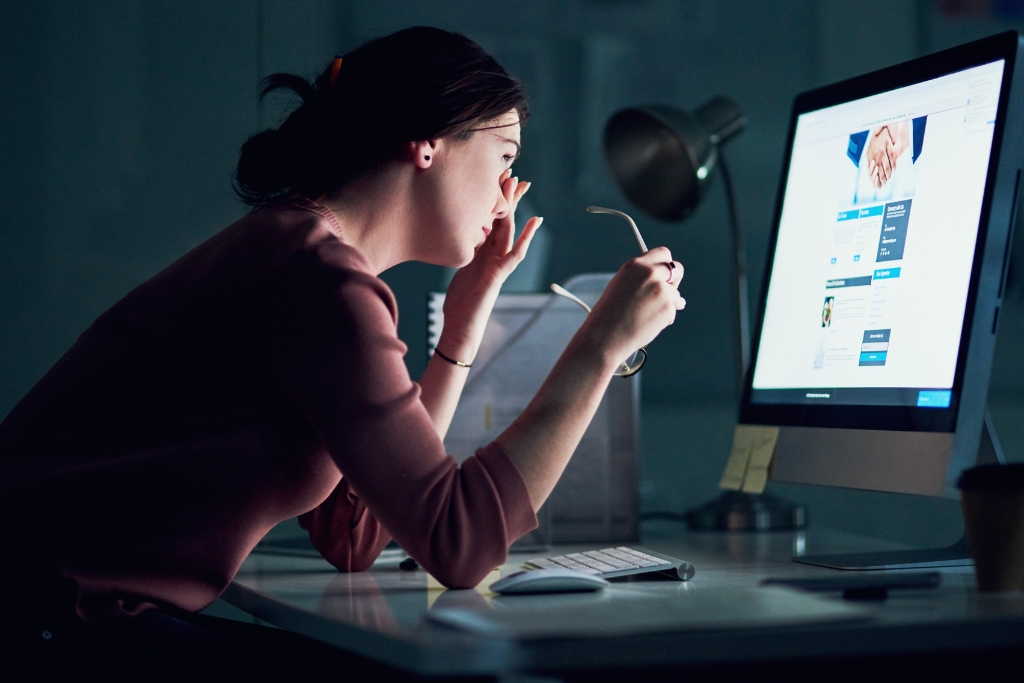
For years, you’ve probably heard the same advice about sleep and screens: avoid blue light at night. People bought special glasses, turned on night filters on their phones, and tried to keep screens away from their eyes before bed. But things are starting to shift a little in 2026. Researchers studying sleep and chronobiology 2026 are realizing that the problem isn’t just blue light itself. The real issue is when your body gets exposed to light.
Instead of treating light like the enemy, scientists are now focusing on something called circadian syncing. Your body already has a natural circadian rhythm that controls your sleep cycle, energy levels, and even hormones like melatonin and cortisol. Light plays a huge role in keeping that rhythm steady. When light exposure happens at the wrong time, your internal clock gets confused. But when it happens at the right time, it can actually help reset your body.
Your Brain’s Built-In Timekeeper
Inside your brain there’s a small group of cells called the Suprachiasmatic Nucleus, often shortened to SCN. It acts like the master clock for your body. This clock tells your body when to wake up, when to feel sleepy, and when certain hormones should rise or fall.
This internal system keeps your circadian rhythm running smoothly when it receives the right signals. The strongest signal it uses is light. Natural daylight tells your brain that it’s time to stay alert. Darkness tells it to start preparing for sleep.
The problem is that modern life often sends mixed signals. Bright screens late at night, indoor lighting that never really changes, and inconsistent schedules can throw off the rhythm your brain depends on.
So while blue light from devices isn’t harmless, the bigger issue is how your light exposure is timed during the day.
Thinking About Light as “Light Nutrition”
A useful way to understand this new approach is something researchers call light nutrition. The idea is that light works a bit like food for your body’s clock. Just like eating heavy meals at 3 a.m. can confuse your metabolism; the wrong kind of light at night can confuse your sleep signals.
Your body needs bright light during the daytime and softer light later in the evening. When that balance is off, your internal rhythm can drift out of sync.
Using the right pattern of light helps support a circadian rhythm reset, improves your natural sleep hygiene, and can make falling asleep easier.
Why Morning Sunlight Is So Important
One of the easiest ways to support your circadian rhythm is also the most natural one. Get outside in the morning.
Exposure to sunlight soon after waking sends a strong signal to your brain that the day has started. This light triggers a healthy rise in cortisol, which is the hormone that helps you feel alert and focused.
This isn’t the same stress cortisol people often worry about. In the morning it’s actually a helpful signal. It wakes up your body and sets a timer for melatonin release later at night.
These morning sunlight benefits can also support brain health, improve mood, and make your sleep timing more predictable. Even about ten minutes of outdoor light in the morning can help reinforce your body’s rhythm.
Evening Light and Neural Dimming
As evening approaches, your body expects light levels to fall. When your environment stays bright late into the night, it can delay the release of melatonin and make sleep harder.
This is where new lighting technology is starting to help.
Some homes now use smart home health lighting systems designed to follow natural daylight patterns. Instead of just dimming lights, these systems gradually shift toward warmer tones as night approaches.
This process is sometimes called neural-dimming technology. It removes the wavelengths of light that strongly affect melatonin while keeping the room comfortable enough to see clearly.
This type of lighting can help support deep sleep optimization without forcing you to sit in a dark room all evening.
sleep hygiene
A Simple Daily Routine for Circadian Health
You don’t need complicated tools to improve your circadian rhythm. Small changes in your daily habits can make a real difference.
A simple routine could look like this:
- Spend about 10 minutes in morning sunlight soon after waking
- Work near windows or natural daylight when possible
- Reduce bright screen exposure late at night
- Use warmer lights in the evening to help your brain wind down
These steps help keep your sleep cycle aligned with natural light patterns.
Moving Past Blue Light Fear
The conversation around sleep is starting to change. Instead of focusing only on blocking blue light, researchers are looking at how your body responds to light across the whole day.
In many cases, the real issue isn’t a single phone screen or laptop. It’s missing daylight during the morning and then flooding your eyes with bright light late at night.
So when people compare morning sunlight vs blue light blockers for deep sleep, many experts now point out that sunlight is the more powerful tool.
Conclusion
Body is meant to follow natural light. Consistent signals make circadian rhythm reset 2026 easier. Focusing on the big picture helps instead of fretting about every screen or blue light. Get natural light in the morning, decrease the lights at night, and stick to a sleep schedule. Simple habits like getting a few minutes of sunlight can improve sleep and vitality more than filters or glasses.