Why Singing Is More Than Just a Feel-Good Activity

singing for mental health
Singing is usually treated as something lighthearted. Something you do in the car, at a concert, or maybe once a year during the holidays. It rarely shows up on lists of healthy habits and almost never alongside things like exercise or nutrition. Yet when you look closely at what happens in your body when you sing, it becomes clear that it is doing far more than filling the room with sound.
You are not just using your voice. You are coordinating breath, posture, memory, attention, and emotion all at once. Few everyday activities do that so naturally.
Your Body Responds Before You Even Notice
When you sing, your breathing slows down without you having to think about it. You take in deeper breaths and release them more steadily. This alone can shift how your nervous system behaves, easing tension that builds up during the day.
Your heart rate often follows that rhythm. Blood pressure can settle. Muscles that stay tight when you are stressed begin to loosen. None of this feels dramatic in the moment, but over time it supports physical balance in a way that feels sustainable rather than forced. That kind of consistency matters when you think about healthspan and longevity.
Singing Uses the Brain in a Rare Way
Most tasks lean heavily on one part of the brain. Singing does not. It pulls in language, memory, movement, hearing, and emotion at the same time. You are recalling lyrics, matching pitch, adjusting timing, and responding to how your voice sounds, all in real time.
That level of engagement helps keep the brain flexible. This is one reason singing has drawn interest in areas like rehabilitation and cognitive health, even though most people experience its benefits casually, without any formal goal attached.
Stress Drops, Almost Quietly
Winter tends to come with its own kind of pressure. Shorter days, crowded schedules, social expectations, and the constant awareness of Flu & RSV season all add to background stress. Singing offers a break from that without asking you to “relax” on command.
As your breathing steadies, your body releases endorphins. These chemicals are linked to mood and pain regulation, which helps explain why people often feel lighter after singing even if they cannot explain why. It is not a performance effect. It is physiological.
Why Group Singing Feels Different
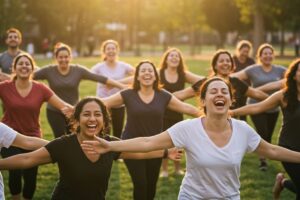
Singing alone can be calming. Singing with others changes the experience entirely. When people sing together, their breathing patterns and rhythms begin to align. This creates a sense of connection that does not rely on conversation or effort.
Even brief group singing has been shown to strengthen social bonds. During colder months, when isolation is more common and winter immunity becomes a concern, that connection matters more than we often admit.

singing and lung health
Support for Lungs and Immune Function
Singing encourages fuller use of the lungs and more controlled breathing. For people with mild respiratory challenges, this can improve comfort and awareness of breath without turning it into a clinical exercise.
Some studies suggest that singing in groups may support immune response more effectively than simply listening to music. While singing will not prevent illness, it can complement habits like improving indoor air quality or using an air purifier for winter respiratory health.
Even If It Does Not Feel Like Exercise
Singing does place demands on the body. Your core muscles engage. Your posture adjusts. Your heart rate rises slightly. In controlled settings, singing has been compared to light physical activity such as a brisk walk.
This makes it especially useful during winter, when motivation for traditional exercise can dip. Singing moves the body without framing it as a workout, which helps people stay consistent.
Singing and Living With Ongoing Health Issues
Singing has also been used to support people living with long-term conditions. It can improve breath control, speech clarity, and confidence. Just as important, it shifts focus away from limitations.
In group settings, everyone participates on equal terms. Caregivers, patients, and professionals all sing the same notes. That shared experience removes labels, even temporarily and that can be deeply meaningful.
Making Singing Part of Everyday Life
You do not need training, talent, or confidence to benefit. Singing works best when it stays informal. You might sing while cooking, driving, or listening to music at home. Some people join community groups. Others keep it private.
If you are feeling unwell, especially with respiratory symptoms, it is wise to skip group singing until you recover. Rest still matters.
A Few Winter Health Notes
Singing is not a replacement for medical care, supplements, or preventive steps like following Vitamin D winter UK guidance. It sits alongside those habits, quietly supporting both physical and mental resilience.
Conclusion
Singing has been part of human life long before modern health advice existed. It brings together breath, emotion, memory, and connection in a way that feels instinctive rather than engineered. In a season where well-being often feels complicated, singing remains simple. You already know how to do it. And without realizing it, your body knows how to respond.