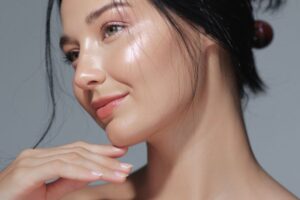
Why Skinimalism Is Redefining Grooming in 2026

microbiome friendly skincare
For most of the last decade, skincare was treated like a competitive sport. More steps, stronger actives, faster results. By early 2026, that mindset had quietly collapsed. Skinimalism isn’t a trend anymore—it’s a correction.
If your skin feels reactive, tight, or unpredictably irritated despite using “good” products, you’re not alone. Dermatology clinics across the U.S. are seeing a rise in what’s often called symptomatic sensitivity. This isn’t a genetic issue or sudden allergy. It’s the result of doing too much for too long.
Skinimalism 2026 is about stepping back, protecting the skin barrier, and letting your skin do what it was designed to do—regulate, defend, and heal.
Why the Skin Barrier Became the Main Character
Your skin barrier is not a vague beauty term. It’s a physical structure made of lipids, ceramides, and healthy microbes that lock in moisture and keep irritants out. When it’s intact, your skin stays calm and resilient. When it’s damaged, everything—from weather to stress to water quality—starts showing up on your face.
Years of aggressive exfoliation, frequent retinol cycling, and over-cleansing have weakened this barrier for many people. Even sulfate-free cleansers can be stripping when used too often. In response, Skin Health 2026 trends are shifting toward barrier repair instead of constant correction.
This is where skinimalism becomes practical, not aesthetic.
How to Simplify Your Skincare Routine With Skinimalism
A barrier-first routine is intentionally boring—and that’s the point. Instead of chasing actives, you focus on consistency and protection.
Most skinimalist routines now revolve around three non-negotiables:
- Cleanse gently using a microbiome-safe cleanser that doesn’t foam aggressively or disrupt pH balance
- Repair daily with a ceramide-rich balm that mimics your skin’s natural lipid structure
- Protect consistently using a mineral-based SPF that supports barrier repair rather than irritating it
This approach reduces inflammation over time instead of masking it temporarily. It also fits naturally into low-tox grooming habits, where fewer ingredients mean fewer reactions.
Microbiome-Friendly Hygiene Is No Longer Optional
Skinimalism isn’t limited to the face. Hygiene routines are being rethought from the neck down as well.
Your skin is home to trillions of beneficial microbes that help regulate oil production, defend against pathogens, and maintain hydration. Antibacterial soaps and heavily fragranced body washes don’t just clean—they wipe out this ecosystem.
That’s why microbiome-friendly and prebiotic body wash products are becoming standard in 2026. Instead of sterilizing the skin, these formulas support healthy bacteria and stabilize pH balance. For people dealing with body sensitivity, itchiness, or recurring irritation, this shift alone can be transformative.
Clean beauty now means supportive, not aggressive.

ceramide balm
Why Thick Balms Replaced Serums in 2026
After years of lightweight gels and layered serums, skinimalism has brought back something surprisingly old-school: occlusive repair.
Ceramide-rich balms are leading the list of the best skin barrier repair products for sensitive skin in 2026. These formulas aren’t about instant glow. They work slowly by sealing in moisture and allowing damaged skin to rebuild overnight.
This updated version of “slugging” isn’t greasy or suffocating. Modern balms use bio-identical lipids and breathable botanical waxes. One well-formulated balm can easily replace multiple serums, making it one of the most effective forms of budget biohacking in grooming today.
The Overlooked Link Between Skin and Metabolic Health
One reason skinimalism is so successful is that it fits in with bigger changes in health that are happening now. In 2026, February wellness studies will still talk about the link between metabolic health and skin health. Skin problems like unstable blood sugar, long-term inflammation, and lack of nutrients show up quickly.
Many people who try fullness sequencing (eating fiber and protein before carbs) report having fewer acne breakouts and less redness. Cutting back on sugar lowers glycation, which weakens the skin barrier over time. Eating a lot of protein helps the body make collagen and fix the barrier.
People who talk about metabolic health often talk about the gelatin trick. It is also getting more attention as a way to help the skin. Foods that are high in glycine help make connective tissue stronger and may help skin stay flexible from the inside out. These aren’t tricks for losing weight that will improve your looks; they’re basic changes that will make your skin feel better.
Why Skinimalism Actually Sticks
What makes skinimalism different from past beauty trends is sustainability. It reduces decision fatigue, cuts costs, and lowers the risk of long-term irritation.
Instead of chasing perfection, you’re supporting function. Instead of fighting your skin, you’re working with it.
This is grooming that respects biology.
Calm Skin Is a Sign of Good Health
Skinimalism in 2026 isn’t about doing nothing. It’s about doing less, intentionally. When you protect your skin barrier, support your microbiome, and align your hygiene habits with your overall health, your skin doesn’t need constant intervention. The real glow people are noticing this year isn’t from activities or trends. It’s what happens when the skin finally feels safe again.
Less isn’t lazy. Less is informed.