Are Whole-Body MRI Scans a Smart Health Move?
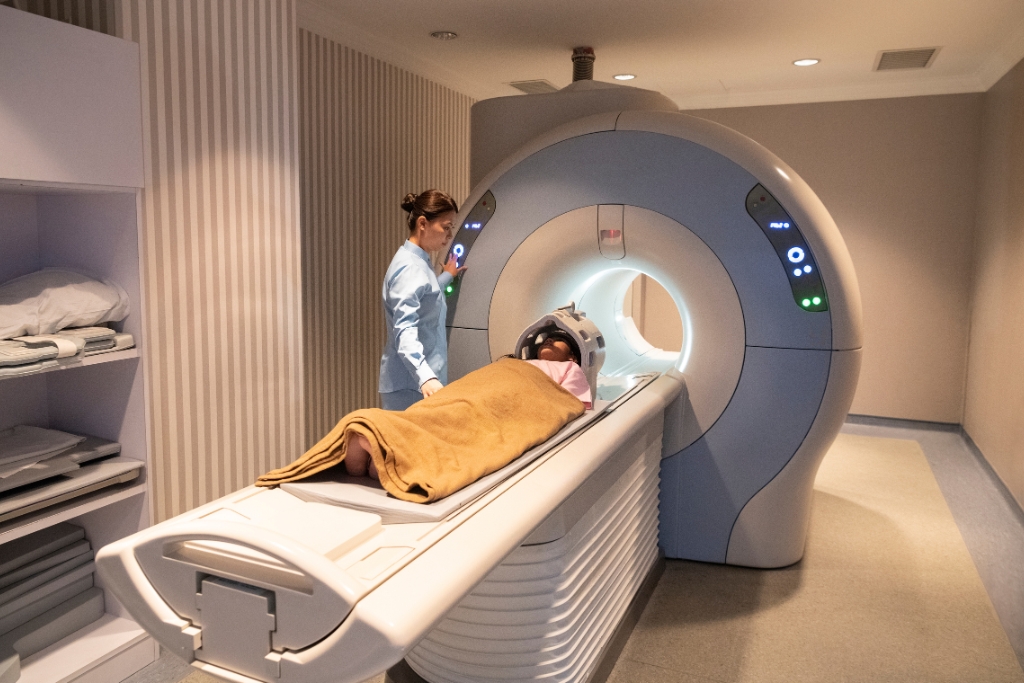
The whole body MRI
Preventive health in 2026 looks very different than it did even a decade ago. You track sleep with rings, monitor glucose with patches, and order at-home blood testing kits between meetings. Against this backdrop, whole-body MRI scans have moved from specialist clinics into mainstream wellness conversations. These scans used to be just for uncommon medical conditions, but today they are sold as the best way to get a full picture of your health. The question you need to ask is simple but important: is a whole-body MRI worth it for you?
What a Whole-Body MRI Actually Does
A whole-body MRI scans your body from the brain down to key organs and soft tissues using magnetic fields and radio waves. It doesn’t expose you to radiation as X-rays or CT scans do. In 2026, several providers use AI-driven analysis together with imaging to find possible problems, quantify visceral fat, and spot small changes that would not be spotted otherwise.
These scans are used to find early symptoms of problems such as malignancies, blood vessel problems, spinal degeneration, and alterations in the brain. For some people, that level of visibility feels empowering. For others, it can be overwhelming.
Why Interest Has Exploded in 2026
The rise of proactive healthcare has fueled interest in advanced imaging. People are no longer waiting for symptoms before taking action. Alongside developments in regenerative medicine, exosome therapy, and vagus nerve stimulation devices, whole-body MRI has become part of a broader shift toward early detection.
Many people considering these scans are already investing in menopause health strategies, hormone optimization, or long-term healthspan planning. In that context, a full internal scan feels like the logical next step, especially when paired with other data sources like AI health trackers.
The Real Benefits You Should Understand
There are genuine upsides to whole-body MRI when used thoughtfully. Early detection can change outcomes dramatically in specific cases. Finding a tumor or vascular issue before symptoms appear can open the door to simpler treatment and better long-term results.
Another benefit is clarity. For some people, a clean scan provides reassurance that no hidden issues are developing silently. In an era where health anxiety is common, that peace of mind can feel invaluable.
AI-supported imaging has also improved consistency in readings, reducing the chance that subtle patterns are missed. Some providers now offer longitudinal tracking, allowing you to compare scans over time rather than relying on a single snapshot.
The Incidental Finding Problem
This is where expectations need to be realistic. When you scan an entire body in high resolution, something unusual will likely show up. These findings, often called incidentalomas, are common and usually harmless. Small cysts, benign nodules, or minor structural variations are part of normal human biology.
The issue is what happens next. An unclear result can trigger follow-up tests, specialist referrals, and weeks of uncertainty. In many cases, nothing serious is found, but the emotional cost can be significant. For people prone to health anxiety, a whole-body MRI can increase stress rather than reduce it.
AI medical imaging
Cost vs. Value in 2026
Price remains one of the biggest barriers. Most scans are not covered by insurance and can cost anywhere from $1,000 to $3,000. When evaluating Prenuvo scan cost vs benefit or similar providers, the real question is not the scan itself, but the value of the information it provides.
If you are young, healthy, and without a strong family history of serious disease, the likelihood of uncovering a meaningful issue is low. In that case, investing in lifestyle changes, nutrition, and regular preventive screenings may deliver far more benefit.
If you have elevated risk factors, genetic predispositions, or unexplained symptoms, the equation changes. In those situations, a whole-body MRI can play a useful role as part of a broader medical strategy.
Who Should Consider a Whole-Body MRI
You may benefit from a scan if you fall into one of these groups:
- You have a strong family history of early-onset cancer or vascular disease
- You carry known genetic risk markers
- You want a baseline scan to compare against future imaging
- You are comfortable managing uncertainty and follow-up testing
You may want to wait if you are very young, have no risk factors, struggle with medical anxiety, or cannot easily access follow-up care if something unclear appears.
How It Fits Into Preventive Health
A whole-body MRI is not a replacement for standard screenings. Colonoscopy, mammography, cardiovascular tests, and routine lab work are still very important. Imaging should not take the place of existing tools; it should add to them.
The best ways to stay healthy in 2026 include focused screening, keeping an eye on metabolic health, and getting individualized medical advice. Imaging can help with that, but it can’t take the role of clinical judgment.
Conclusion
A whole-body MRI is not a miraculous cure or a waste of money by default. The value of it relies on how you think about it, how you see the outcomes, and your own risk profile. The technology is strong, but it works best when doctors are careful about how they use it.
If you decide to get a scan, make sure it involves a thorough consultation with a doctor. The real value isn’t identifying every odd thing; it’s knowing which ones are important and which ones can be safely disregarded. When used correctly, a whole-body MRI can help keep you healthy. If you don’t know how to use it, it might make things worse.