Measles Cases Hit 33-Year High as 2026 Begins
measles outbreak USA
For the past 25 years, the United States has held measles elimination status, a public health milestone it has maintained since 2000. That year, only 86 measles cases were reported to the CDC. Elimination status does not mean measles disappears completely, but it does mean the virus is not spreading continuously within the country.
That status may soon be in danger. The Pan American Health Organization (PAHO), which is part of the World Health Organization (WHO), is expected to evaluate U.S. measles data sometime in 2026. The concern is that ongoing outbreaks could signal sustained domestic transmission, which is the key threat to elimination status.
Where Measles Cases Stand in Early 2026
By mid-January 2026, the CDC confirmed 171 measles cases across nine U.S. jurisdictions: Arizona, Florida, Georgia, North Carolina, Ohio, Oregon, South Carolina, Utah, and Virginia. So far, there have been no reported cases among international visitors to the United States, which matters because it suggests the outbreaks are not being driven only by travel-related exposures.
The largest concentration has been in South Carolina. As of January 13, 145 cases were reported to the CDC there, and since October, the state has confirmed 585 measles cases. That kind of sustained outbreak activity is part of why health officials are watching 2026 closely.
Why 2025 Became a Turning Point
The numbers from last year are one of the strongest warning signs. In 2025, the United States recorded a 33 year high in measles cases, with 2,242 confirmed nationwide. That was the highest level since 1992 and reflected not only individual infections, but wider spread across communities.
CDC officials reported that 89% of cases in 2025 were tied to 49 outbreaks around the country. About a quarter of those infections occurred in children under five years old. Even more concerning, about 93% of cases were in people who were unvaccinated or had unknown vaccination status.
The impact was not minor. The outbreaks were linked to three deaths and 245 hospitalizations, underscoring that measles is not just an inconvenience, especially for young children and people with medical vulnerabilities.
Why Measles Spreads So Easily
Measles spreads quickly because it is one of the most contagious diseases in the world. If you are exposed, you may not realize it immediately, because people with measles can spread the virus several days before symptoms appear. After symptoms begin, contagiousness can continue for more than a week.
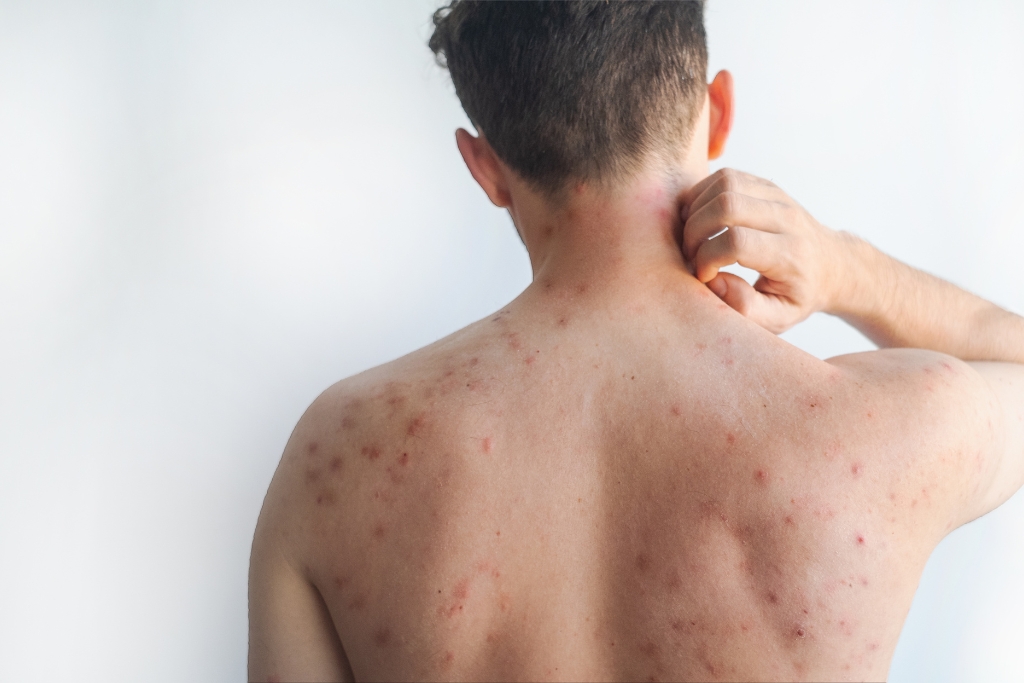
Symptoms usually show up within about 14 days, and the classic signs include a widespread rash and high fever, often alongside cough and sore throat. You might think of measles as an old disease, but the way it travels through air and close contact makes it perfectly suited to spreading in modern settings like schools, airports, and crowded indoor spaces.
What’s Driving the Increase in U.S. Measles Cases
The steep rise has been linked to declining vaccination rates in the U.S. and high measles circulation globally, which creates more opportunities for infections to enter communities and spread further. The trend also suggests cases could keep rising through 2026 if the conditions remain the same.
Vaccine misinformation and hesitancy have been repeatedly cited as major reasons the outbreaks are expanding. When more families decline routine childhood vaccinations, measles spreads more easily, especially because high immunity levels are needed to prevent outbreaks.
If you follow medical innovation trends like AI diagnostic triage or bio-wearable accuracy, it’s worth remembering that faster detection still does not stop measles transmission the way vaccination does. The biggest prevention tool remains immunity in the population.

measles cases 2026
How Vaccine Guidance Changes Can Add Confusion
Federal health experts updated child immunization recommendations in early January. The amended guidelines decreased 16 targeted diseases to 11 “most serious infectious diseases.” Measles, chickenpox, polio, and whooping cough vaccines are still advised.
Six other disorders, including hepatitis and RSV, were altered to apply only to high-risk children. The guidance also recommended “shared clinical decision making” for influenza, COVID 19, and rotavirus vaccinations, meaning parents speak with a doctor before immunization. Changing frameworks and contradictory messaging can increase skepticism and lower routine children immunization rates.
What You Should Know About Measles Complications
Before the measles vaccine became widely available in the mid 1950s, the U.S. saw more than 3 million illnesses every year, along with 48,000 hospitalizations and about 500 deaths annually.
Around 30% of measles cases still lead to complications. The most common are ear infections and diarrhea, but severe complications can also occur, including pneumonia, encephalitis, and subacute sclerosing panencephalitis. There is also a long-term risk: measles can weaken immune memory from past infections, leaving you more vulnerable to illnesses you previously fought off successfully.
How You Can Lower Your Risk Right Now
The top protection is vaccination. If you are unsure whether you are vaccinated, checking your status and getting immunized can make a meaningful difference, not just for you, but also for people who cannot safely receive vaccines.
If you are unvaccinated, avoiding nonessential travel and crowded transportation can reduce exposure risk. It also helps to be cautious in high-contact environments like schools and healthcare settings and to limit close interaction with people showing upper respiratory symptoms.
Here are practical steps you can take:
- Confirm your vaccination status if you are unsure
- Keep children on schedule for routine vaccines
- Be careful in crowded spaces if you are not vaccinated
- Reduce exposure in high risk settings when outbreaks are active
- Stay alert to symptoms and seek medical guidance quickly
Conclusion
The U.S. has held measles elimination status since 2000, but rising outbreaks have placed that record under pressure heading into 2026. With cases already spreading across multiple jurisdictions and large outbreaks reported in places like South Carolina, the next year may determine whether the country can maintain elimination status or see sustained transmission take hold again. The clearest takeaway is simple: measles still moves fast when immunity drops, and prevention depends heavily on keeping vaccination levels strong enough to stop outbreaks before they grow.