The Science-Backed Scalp Care Routine for Hair Density
Scalp Health
For years, you’ve probably focused on what happens to your hair after it leaves your scalp—the shampoos for shine, the masks for softness, and the styling products for hold. What rarely got attention was the surface your hair actually grows from. In 2026, that mindset has shifted completely. Scalp care is no longer optional or cosmetic. It’s central to hair density, strength, and long-term skin longevity.
Think of your scalp less like a backdrop and more like living skin with its own needs, limits, and signals. When you support that environment properly, density becomes a natural outcome rather than something you chase with styling tricks.
Why the Scalp Is Now the Focus of Hair Growth
The idea of scalp wellness has gained traction because research and clinical practice finally aligned on one truth: follicles perform best when the scalp barrier is healthy, balanced, and calm. Inflammation, buildup, and disrupted pH quietly shorten the hair growth cycle, even if you’re using expensive products.
This is where prejuvenation comes in in daily language. You start protecting the head early, keeping the hair follicles active, so you don’t have to wait until you can see the hair loss. This method is similar to what you already do for your face skin: first, you avoid problems, and then you fix them.
Step One: Clean Up Without Harmed the Ecosystem
A clean head is not the same as one that has been stripped. In 2026, the goal is not to get rid of the scalp bacteria but to keep it fixed. That means picking cleaners that don’t hurt your body’s natural acidity or repair processes.
Wash your hair based on how your skin feels, not how often you do it. If oil builds up quickly, washing gently every day can stop oxidation, which can irritate hair shafts. If dryness is your issue, spacing washes every few days allows natural oils to support skin longevity.
Avoid chasing that “squeaky clean” feeling. Tightness after washing is often a sign that the barrier has been disrupted, setting off low-grade inflammation that interferes with growth.
Weekly Reset: Exfoliation Without Trauma
Once a week, your scalp needs a reset, not through harsh scrubs, but through chemical exfoliation designed for skin. Buildup from sweat, pollution, and styling products can slowly block follicles and contribute to weaker regrowth over time.
Modern exfoliants dissolve debris instead of scraping it away. This supports barrier repair while keeping follicles open and responsive. Some people pair this step with gentle warmth to soften buildup, but the key is restraint. Overdoing exfoliation creates the very inflammation you’re trying to avoid.
Growth Support Starts With Targeted Serums
If density is your goal, topical treatments matter, but only when applied to a healthy scalp. Today’s formulas go far beyond single-ingredient solutions, combining cellular support with circulation boosters and follicle signaling compounds.
Look for lightweight serums that absorb cleanly and don’t suffocate the skin. In 2026, ingredients like polynucleotides are being explored for their regenerative properties, while caffeine and peptide complexes help sustain the growth phase longer.
This step works best at night, when the scalp is free from styling residue and blood flow naturally increases during rest. Consistency beats quantity here. A small amount, used daily, delivers far better results than heavy application done occasionally.
Hair Density
Mechanical Stimulation: Simple
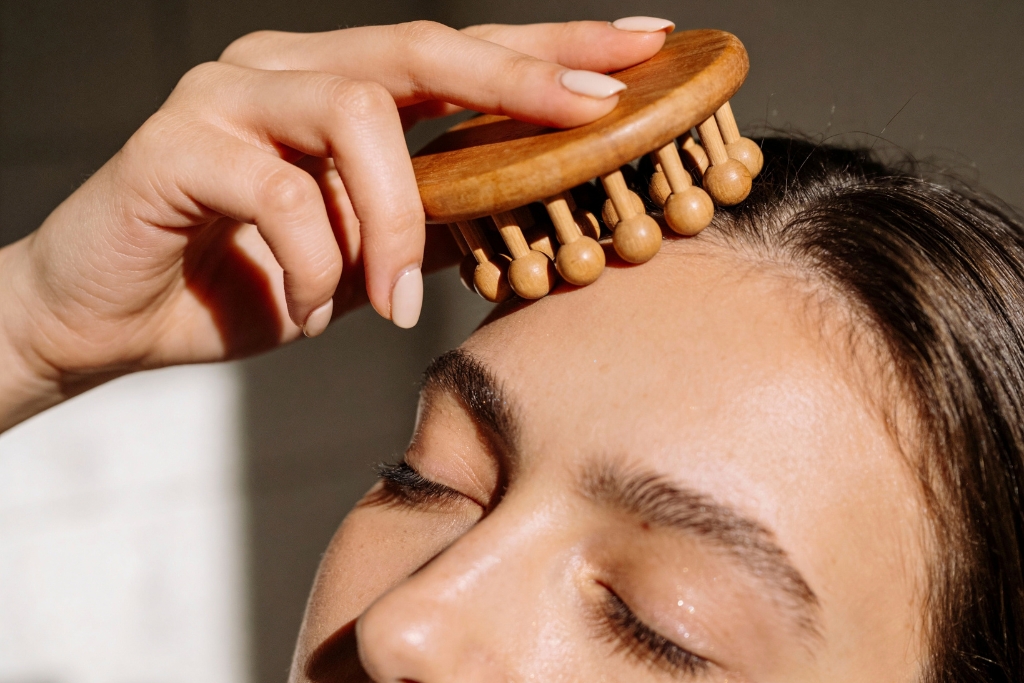
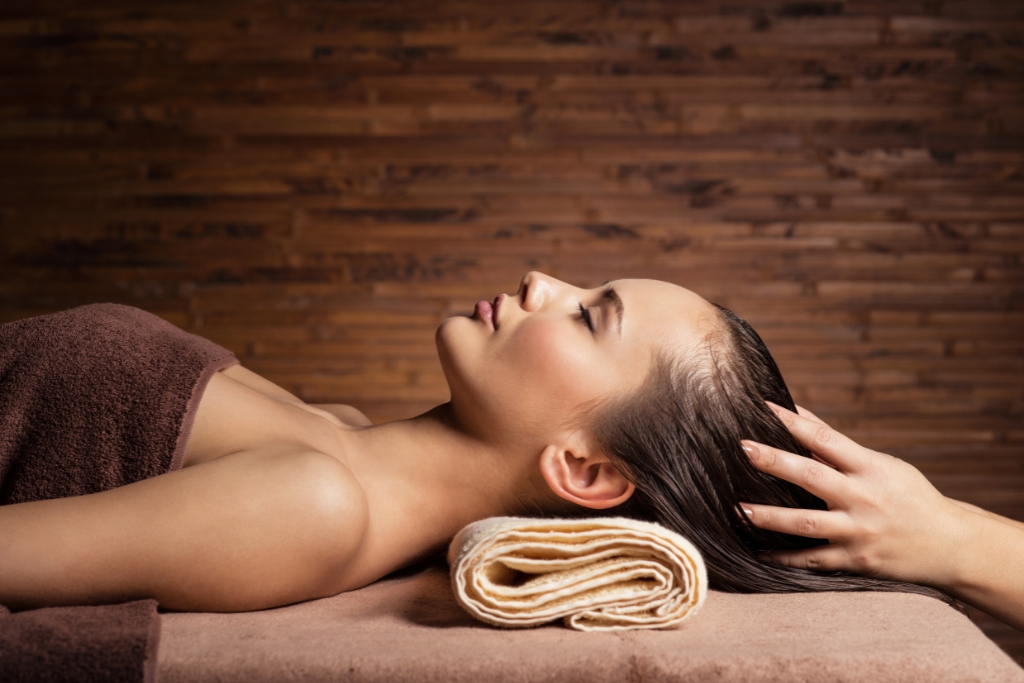
Scalp massage has moved from spa luxury to functional habit. Daily mechanical stimulation improves blood flow and encourages healthier follicle signaling over time. The technique doesn’t need to be aggressive; firm, controlled movements are enough.
Many people now pair massage with LED red light therapy, which supports cellular energy production inside the follicle. This isn’t about overnight miracles. It’s about creating conditions where follicles remain active instead of slipping quietly into dormancy.
The Overlooked Role of Sensory Health
One subtle shift in 2026 grooming routines is the rise of functional fragrance. Certain mood-altering scents are being incorporated into scalp treatments to reduce stress responses that can affect the nervous system. When stress hormones stay elevated, hair cycles shorten. Supporting calm isn’t indulgent; it’s practical.
You may also notice growing interest in sustainable beauty, with refillable packaging and microbiome-safe formulas becoming the standard rather than the exception.
A Simple Weekly Scalp Framework
If you want a realistic routine that fits into daily life, focus on these core habits:
- Gentle microbiome-safe cleansing based on scalp type
- Weekly chemical exfoliation to keep follicles clear
- Daily application of a lightweight density serum
- Four minutes of scalp massage each day
- Optional LED red light therapy several times a week
What Results Actually Look Like
Density changes slowly. Most scalp cycles require three to four months before improvements show in texture or fullness. This is normal. Hair biology doesn’t respond to urgency, only consistency.
Stop using topical treatments and see a doctor if you notice rapid shedding, patchy loss, or pain in your head. It’s important to know when to stop playing with your cleanliness because not all problems are cosmetic.
What It Means for 2026
It’s not hard to follow the best scalp care practice for hair growth and quality in 2026. When you treat your head like skin and not like an aside, density is a long-term goal instead of a short-term one. Help the environment, keep the barrier up, be constant, and let nature do what it’s supposed to do.