Best Hair Wash Routine for Healthy Scalp and Hair
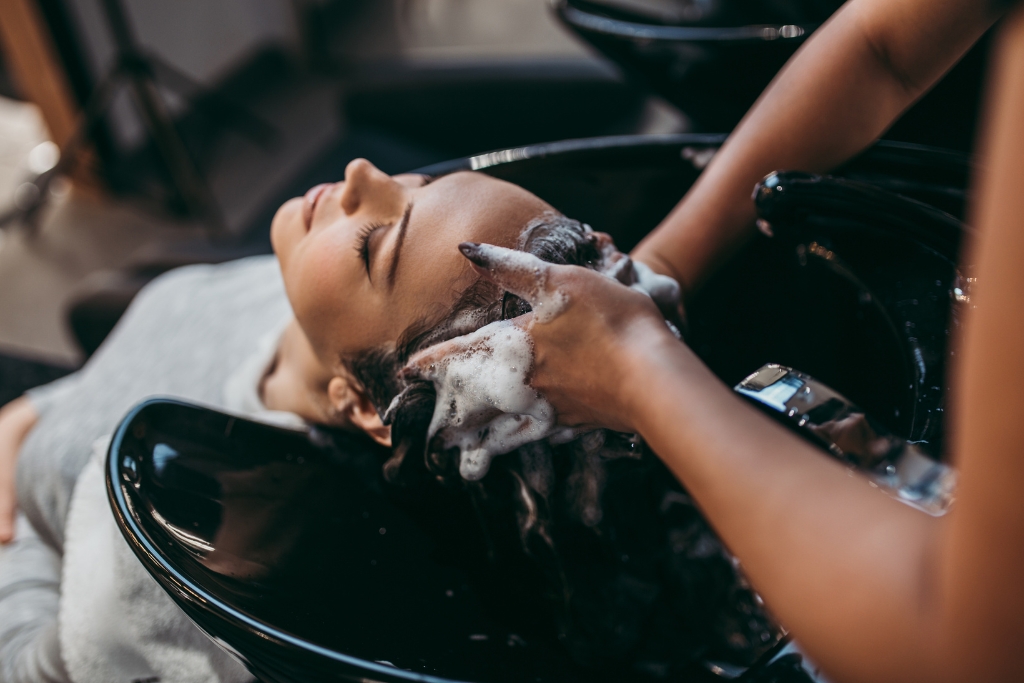
oily scalp management
If your hair gets greasy faster than you’d like, you’ve probably had that familiar debate: Do you wash it again today, or try to stretch it one more day? And if you’ve ever heard “never wash your hair daily,” that advice can feel like a strict rule—almost like you’re doing something wrong every time you reach for shampoo.
But hair washing isn’t one-size-fits-all. The right routine depends on how your scalp produces oil, how your hair holds moisture, and what your day actually looks like. Someone who works out daily and uses styling products isn’t going to have the same wash schedule as someone who barely sweats and wears their hair natural most of the week.
The real goal isn’t washing “less” or “more.” It’s keeping your scalp comfortable and your hair strong, without creating avoidable dryness or buildup.
What Washing Too Often Can Do to Your Hair
Your hair and scalp naturally produce oil, also known as sebum. Sebum isn’t the enemy—it’s protection. It helps prevent the scalp from drying out and keeps your strands from feeling rough, especially toward the ends.
When you wash too frequently, you can strip away those protective oils. Over time, that can lead to issues like dryness, itchiness, breakage, split ends, and hair that feels brittle no matter how many products you use afterward.
Think of it this way: even tough materials start looking worn out if they go through heavy cleaning too often. Your hair works the same way. It’s durable, but it still responds to repeated stripping and friction.
Your Scalp Microbiome Matters
One reason this topic keeps coming up is because people are starting to talk more about the scalp microbiome. Your scalp isn’t meant to be sterile. It’s meant to be balanced.
When your scalp feels healthy, you usually notice it in small ways: less itching, less flaking, less tightness, and fewer bad hair days. And in a world where people are investing in Skin Longevity routines and barrier repair serums, it makes sense to treat your scalp with the same kind of care. It’s skin too, just with hair growing out of it.
So How Often Should You Wash Your Hair?
There are a few things that can affect your wash schedule—how often you sweat, whether you use styling products, and even the climate you live in. But one of the biggest factors is hair texture.
If you have curlier hair
Curlier hair tends to dry out faster, and it’s also more fragile. Because of that, washing too often can leave it feeling rough and more prone to snapping.
A common routine for curlier hair is washing once a week, or even once every two weeks, depending on how your scalp feels.
If you have fine hair
If your hair is fine, oil can show up faster because it spreads more easily along the strands. In this case, washing too infrequently can sometimes create scalp problems like dandruff or seborrheic dermatitis.
If you have fine hair, washing every two to three days often works well. Waiting a full week may be too long for many people with this hair type.
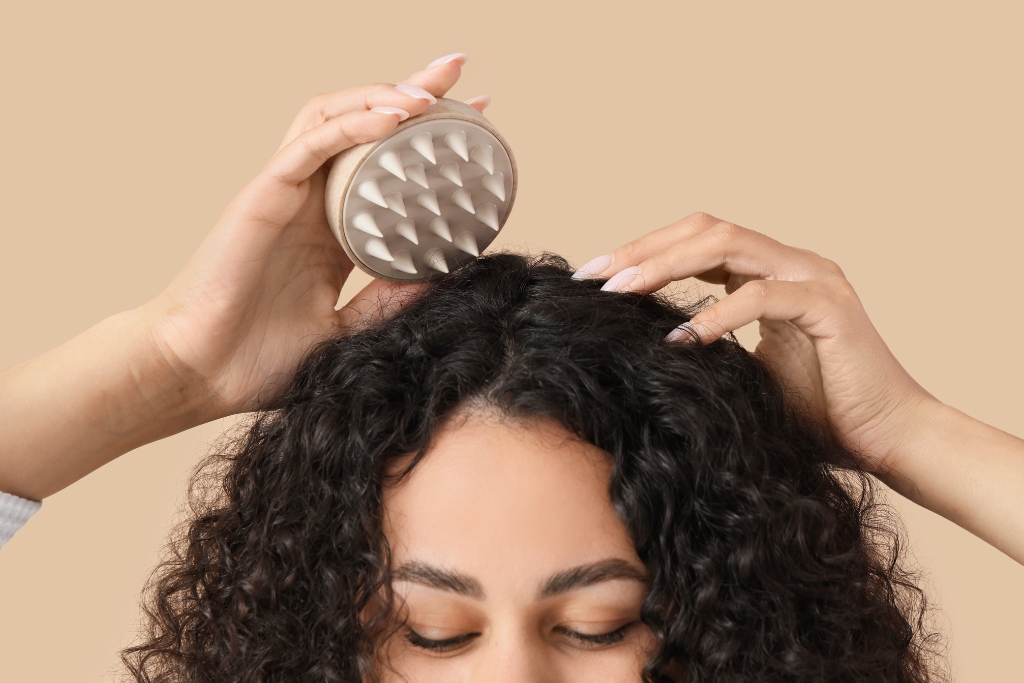
how often to wash hair
Is It Okay to Wash Your Hair Every Day?
If you can avoid washing daily, it’s usually better for the long-term condition of your hair—especially the ends. Daily washing can make the scalp dry and can leave your hair feeling more fragile over time.
That said, “don’t wash daily” isn’t a rule that should make you feel guilty. If your scalp gets sweaty every day, or you work in an environment where your hair picks up dirt and pollution, daily washing may still be part of your routine. The key is choosing gentler products and focusing your technique so you’re not drying out your strands unnecessarily.
Why Your Hair Gets Greasy So Fast
Oily hair after one day isn’t always a sign of a problem. Many factors are hereditary and hormonal. Some people have oilier skin or acne because androgen hormones affect oil production. Overwashing to “fight” oiliness is a common mistake. Your scalp might get itchy, your ends dry, and your roots greasy soon. Dry shampoo absorbs oil and freshens hair, helping you stretch washes. Make sure not to use it as a substitute for washing because buildup might cause issues.
Does Washing Your Hair Cause Hair Loss?
Although seeing hair in the shower can be unsettling, washing your hair does not thin it. During washing, hairs frequently shed regardless. The average person sheds 50–100 hairs daily. If you wash less often, you may notice more shedding on wash day, making it look worse. Stress or hormonal changes may cause increased shedding. If shedding persists or gets heavy, consult a dermatologist to rule out causes.
How to Wash Your Hair
It’s not just about how often you wash—it’s how you wash that changes everything. Here are the habits that make wash day work in your favor:
- Shampoo your scalp and roots, where oil and buildup collect
- Avoid shampooing your ends, unless they truly need it
- Condition the lower half of your hair, not your scalp
- Use a deep conditioning mask occasionally if breakage is an issue
- If you have ongoing redness, itching, or flaking, get it checked
A routine like this fits well into modern toxin-free grooming habits too, especially if you’re trying to avoid harsh cleansers that leave your scalp feeling tight and uncomfortable.
Conclusion
There isn’t one correct hair-washing schedule, and honestly, that’s the point. Your hair texture, your oil production, and your lifestyle all decide what works for you. If your scalp feels calm and your hair stays strong, your routine is doing its job—whether that means washing every two days or once a week. The smartest approach is not chasing strict rules but building a routine that protects your scalp, respects your strands, and fits into real life.