3 Low-Appetite Meals That Support Gut and Energy
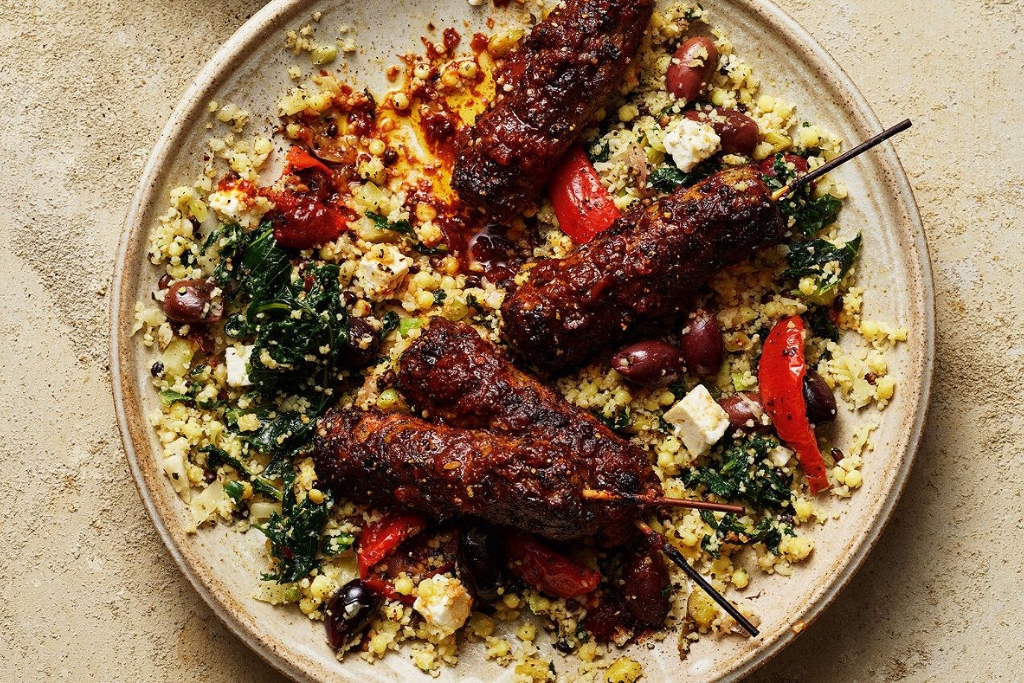
low appetite meals
When your appetite drops, your nutrition usually drops with it. And it’s not because you don’t care—it’s because eating suddenly feels like work. That can happen during stressful weeks, illness, hormonal shifts, or when you’re on appetite-suppressing medications like GLP-1s. You’re full faster, cravings change, and even “normal” portions can feel like too much.
That’s exactly why nutrient-dense meals matter more than ever. You’re not trying to eat more; you’re trying to eat smarter. Think high-impact ingredients, gentle flavors, good texture, and enough protein and fiber to keep your body steady without forcing huge plates of food.
Below are three recipes inspired by The Low Appetite Cookbook that make every bite count—without turning food into a project.
1) Aubergine and Tofu Stew with Coconut, Edamame and Lime
This is the kind of bowl that feels comforting without being heavy. You’re getting creamy coconut, warming spices, and soft aubergine that practically melts into the broth. It’s filling in a calm way, and the mix of tofu + edamame makes it a strong plant-based protein option.
What you’ll need
- Olive oil
- Onion, garlic, fresh ginger
- Ground cumin + turmeric
- Soy sauce
- Aubergine (cubed)
- Firm tofu (cubed)
- Coconut milk + vegetable stock
- Edamame
- Lime juice
- Garam masala
- Salt + coriander (optional)
How you’ll make it
Sauté onion until soft, then add garlic and ginger. Stir in cumin, turmeric, and soy sauce. Add aubergine and tofu, let them take on a little color, then pour in coconut milk and stock. Simmer until the aubergine turns silky. Finish with lime and garam masala right at the end.
Why it works when you’re not that hungry
It’s soft, warm, and easy to eat slowly. Plus, it supports Fibremaxxing with aubergine and edamame, while staying gentle on digestion.
Optional boost: Add spinach at the end for extra micronutrients.
2) Stuffed Courgettes with Harissa Lamb, Feta and Tomato Sauce
If you want something that feels like a “proper dinner” but still doesn’t sit too heavy, this is a smart choice. Courgettes act like built-in portion control, and the lamb filling gives you iron and protein without needing a big bowl of pasta.
What you’ll need
- Courgettes
- Olive oil
- Lean lamb mince
- Garlic + cumin
- Harissa
- Chopped tomatoes
- Flaked almonds
- Feta + parsley
- Salt
How you’ll make it
Slice courgettes lengthwise and scoop out the soft center. Cook lamb with the chopped courgette flesh until browned, then add garlic, cumin, and harissa. Pour tomatoes into a baking dish with the remaining harissa, place courgette shells in the sauce, fill them with lamb mixture, then bake until tender and thickened.
Why it works when your appetite is small
You’re getting high nutrition in a smaller format, and the flavors stay bold even when you’re not craving much food.
Optional boost: Stir a little Greek yogurt into the lamb mixture for extra protein.

nutrient dense foods
3) Za’atar Chicken with Roasted Roots and Tahini Drizzle
This one is ideal when you want “hands-off cooking.” You roast everything on one tray, and the tahini drizzle adds richness without needing a heavy sauce.
What you’ll need
- Chicken thighs
- Za’atar + olive oil
- Carrots + beetroot
- Salt + pepper
- Tahini, lemon juice, warm water, pinch of cumin
How you’ll make it
Coat the chicken with za’atar, olive oil, salt and pepper. Roast it over carrots and beetroot until caramelized. Whisk tahini with lemon and warm water until pourable, then drizzle it over the sliced chicken and vegetables.
Why it works for low appetite
You get a strong protein base with a satisfying texture, plus naturally sweet roasted vegetables that don’t feel “too much.”
This also fits well with Chrononutrition if you want your dinner to be earlier and lighter while still meeting your needs.
Small appetite doesn’t mean “snacking only.”
When you’re barely hungry, you can easily drift into random bites—half a granola bar here, a few crackers there—and then wonder why your energy feels off.
Try building “micro-meals” with intention:
- Add one protein anchor (tofu, chicken, lamb, yogurt)
- Add one fiber source (Low-UPF Diet friendly veggies, beans, lentils)
- Add one fat or sauce for satisfaction (tahini, olive oil, coconut milk)
- Add one “fresh lift” (lime, lemon, herbs)
That’s how you keep meals realistic and nutrient-dense.
Conclusion
When your appetite is low, the goal isn’t to force bigger meals—it’s to choose food that supports you even in smaller amounts. These three recipes give you a practical balance of protein, fiber, minerals, and comforting textures, without feeling like diet food.
And if you’re trying to rebuild your routine after a rough patch, you can even use them as a mini reset week—a simple alternative to a 7-day low-UPF (Ultra-Processed Food) meal plan for a January gut reset—just with meals that actually taste like something you’d want to eat again.