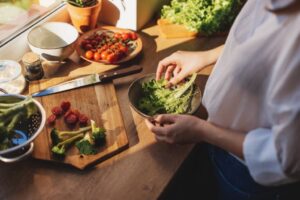
A 7-Day Low-UPF Meal Plan to Beat January Bloat

After the holiday season, it’s normal to feel a little off. Heavy meals, extra sugar, late nights, and less structure can leave you dealing with bloating, low energy, and cravings that feel louder than usual. The common response is to jump into restrictive dieting, but in 2026, the smarter move is simpler: eat in a way that helps your gut recover.
That’s where a low-UPF gut reset comes in. It isn’t a cleanse or a “start over” punishment plan. It’s a short, realistic reset built around whole, minimally processed foods that your body can actually use.
What Ultra-Processed Foods (UPFs) Do?
Ultra-Processed Foods, or UPFs, are industrial products often made with five or more ingredients. These foods commonly include additives like emulsifiers, thickeners, and artificial sweeteners. They’re designed for convenience and shelf life, not gut comfort.
In 2026, research has strongly connected high UPF intake to gut dysbiosis, which means your gut bacteria get thrown out of balance. When that happens, it can lead to systemic inflammation, digestive discomfort, and even brain fog. A low-UPF diet helps because it gives your microbiome more fiber and fewer processed signals to deal with.
The Low-UPF Reset Rules You’ll Follow for 7 Days
You don’t need a long list of diet rules to do this well. You just need a few non-negotiables that keep your meals clean and consistent.
1) The Ingredient Test
If a food has a long shelf life or includes an ingredient you wouldn’t find in a home kitchen, skip it. If something looks like a chemistry term, it’s not helping your gut reset week.
2) Fibermaxing
Fiber maxing is one of the biggest nutrition habits gaining traction in 2026 for a reason. Your goal is to eat as many different plant foods as possible, aiming for 30 different plants a week. That means fruits, vegetables, legumes, herbs, whole grains, seeds, and nuts. This variety feeds beneficial bacteria, including Akkermansia, and supports gut function in a way “clean eating” alone often misses.
3) Fermentation Daily
Include one serving of fermented food each day, like yogurt, kefir, sauerkraut, kimchi, or similar options. This helps bring in more microbial diversity. It also ties into gut-brain axis foods and the idea of psychobiotics, foods that support gut health and may influence how you feel mentally through digestive balance.

Your 7-Day Low-UPF Gut Reset Meal Plan
This 7-day low-UPF (Ultra-Processed Food) meal plan for a January gut reset keeps meals balanced and practical. It’s not designed to feel perfect. It’s designed to feel doable.
Day 1: The Foundations
Breakfast: Steel-cut oats topped with blueberries and walnuts
Lunch: Chickpea and spinach salad with lemon-tahini dressing
Dinner: Baked wild-caught salmon with roasted sweet potatoes and steamed broccoli
Day 2: Probiotic Power
Breakfast: Plain Greek yogurt with banana and hemp seeds
Lunch: Leftover salmon with quinoa and mixed greens
Dinner: Red lentil dhal with turmeric, ginger, and garlic, plus sauerkraut
Day 3: Anti-Inflammatory Focus
Breakfast: Two poached eggs on sourdough (no preservatives)
Lunch: Homemade vegetable soup with apple slices and almond butter
Dinner: Tofu stir-fry with peppers, snap peas, and brown rice
Day 4: Prebiotic Feast
Breakfast: Kefir smoothie with raspberries, spinach, and ground flaxseeds
Lunch: Home-roasted turkey wrap using lettuce, topped with avocado and kimchi
Dinner: Grilled mackerel with warm cabbage slaw and roasted turnips
Day 5: Grain and Legume Day
Breakfast: Chia seed pudding with mango
Lunch: Black bean and avocado bowl with fresh salsa
Dinner: Homemade beef and broccoli using grass-fed mince and plenty of garlic
Day 6: The Weekend Cleanse (Without the Drama)
Breakfast: Homemade buckwheat pancakes with stewed apples
Lunch: Mediterranean plate with hummus, olives, cucumber, and hard-boiled eggs
Dinner: Roast chicken with lemon and rosemary, plus roasted root vegetables
Day 7: Make It Sustainable
Breakfast: Scrambled eggs with sautéed mushrooms and fresh berries
Lunch: Leftover roast chicken in a green salad with toasted pumpkin seeds
Dinner: Baked cod with crushed almond crust and garlicky green beans
The Most Useful Low-UPF Swaps to Keep You on Track
A low-UPF week becomes much easier when you stop relying on willpower and start swapping smartly. Here are the clean switches that can carry you through the whole reset:
- Flavored yogurt → Plain Greek yogurt + fresh fruit
- Packaged bread → Fresh sourdough or homemade
- Instant oatmeal → Steel-cut or rolled oats
- Deli meats → Home-roasted chicken or turkey
- Canned soup → Homemade vegetable broth
These swaps matter because they cut out additives while keeping your meals satisfying. You’re not just “removing junk”; you’re replacing it with foods that actually help your gut.
Why January Hits Differently in 2026
January has become more than a “resolution month.” In 2026, it’s closely tied to metabolic recovery. Lowering UPF intake reduces how much work your gut and liver have to do, and it gives your digestive lining a chance to calm down.
Most people notice less bloating and a lift in mood by Day 4. That’s not magic. It’s your system adjusting to better inputs: fiber, real-food nutrients, and fewer irritants.
What You Might Feel in the First 48 Hours
A quick reality check: the first two days can feel a little uncomfortable. If your holiday diet included a lot of sugar or packaged food, you might feel mild withdrawal symptoms. That’s normal. Your microbiome is shifting away from sugar-loving bacteria and moving toward fiber-fermenting ones.
Stay hydrated, keep meals steady, and use lemon water or herbal teas if cravings spike.
Conclusion
This 7-day low-UPF gut reset is less about discipline and more about direction. You’re giving your body a short window of cleaner signals: fibremaxxing through plant variety, daily fermented foods, and meals that don’t come with a long ingredient list. By the end of the week, you’re not just hoping to feel lighter. You’re building a food routine that’s easier to maintain, even after January ends.