Protein-Fiber Pivot and Neuromorphic Hygiene

GLP-1 companion nutrition
If you look at health conversations in early 2026, you will notice a clear shift. The focus is no longer just on eating less. It is on eating smarter. The so-called protein-fiber pivot has emerged as a practical blueprint for anyone navigating weight loss, particularly in the era of GLP-1 medications.
Whether you are using a prescription shot or simply adjusting your lifestyle, you are likely aware that appetite suppression alone is not enough. Rapid weight loss can come with unintended trade-offs, including muscle loss and changes in skin firmness. The protein-fiber pivot responds to that reality by combining a muscle preservation diet with the metabolic satiety benefits of high-fiber foods.
Why the Pivot Matters in 2026
GLP-1 companion nutrition has become a key topic because people are realizing that medication without dietary strategy can leave gaps. When you lose weight quickly, your body may also shed lean mass. That affects strength, metabolism, and even how your skin looks.
The protein-fiber pivot addresses this with two clear levers: adequate protein to protect muscle and consistent fiber intake to stabilize blood sugar and hunger signals. In fact, Fibermaxxing 2026 has overtaken protein as the most discussed nutrition trend. Instead of fearing carbohydrates, you focus on the right kinds of carbs, especially those rich in fiber.
Protein helps maintain your metabolic rate. Fiber supports your gut microbiome and extends fullness between meals. Together, they create metabolic satiety, a steadier and more sustainable sense of being satisfied after eating.
The 30/35 Framework
Health professionals are now recommending a simple structure sometimes called the 30/35 rule. You aim for roughly 30 grams of protein and 35 grams of fiber across your day, ideally spread evenly through meals.
You can think of it this way:
- Prioritize about 30 grams of protein daily from leucine-rich sources to protect lean muscle.
- Aim for at least 35 grams of fiber to support digestion and blood sugar control.
- Distribute both across breakfast, lunch, and dinner rather than loading them into one meal.
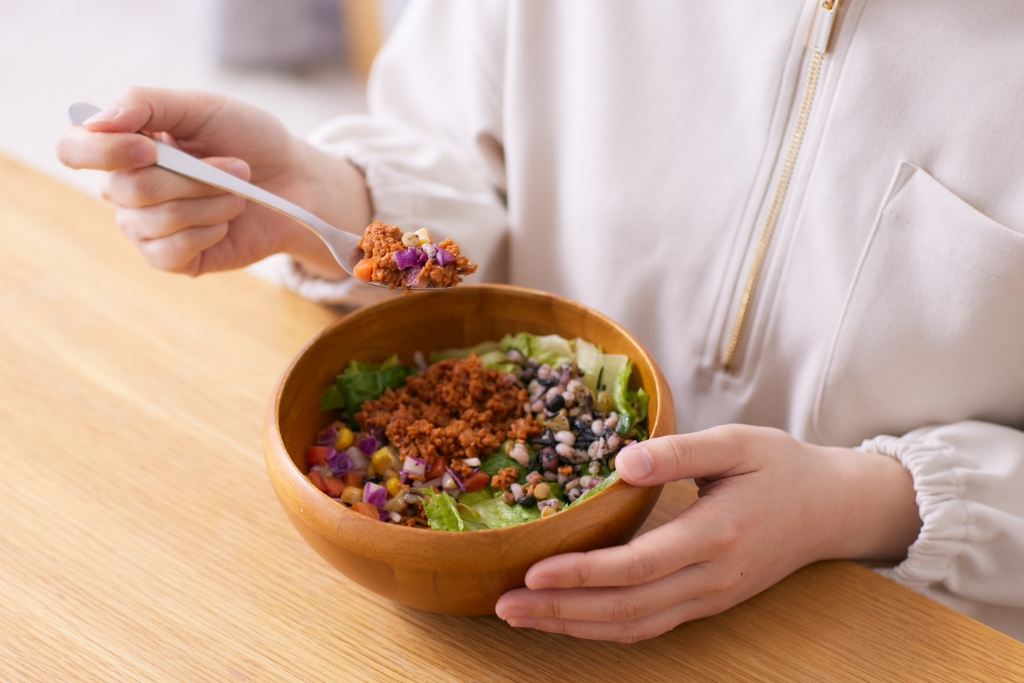
High-quality protein sources may include tempeh, lean meats, whey isolate, or sprouted grains labeled “high-protein”. On the fiber side, chia seeds, berries, avocado, and legumes are practical choices. When you start your morning with 30 grams of protein and 10 to 12 grams of fiber, you often notice fewer cravings throughout the day.
This approach is not about restriction. It is about structuring your intake so your body feels anchored.
Beyond Food: The Rise of Neuromorphic Hygiene 2026
What makes 2026 different is that nutrition is no longer discussed in isolation. As weight loss and high-protein eating increase, so does awareness of stress on the nervous system. That is where neuromorphic hygiene 2026 enters the picture.
You may have noticed growing interest in functional fragrance, sensory wellness, and stress-relief hygiene. The idea is simple: your grooming habits can support emotional regulation just as your diet supports metabolism.
If you are dealing with digital burnout relief challenges, constant notifications, and mental fatigue, cortisol reduction becomes part of your wellness strategy. Neuroscience beauty and neurocosmetic trends now focus on scent-based nervous system regulation as a complement to dietary changes.
How to Use Neuromorphic Grooming to Cure Digital Burnout
You do not need a complicated system. Small, intentional changes to your morning shower routine can make a difference.
A dopamine-inducing body wash with citrus or neroli notes can gently stimulate alertness without caffeine. These dopamine scents activate olfactory health pathways that influence mood and attention.
After showering, you might apply cortisol-lowering body oils containing sandalwood or vetiver. These are examples of functional aromatherapy shower rituals designed to ease tension. Sensory-sync grooming turns a daily hygiene habit into a form of neuromorphic hygiene that supports emotional balance.
This is sometimes described as neuromorphic grooming to cure digital burnout, but the concept is less dramatic than it sounds. You are simply using scent and texture to calm your stress response and support emotional regulation.
muscle preservation diet
Where Nutrition and Grooming Meet
It may seem unusual to link a muscle preservation diet with functional aromatherapy, but the connection lies in your nervous system. High stress can drive overeating, especially of processed foods. Chronic cortisol elevation disrupts metabolic satiety and makes it harder to follow any plan.
When you combine protein-fiber pivot strategies with stress-relief hygiene, you address both the physiological and emotional sides of health. You eat in a way that stabilizes blood sugar and preserves muscle, while also lowering stress triggers that undermine consistency.
The protein-fiber pivot is not a short-term trend. It reflects a broader understanding that weight management in the GLP-1 era requires structure, not deprivation. By prioritizing protein, embracing Fibermaxxing 2026, and integrating sensory wellness into your grooming habits, you build a routine that supports both body composition and mental steadiness.
In a landscape filled with quick fixes, this blueprint feels more grounded. You are not chasing extremes. You are aligning nutrition, grooming, and nervous system care into one integrated approach. Over time, that alignment is what makes progress sustainable.