Avoid eating raw foods that carry hidden risks
Avoid eating raw foods
Avoid eating raw foods when certain ingredients carry natural toxins or bacteria that cooking is meant to reduce. Raw food can sound healthy. Fresh salads, fruit bowls, smoothie toppings, and crisp vegetables all have their place. But not every food becomes healthier when it skips heat.
Some foods need cooking.
That is not fear-based advice. It is basic food safety. If you have ever worried about food poisoning after a questionable meal, you already know how quickly “healthy eating” can turn into stomach cramps, vomiting, diarrhea, and days of discomfort.
Why raw is not always safer
Raw foods are not automatically dangerous. Plenty are fine when washed, handled, and stored correctly. The problem starts when people assume “raw” always means more natural and therefore better.
That is not how food works. Some ingredients carry bacteria. Others contain natural plant compounds that can irritate the digestive system or become toxic if eaten uncooked.
Cooking does more than change texture. It can kill harmful germs, reduce toxins in food, and make certain ingredients easier to digest. That is why food safety expert advice often focuses less on food trends and more on preparation.
Avoid eating raw foods with hidden risks
The simplest rule is this: Avoid eating raw foods that are known to carry high undercooked-food risks. This includes certain beans, roots, mushrooms, and animal-based foods. The risk may come from bacteria like Salmonella or Campylobacter. It may also come from plant toxins that heat helps break down.
You do not need to panic in the kitchen. You just need to know which foods need proper heat before they land on your plate.
Red kidney beans need real boiling
Raw or undercooked red kidney beans are not safe.
They contain a lectin called phytohaemagglutinin. Lectins are plant proteins, and this one can cause intense stomach upset when beans are not cooked properly. A slow cooker may not always get hot enough fast enough to make kidney beans safe.
Soak dried kidney beans first. Then boil them properly before using them in stews, curries, salads, or slow-cooker recipes. This is one of the clearest examples of foods you should never eat raw.
Cassava needs careful preparation
Cassava, also called yuca, is widely eaten around the world. Prepared correctly, it can be a useful starchy food. Raw cassava is different.
It can contain compounds that may release cyanide in the body. That sounds extreme, but it is exactly why proper peeling, soaking, and cooking matter. Do not snack on raw cassava. Do not treat it like a carrot stick. Cook it thoroughly and follow safe preparation methods, especially if you are using bitter cassava varieties.
Some mushrooms are better cooked
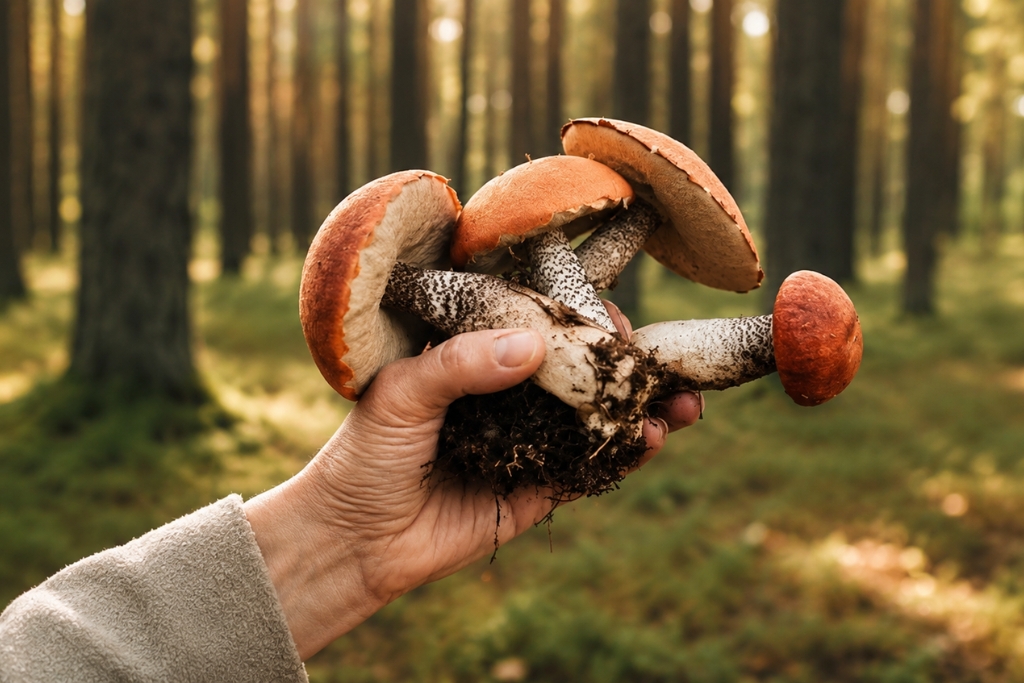
Not all mushrooms should be eaten raw. Many mushrooms are difficult to digest because of their firm cell walls. Some varieties may also contain compounds that are reduced through cooking.
Wild mushrooms need extra caution. The bigger risk is misidentification. A toxic mushroom can look harmless to someone without training. If you are not completely sure what you are handling, do not eat it. For everyday meal preparation, cooking mushrooms improves digestibility, flavor, and safety.
Green or raw potatoes can irritate the body
Potatoes are not meant to be eaten raw.
Raw potatoes can be hard to digest and may cause bloating or stomach discomfort. Green potatoes are a bigger concern because they can contain higher levels of solanine, a natural toxin.
Solanine may cause nausea, headache, cramps, or more serious symptoms in higher amounts. If a potato has green patches, sprouts, or a bitter taste, be cautious. Peel away small green areas if the potato is otherwise firm, but discard potatoes that are heavily green, soft, or sprouted. Cooking helps, but it does not make a badly green potato ideal.
Poultry and eggs need proper heat
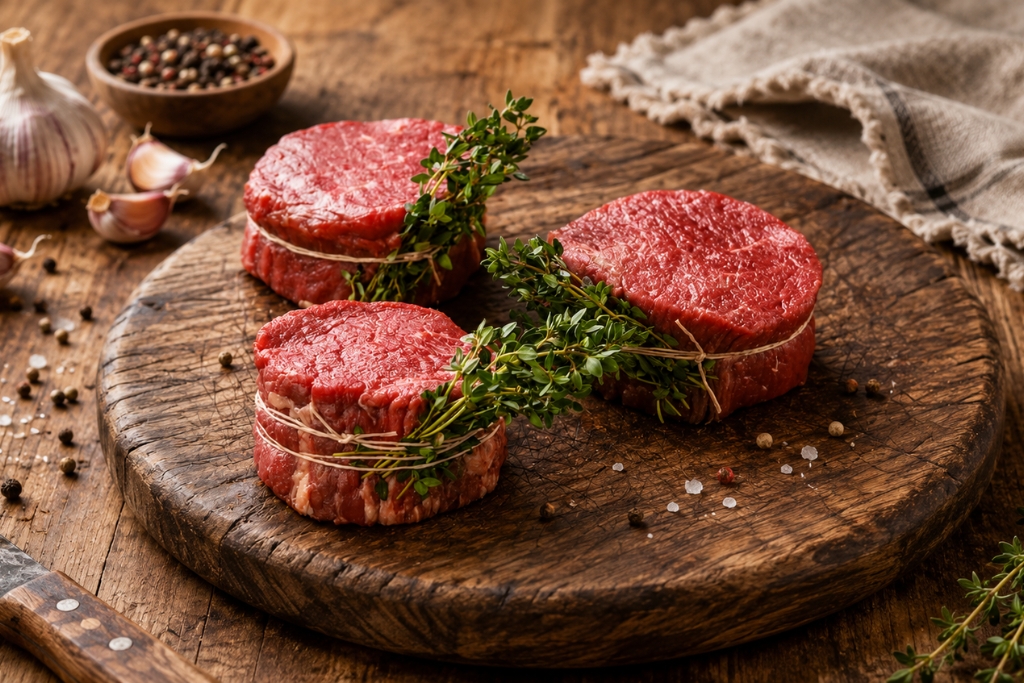
Raw poultry is one of the most common foodborne illness risks. Chicken and turkey can carry Salmonella and Campylobacter. These bacteria are not always visible or smellable. You cannot judge safety by appearance.
Cook poultry thoroughly and use a food thermometer when possible. Eggs also need care. Raw or undercooked eggs can carry Salmonella, especially in dishes like homemade mayonnaise, raw batter, mousse, or runny egg preparations. If a recipe requires raw egg, use pasteurized eggs. That small swap can reduce risk.
Food hygiene
Smart food hygiene habits
Safe food handling practices are not complicated, but they do require consistency.
- Wash hands before and after handling raw foods.
- Keep raw poultry away from salads and ready-to-eat foods.
- Use separate cutting boards for meat and vegetables.
- Cook poultry to a safe internal temperature.
- Boil dried kidney beans properly before use.
- Wash produce under running water.
- Refrigerate leftovers within two hours.
- Clean knives, counters, and boards after raw prep.
Cross-contamination prevention matters because germs can move easily from raw meat, dirty hands, or unwashed tools to foods you will not cook again. That is how many kitchen mistakes happen.
Conclusion
Avoid eating raw foods that are known to carry avoidable risks, especially kidney beans, cassava, certain mushrooms, green potatoes, poultry, and unpasteurized or raw egg preparations. Healthy eating should not mean gambling with food poisoning. Good nutrition advice always includes good food hygiene, smart cooking tips, and safe meal preparation. Raw foods can be part of a balanced diet, but only when they are suitable to eat that way. When heat is needed, use it. Your body gets more benefit from food that is both nourishing and safely prepared.