The Real Link Between Blue Light and Sleep Quality
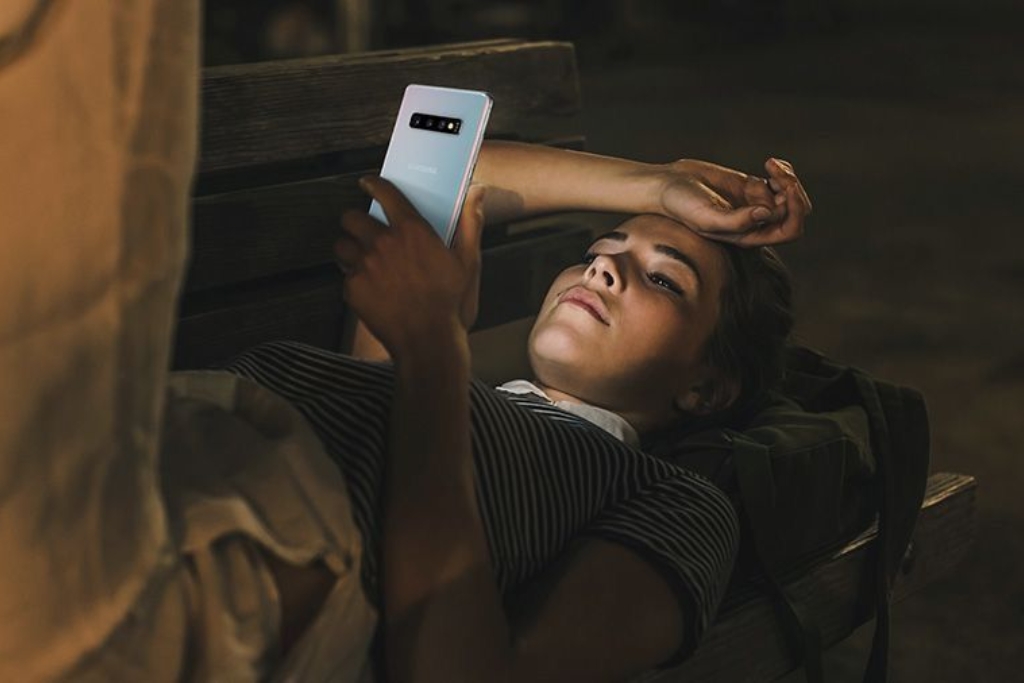
blue light and sleep
For years, blue light and sleep have been treated like cause and effect. If you used your phone before bed, the assumption was simple: the blue glow was ruining your rest. That idea shaped everything from amber glasses to aggressive night filters.
But newer research and better sleep tracking in 2026 are changing the conversation. The real issue may not be the color of your screen at all. It may be brightness, mental stimulation, and what your brain is doing while you scroll.
The brightness problem matters more
The biggest update in blue light and sleep science is the shift from spectrum to intensity. Yes, blue wavelengths can influence the Circadian rhythm, but the effect depends heavily on how much light actually reaches the eye. A dim phone on the lowest brightness setting has far less biological impact than a bright, warm-toned lamp in your bedroom.
This is where the Brightness vs. Spectrum debate becomes important. A lot of people assume Night mode settings automatically solve the problem. Actually, total screen brightness often matters more than the shade of the light.
The screen isn’t always the real culprit
One reason the blue light and sleep myth stayed so strong is because the timing feels obvious. You use your phone. Then you cannot fall asleep. It seems connected. But often the issue is not the light source. It is the Pre-sleep cognitive load created by the content.
Work emails, emotionally charged news, fast-moving short videos, gaming, and social media arguments all increase alertness. This raises Dopamine-driven arousal, making it harder for the brain to shift into sleep mode.
So yes, the phone is part of the issue, but often because of stimulation, not color.
Melatonin suppression is more nuanced
The old belief around Melatonin suppression was too simplistic.
Modern sleep hygiene 2026 research focuses more on Melanopic illuminance, which measures how strongly light activates the eye’s wake-sensitive receptors.
This is influenced by:
- total brightness
- viewing distance
- screen size
- room darkness
- content intensity
- duration of use
A bright tablet in a pitch-dark room has a stronger effect than a dim phone used briefly.
That is why blue light and sleep cannot be reduced to “blue is bad.”
Your brain responds to emotional stimulation faster than color
Actually, this is where most people miss the real sleep disruptor. A calm e-book at low brightness and a stressful work thread on the same screen do not affect the brain the same way. The content changes the nervous system response far more quickly.
This is why many people experience poor Sleep quality myths around devices. They blame the screen when the bigger problem is the brain staying emotionally engaged. A practical rule: if the content raises your heart rate, curiosity, stress, or problem-solving mode, it is more disruptive than the screen tint itself.
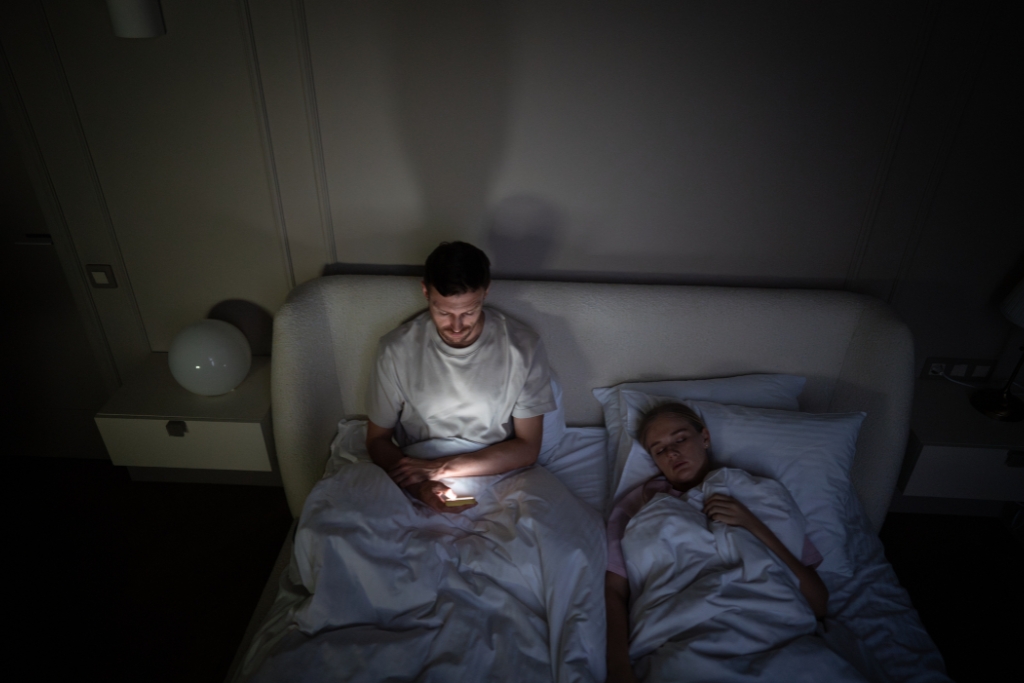
screen time effects
Better digital wellness habits before bed
Instead of obsessing over filters, focus on better Digital wellness habits.
The most effective routine includes:
- lower brightness to the minimum comfortable level
- avoid emotionally stimulating content
- switch to passive reading or audio
- keep overhead lights dim
- avoid fast-paced scrolling loops
- stop work-related screen use 30 minutes before bed
These habits improve blue light and sleep outcomes far more reliably than relying only on filters.
Morning light is still the strongest fix
The best way to improve nighttime sleep is often what you do after waking. Strong natural daylight in the morning helps reinforce Circadian entrainment 2026, which anchors the body’s sleep-wake cycle. This makes the brain less sensitive to small nighttime screen exposures.
This is one of the most effective Biohacking sleep habits available, and it costs nothing.
The smarter way to think about screens and sleep
The truth is not that phones are harmless. It is that the old blue light and sleep narrative was incomplete. Brightness, timing, room darkness, and especially mental engagement matter far more than simply whether the light looks blue. Once you stop blaming the screen color alone, it becomes much easier to fix the habits that actually damage rest, improve Insomnia relief, and build a sleep routine that feels realistic instead of restrictive.