Beef Tallow Skincare for Dry and Sensitive Skin
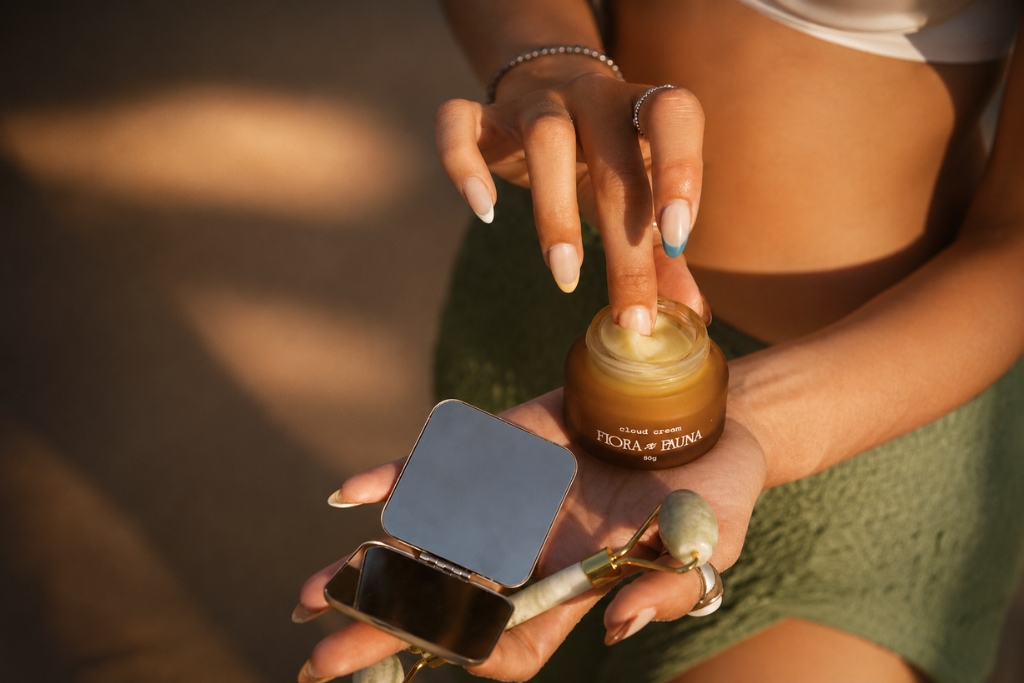
beef tallow skincare
Open TikTok or Instagram right now and there’s a good chance you’ll see someone rubbing whipped beef fat onto their face while calling it the future of skincare. Strange? Maybe. But the rise of beef tallow skincare has become one of the biggest natural skincare trends of 2026.
A lot of people are exhausted by complicated routines. Ten-step regimens. Harsh actives. Expensive serums that promise everything and fix very little. So when something “ancestral” enters the conversation, people pay attention.
But here’s the real question: does it actually work, or is this another viral clean beauty cycle that disappears in six months? The answer sits somewhere in the middle.
What Beef Tallow Actually Is
Tallow is simply rendered animal fat, usually sourced from cattle. In skincare, the focus is almost always on grass-fed tallow balm because its nutrient profile differs from conventionally raised sources.
The reason beef tallow skincare gained momentum comes down to composition. Tallow contains fats and lipids that closely resemble some of the oils naturally found in human skin. That similarity matters. Instead of sitting heavily on the surface like some synthetic creams, many users find that tallow absorbs more naturally, especially on dry or damaged skin.
Why People Swear By It
The appeal isn’t completely made up. There’s actual science supporting parts of the trend.
Tallow contains:
- Fat-soluble vitamins A, D, E, and K
- Conjugated linoleic acid (CLA)
- Palmitic and stearic acids
- Naturally occurring lipids that support skin barrier repair
These nutrients help explain why people with dryness or irritation often react positively to it.
What’s important here is barrier support, not miracle transformation. A damaged skin barrier loses moisture quickly and becomes reactive. Rich fats help slow that process down. That’s why beef tallow skincare is becoming popular among people dealing with eczema, flaky skin, or over-exfoliation from harsh products.
Beef Tallow Skincare vs Modern Moisturizers
This is where the debate gets interesting. Plant-based moisturizers usually focus on lightweight hydration. Tallow works differently. It behaves more like an occlusive layer, helping trap moisture while softening the skin over time.
For some people, that’s exactly what their skin needs.
For others, especially oily or acne-prone users, it may feel too heavy.
That’s because tallow contains oleic acid. While nourishing for dry complexions, high oleic acid levels can trigger congestion in people already prone to clogged pores. So no, this isn’t universally “non-comedogenic,” despite what some influencers claim. And honestly, that’s where the dermatologist vs influencer divide becomes obvious.
The Problem With the Internet’s Version
Social media tends to flatten nuance. One creator calls it a miracle. Another calls it dangerous. Neither side usually explains context. The reality is more practical.
Beef tallow skincare works best for very specific skin concerns: dryness, barrier damage, irritation, and sensitivity. It’s not automatically better than modern formulations, and it definitely isn’t a replacement for evidence-based treatment when dealing with severe acne or medical skin conditions.
What it can do well is reduce transepidermal water loss and provide comfort to stressed skin. That’s useful. But it’s not magic.
Why Eczema Communities Are Paying Attention
One area where tallow keeps appearing is eczema support. People searching for benefits of using grass fed beef tallow for eczema often describe the same experience: less tightness, reduced cracking, and calmer flare-ups.
That makes sense scientifically.
Eczema involves barrier dysfunction. Skin struggles to hold moisture and protect itself. Tallow provides a thick protective layer while supplying fats that mimic the skin’s natural structure. Still, it’s important to remember that soothing symptoms isn’t the same as curing eczema. For many people, it works best alongside proper dermatological care rather than instead of it.
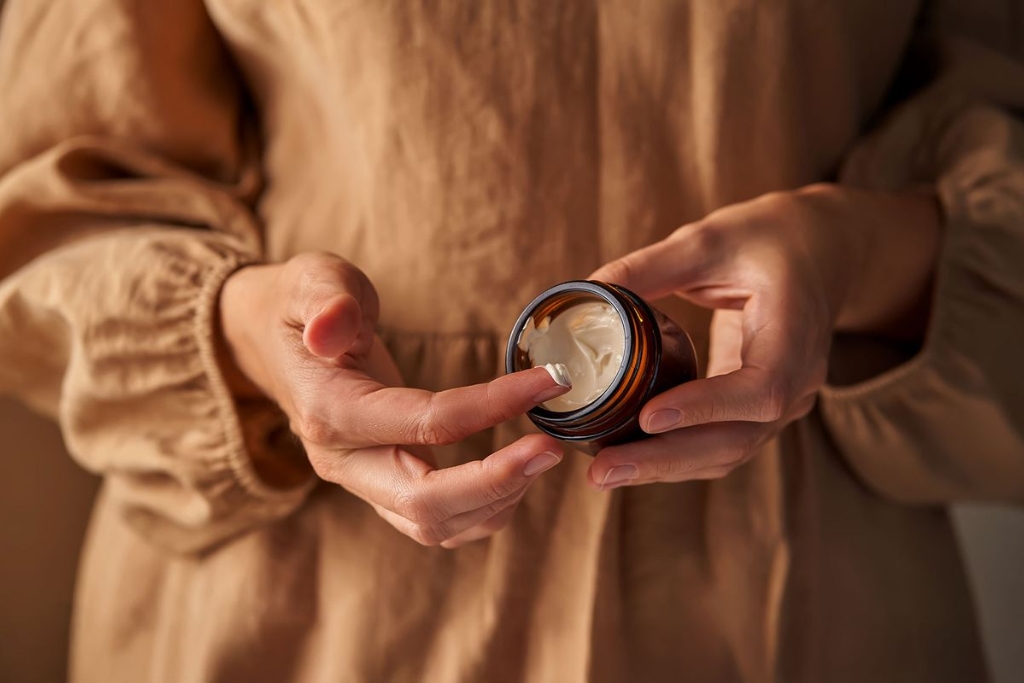
beef tallow for skin
How to Use It Without Overdoing It
One mistake people make is applying way too much. Tallow is dense. A tiny amount goes far.
Here’s the simplest approach:
- Apply to slightly damp skin
- Warm a pea-sized amount between your hands
- Press gently into dry areas
- Use mainly at night for better absorption
Whipped formulas tend to feel lighter and spread more evenly than solid balms. And yes, smell matters. High-quality grass-fed tallow balm should smell neutral or mildly earthy—not aggressively “beefy.”
Is It Better Than Plant-Based Products?
Not necessarily. That’s the wrong comparison.
Beef tallow vs. plant-based moisturizers for sensitive skin really comes down to skin type and tolerance. Some people respond beautifully to jojoba, oat, or ceramide creams. Others need something richer.
Tallow simply fills a gap many modern products stopped addressing: deep nourishment without heavy fragrance or complicated ingredient lists. That simplicity is part of why the trend exploded.
Final Thoughts
The truth about beef tallow skincare sits far away from the internet extremes. It’s neither a miracle cure nor a ridiculous scam. It’s an old-school moisturizer that happens to work very well for certain skin types.
For dry, irritated, or barrier-damaged skin, it can genuinely help restore comfort and reduce moisture loss. For oily or breakout-prone complexions, it may not be the best fit.
And honestly, that’s okay. Skincare doesn’t need one universal answer. Sometimes the best products are simply the ones your skin responds to consistently. In 2026, that’s exactly why beef tallow skincare continues gaining attention far beyond influencer trends.