Best Morning Exercise for Older Adults to Stay Active

morning exercise for older adults
As the science around healthy aging gets sharper in 2026, one finding keeps showing up: timing matters. Movement helps at any age, of course, but for older adults, the morning exercise window seems to deliver something extra. Better energy. Better balance. Better sleep later in the day. If you’ve been trying to build a more active lifestyle without overcomplicating it, the first few hours after waking may be the easiest and most effective place to begin.
What makes this especially useful is how naturally it fits into a morning routine. The body already experiences a natural rise in alertness hormones after waking, and using that momentum for light exercise, yoga, or a short walk can improve mobility, sharpen focus, and support longevity goals without feeling intense.
Why Morning Exercise for Older Adults Works Better
The biggest advantage of morning exercise for older adults is circadian rhythm alignment. Your internal body clock responds strongly to light, movement, and routine. For seniors, this becomes even more important because sleep cycles often become lighter and more fragmented with age.
A simple stretch session followed by morning sun exposure helps signal to the brain that the day has started. That early cue supports stronger melatonin release later at night, which means deeper and more predictable sleep. This is why morning walking routines for improved senior sleep cycles continue to gain attention in geriatric exercise science.
Even better, it builds habit consistency. Mornings usually come with fewer interruptions, which makes exercise easier to stick with long-term.
Better Joint Mobility and Less Stiffness
Many older adults wake up with stiffness in the knees, hips, shoulders, or lower back. It may feel tempting to stay still, but gentle movement is often the fastest way to reduce that discomfort.
A short exercise and yoga routine improves joint mobility for seniors by increasing circulation and lubricating the joints with synovial fluid. That means less stiffness as the day goes on and more confidence with walking, climbing stairs, or doing everyday tasks.
A strong morning start may include:
- 10 minutes of gentle stretching or yoga
- 15–20 minutes of low-impact senior cardio like walking
- Light balance work for ankle and hip stability
- Shoulder and neck mobility drills
- Controlled breathing to improve posture and calmness
This style of senior fitness is easy on the body but highly effective when repeated daily.
Morning Movement Supports Brain Health Too
The physical benefits are obvious, but the mental gains are just as valuable. One reason morning exercise for older adults matters is its strong connection to cognitive health and exercise.
A brisk walk, chair yoga flow, or mobility sequence increases blood flow to the brain early in the day. This often translates into sharper concentration, better mood, and improved memory through the afternoon. For many seniors, such activity also reduces that sluggish “slow start” feeling after breakfast.
Research-backed healthy aging strategies consistently show that early movement supports executive function, emotional balance, and long-term brain resilience. That makes a simple morning walk one of the most practical wellness habits available.
Why Morning Sun Makes the Difference
The sunlight part matters more than most people realize. Morning outdoor activity combines movement with natural light exposure, which strengthens circadian rhythm alignment and supports Vitamin D production.
This is where sun-synced morning walks become especially powerful. Just 20 minutes outside can support bone health, help regulate mood, and reinforce better sleep timing.
For older adults focused on longevity and an active lifestyle, this combination of movement plus sunlight creates a strong foundation for daily wellness.
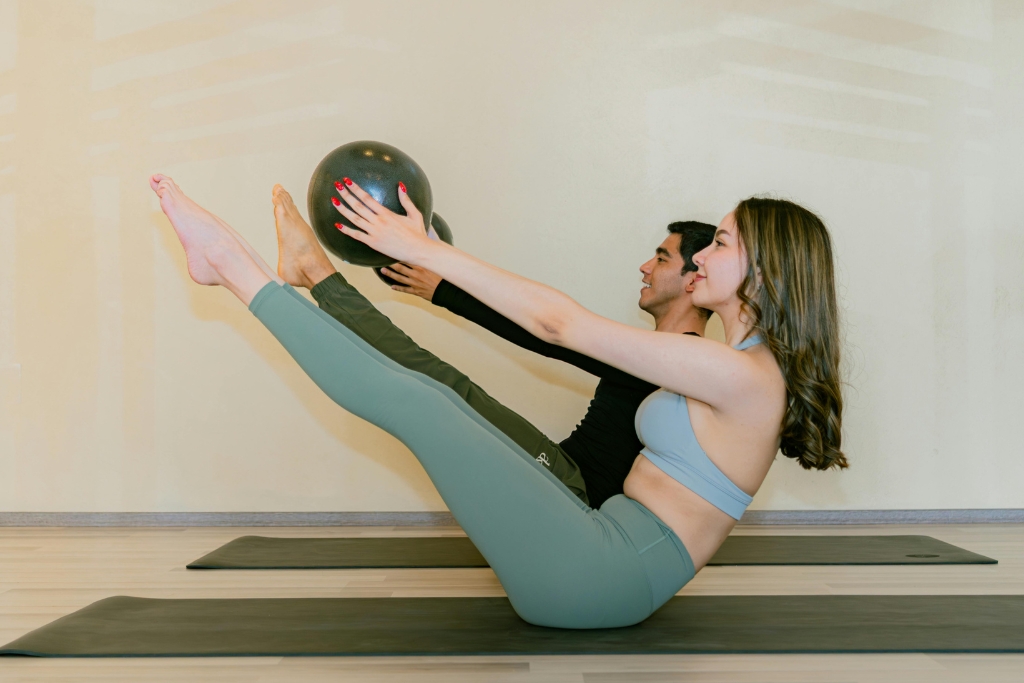
exercise and yoga
A Simple Morning Routine for Healthy Aging
The best routine is the one you’ll actually repeat. You don’t need a complicated gym setup.
A simple structure could look like this:
Wake up, hydrate, and spend 5 minutes doing gentle neck, shoulder, and hip movements. Follow that with 15 minutes of yoga focused on flexibility and posture. Then head outdoors for a 20-minute walk in the morning sun. Keep the pace comfortable but steady.
This approach supports healthy aging, improves mobility, and makes it easier to maintain consistency.
Conclusion
The real benefit of morning exercise for older adults is not intensity. It’s timing, rhythm, and repeatability. Early movement works with the body’s natural hormonal and sleep cycles, making it easier to improve strength, flexibility, and mental clarity without adding stress.
Over time, this small shift can improve senior fitness, support better sleep, strengthen joints, and help older adults stay independent for longer. The healthiest routine often isn’t the hardest one. It’s simply the one that begins with the morning.