Why AI Mental Health Is Growing Among Youth and Adults
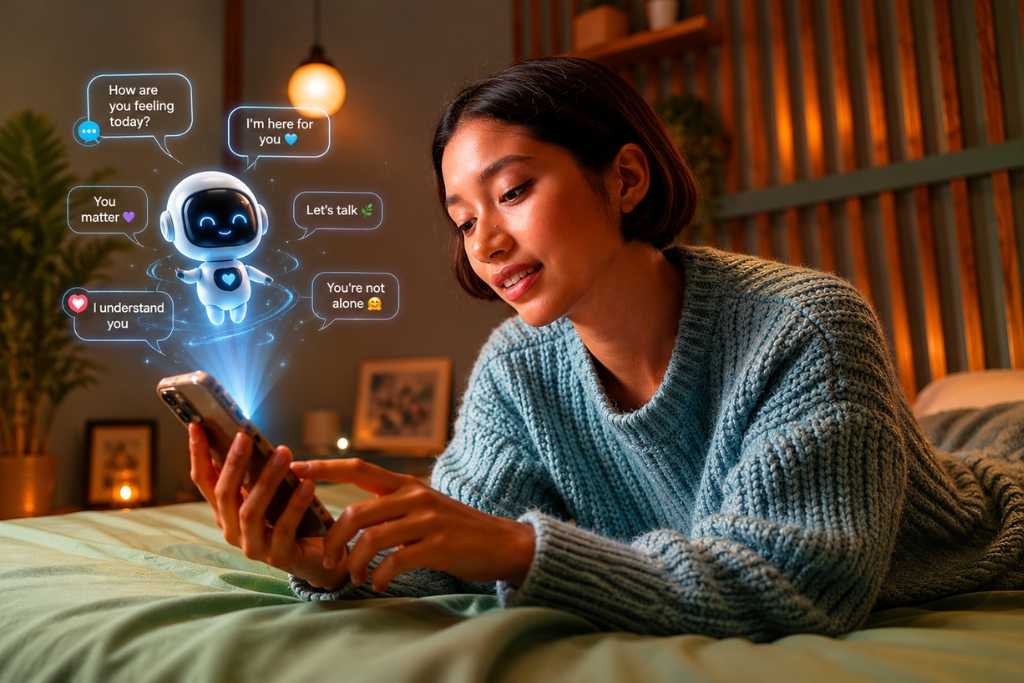
AI mental health
Mental health support does not always arrive when people need it most. Sometimes the hardest moments show up late at night, during a stressful commute, or in the middle of an ordinary day when something suddenly feels too heavy to carry alone.
That is part of the reason AI mental health tools are quietly becoming part of everyday life for both young people and adults. More people are opening apps for emotional check-ins, stress management, or simply someone, or something, to talk to. It sounds unusual at first, maybe even uncomfortable to some people. But for many, it already feels normal.
Still, the bigger question remains. Can technology genuinely support emotional well-being, or are we expecting too much from machines?
Why More People Are Turning to AI Support
The reality is simple. Mental health care is not always easy to access.
Therapy waitlists can stretch for weeks or months. Costs are high. And honestly, opening up to another person is not easy for everyone. Some people already struggle with anxiety, loneliness, overthinking, or fear of judgment, which makes asking for help feel even harder.
That gap has created space for digital mental health tools to grow.
Unlike traditional therapy, AI support is immediate. No appointment. No waiting room. No pressure to explain why you waited so long before asking for help. Whether someone feels overwhelmed at 2 PM or spiraling emotionally at 2 AM, support feels available instantly. And for many people, that availability matters more than we realize.
What Makes AI Feel Easier to Talk To?
This is where personal experience becomes interesting.
As an adult, I can honestly understand why many people are turning toward AI for emotional support. One thing that stands out is the feeling of not being judged.
When talking to another person, even a therapist, there is sometimes a quiet fear in the back of your mind. What are they thinking? Did I say something weird? Are they silently judging me? Facial expressions, pauses, and reactions—all of it can make vulnerable conversations feel intimidating.
With AI, that pressure feels different.
You know it is not human. You know there are no facial reactions, awkward silences, or visible judgment. Yet strangely, many people still feel understood. It feels like sharing thoughts with something that will not shame you but will still try to “see through” the mess and suggest practical ways forward. That emotional safety, even if digital, explains why AI companionship feels comforting to some users.
What AI Therapy Actually Looks Like
When people hear the phrase “AI therapy,” they often imagine robots replacing psychologists. That is not really what is happening. Most tools today fall into two categories.
Some work like guided mental wellness assistants. These apps encourage journaling, mood tracking, calming exercises, or thought reframing techniques inspired by therapy approaches like Cognitive Behavioral Therapy. Others focus more on AI companionship. These are conversational tools designed to feel emotionally responsive. They remember details, continue conversations, and offer something many people quietly need: consistency.
That consistency matters.
Sometimes people are not looking for deep advice. Sometimes they just want to feel heard for ten minutes after a difficult day. And unlike traditional therapy, AI does not “clock out.”
If someone is emotionally overwhelmed after a hectic workday, struggling with relationship stress, or suddenly spiraling late at night or early in the morning, a paid therapist may understandably be asleep or unavailable. AI, on the other hand, is there 24/7, often free or low-cost, and immediately accessible.
That does not make it better than therapy. But it does make it useful.
Why Younger People Are Using It More
Teenagers and young adults are often the quickest to try new forms of emotional support. Academic pressure, identity struggles, friendship problems, social anxiety, and loneliness are already difficult enough to navigate. Add fear of judgment, and traditional support can feel even harder to reach.
This is where AI therapy for youth often enters the picture.
A teen struggling with stress may feel safer talking to an app than speaking openly with parents, teachers, or school counselors. Some AI chatbots for anxiety offer breathing exercises, grounding techniques, journaling prompts, or calming suggestions to help users process overwhelming emotions.
But there is an important limit here.
Can AI companion bots replace real therapy for youth? Honestly, no.
Human therapists notice things machines cannot. Body language. Silence. Emotional shifts. Trauma signals. Family dynamics. Those deeper layers matter when mental health struggles become serious. AI can support emotional wellness, but it should not carry the full weight of someone’s mental health alone.
Adults Are Using AI for Different Reasons
For adults, the motivation often looks different. Many people are simply exhausted. Work pressure, caregiving responsibilities, loneliness, burnout, financial stress, or emotional overload can pile up quietly. Sometimes people do not even need answers immediately. They just need somewhere to unload thoughts without feeling like they are burdening someone else. That helps explain the rise of AI companions for adults.
Personally, one thing I have noticed is how helpful AI can be when thoughts feel messy. You might type one giant emotional paragraph full of stress, confusion, frustration, and overthinking. Somehow, AI often breaks it down point by point. It organizes the chaos into sections, identifies patterns, and gives suggestions step by step.
And honestly, seeing messy thoughts become organized can feel relieving. What felt overwhelming suddenly feels manageable. The best artificial intelligence therapy apps for adults are not necessarily replacing therapy. Instead, they often act like emotional support between therapy sessions or during periods when professional care feels unavailable or financially difficult.

AI therapy
Healthy Ways to Use AI Mental Health Tools
If you are curious about trying AI mental health support, balance matters:
- Use it for reflection, emotional check-ins, or stress relief
- Treat it as support, not your only emotional outlet
- Be mindful of privacy and understand app policies
- Reach out to licensed professionals when anxiety, depression, or emotional distress feels persistent
Technology works best when expectations stay realistic.
The Bigger Concern Nobody Talks About
There is also a quieter conversation happening around emotional dependence. Because online therapy bots are endlessly patient, available, and validating, some users may slowly start preferring digital interaction over real relationships. Human conversations can feel messy, unpredictable, or disappointing by comparison.
That does not automatically make the technology harmful. It just means boundaries matter. Real emotional growth still happens through human relationships, difficult conversations, uncomfortable honesty, and support systems outside a screen.
The future of AI mental health probably will not look like machines replacing therapists. It will likely look more like partnership. A digital therapy companion might help someone calm anxious thoughts, feel less alone after a difficult day, organize emotional overwhelm, or finally build enough confidence to seek professional care. And honestly, if AI helps someone take that first step toward feeling better, that matters more than people sometimes admit.