8 Minute Pilates Moves to Sculpt Your Core Fast
8 Minute Pilates
If your lower back constantly feels tight, your posture collapses halfway through the day, or traditional crunches leave your neck hurting more than your abs, you’re not alone. A lot of people chase visible abs without ever training the muscles that actually support the body underneath. That’s exactly why the rise of the 8-minute Pilates routine makes sense right now.
The appeal isn’t just convenience. This style of training focuses on deep core stability, controlled breathing, and functional movement instead of exhausting high-rep workouts that leave you sore but unstable. In many ways, it fits perfectly into the growing Home fitness trends 2026 movement, where people want shorter workouts that actually feel sustainable.
And honestly, eight focused minutes can do more than forty distracted ones.
Why the Deep Core Matters
Most people think “core” means visible abs. It doesn’t. Your real support system sits deeper, especially the transverse abdominis activation layer that wraps around the torso like a natural belt. When that muscle weakens, posture suffers, lower back pressure increases, and balance starts feeling off during everyday movement.
That’s why this 8-minute Pilates routine works differently from a standard abs workout at home. Instead of aggressive twisting or endless sit-ups, the focus stays on control. Slower movement. Better alignment. Stronger activation.
Many physiotherapists now prioritize deep core stability before recommending advanced strength training because it improves movement efficiency across the entire body.
The 7-Exercise Core Circuit
This seven-exercise core circuit doesn’t require equipment, expensive memberships, or much space. Just a mat and a little consistency. The key is moving slowly enough that the muscles never fully relax.
- Toe Taps
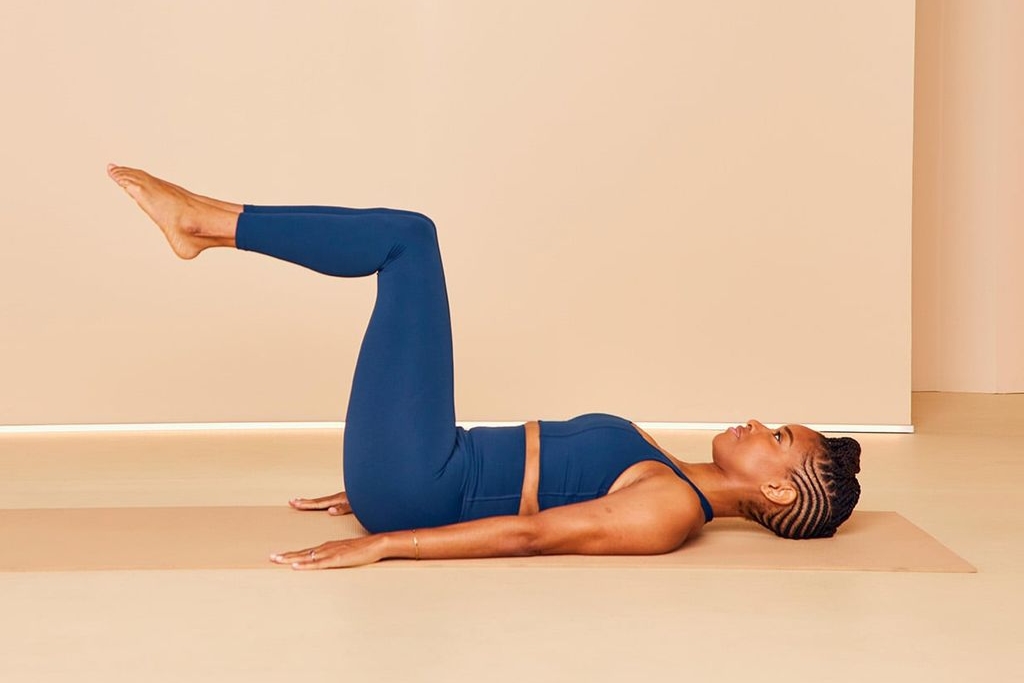
Lie on your back with knees lifted into a tabletop position. Lower one foot slowly toward the floor, then return. This movement looks easy. It isn’t. Toe taps are excellent for pelvic floor health and teaching the body how to stabilize without arching the lower back.
- Dead Bugs
Opposite arm and leg extend away from the center while your core stays braced. Dead bugs improve coordination and help with spinal alignment exercises because they train the body to resist rotation instead of collapsing under movement.
- Pilates Crunch
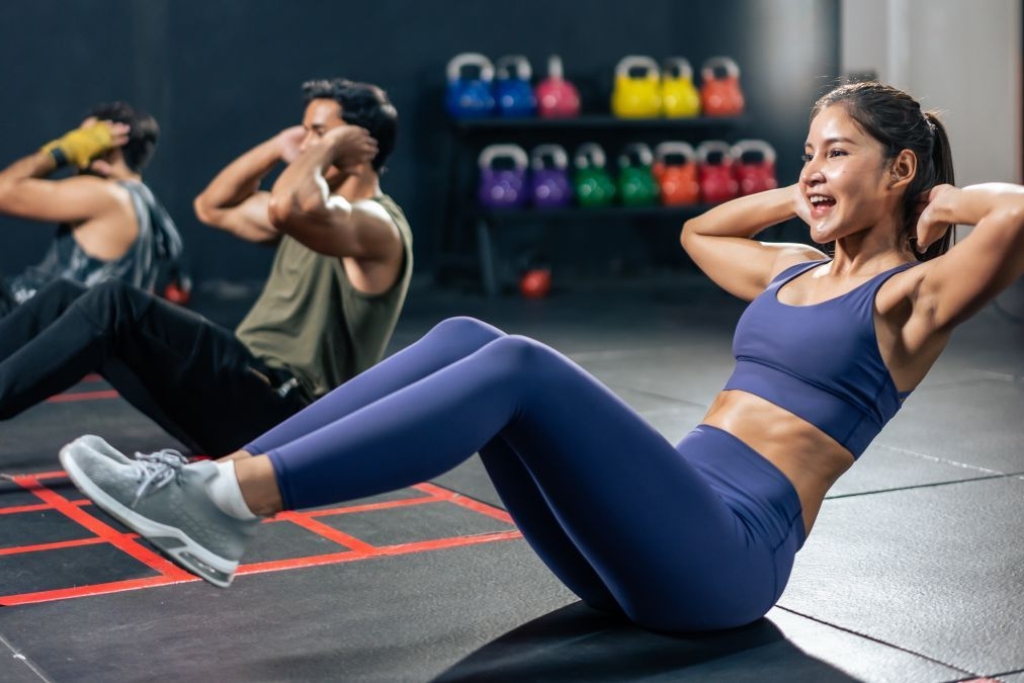
Forget the aggressive crunches from old-school gym classes. A proper Pilates crunch is small, controlled, and intentional. You lift through the ribs rather than yanking the neck forward. That difference matters.
- Crunch With Leg Reach
Adding a leg extension increases instability, forcing the deep core to work harder. This is where many people realize how much they rely on momentum instead of actual strength.
- Slow Bicycle Rotations
Most people rush bicycle crunches. That’s the mistake. In mindful movement practices like Pilates, slowing down creates more muscle tension and far better control through the obliques and lower abs.
- Leg Lowers
This one challenges the entire deep core system. Lower both legs only as far as you can without letting your lower back peel away from the mat. That controlled stopping point is where real strength develops.
- Flutter Kicks
Short, sharp movements finish the circuit while keeping tension locked through the lower abs. It burns quickly. In a good way.
The Breathing Technique Changes Everything
Pilates breathwork is one of the biggest reasons this routine feels different from traditional ab training. Instead of holding your breath through difficult moments, you use controlled exhalations to activate the deepest abdominal muscles. The exhale should feel deliberate, almost like slowly blowing air through a straw.
That breathing pattern improves focus, supports spinal positioning, and keeps the neck and shoulders from overcompensating during movement. For Pilates for beginners, mastering the breath often matters more than increasing intensity.
Pilates for Core strengthening
Why Low-Impact Fitness Is Winning in 2026
There’s a reason low-impact fitness continues growing so quickly. People are tired of feeling destroyed after every workout. Constant joint strain and aggressive training schedules aren’t sustainable for most lifestyles. This routine gives the body a challenge without unnecessary impact.
That’s especially useful for busy professionals spending long hours seated at desks. A quick daily exercise that improves posture, movement quality, and stability becomes much more valuable than another extreme workout trend.
Here’s why many people stick with this style of training:
- No equipment required
- Easy to fit into busy schedules
- Supports functional core strength
- Lower risk of joint stress
- Helps posture and body awareness
- Works well for beginners and advanced users
The Real Secret Is Consistency
The best quick Pilates routine isn’t the hardest one. It’s the one you’ll actually repeat.
That’s where this 8 minute Pilates approach stands out. It removes the mental barrier that comes with longer workouts while still building real strength underneath the surface. Done consistently, these seven exercises to sculpt abs in under ten minutes can improve posture, reduce lower back strain, and create better movement patterns throughout the day. The body responds well to focused repetition, especially when paired with controlled breathing and mindful movement. Sometimes the smartest fitness routine isn’t the loudest one. It’s the one that quietly makes your body feel stronger week after week.