Best Dehydration Drinks for Heat and Fatigue
best dehydration drinks
Water is important. No argument there. But if you’ve ever finished a workout, spent too much time in the heat, or recovered from illness and still felt drained after drinking bottle after bottle of water, you already know something feels off. That’s because the best dehydration drinks do more than replace fluid. They help restore the minerals your body loses too.
When dehydration symptoms show up, plain water sometimes isn’t enough. Your body also needs sodium, potassium, and other electrolytes to actually absorb and hold onto that fluid properly. Without them, hydration can feel frustratingly temporary.
Why Water Sometimes Falls Short
Hydration science has shifted quite a bit in recent years. By 2026, experts are focusing more on electrolyte balance markers rather than just “drink more water” advice.
Think of it like this: water opens the door, but electrolytes help the fluid stay inside the house.
If you are sweating heavily, dealing with travel fatigue, recovering from a stomach bug, or noticing dehydration symptoms like headaches, dizziness, dark urine, or muscle cramps, reaching for something beyond water for hydration often works faster.
The real difference comes down to osmolality in drinks, meaning how concentrated a beverage is with salts and sugars. Some drinks absorb quickly. Others sit in your stomach. That distinction matters more than people think.
The Science Behind Better Rehydration
Most hydration strategies now divide drinks into three categories:
Hypotonic drinks absorb quickly because they contain lower concentrations of sugar and electrolytes. These are ideal for fast rehydration. Isotonic drinks closely match the body’s natural fluid balance. These work well during moderate exercise or heat exposure.
Hypertonic drinks contain more sugars and calories. They can support endurance performance but are less effective for fast hydration recovery. For most people dealing with mild to moderate dehydration symptoms, hypotonic or isotonic options tend to work best.
The Best Dehydration Drinks Worth Trying
Let’s skip the marketing noise and get practical. Here are the best dehydration drinks that actually make sense depending on what your body needs.
- Oral Rehydration Solutions (ORS)
This is the medical gold standard. Oral rehydration solutions use a very specific ratio of glucose and sodium to improve fluid absorption in the gut. That’s why hospitals often recommend them after illness.
Brands similar to Pedialyte or pharmacy-grade electrolyte drinks are among the most effective drinks for severe dehydration symptoms. The downside? Taste. Let’s be honest, some of them taste aggressively salty. But they work.
- Electrolyte Powders
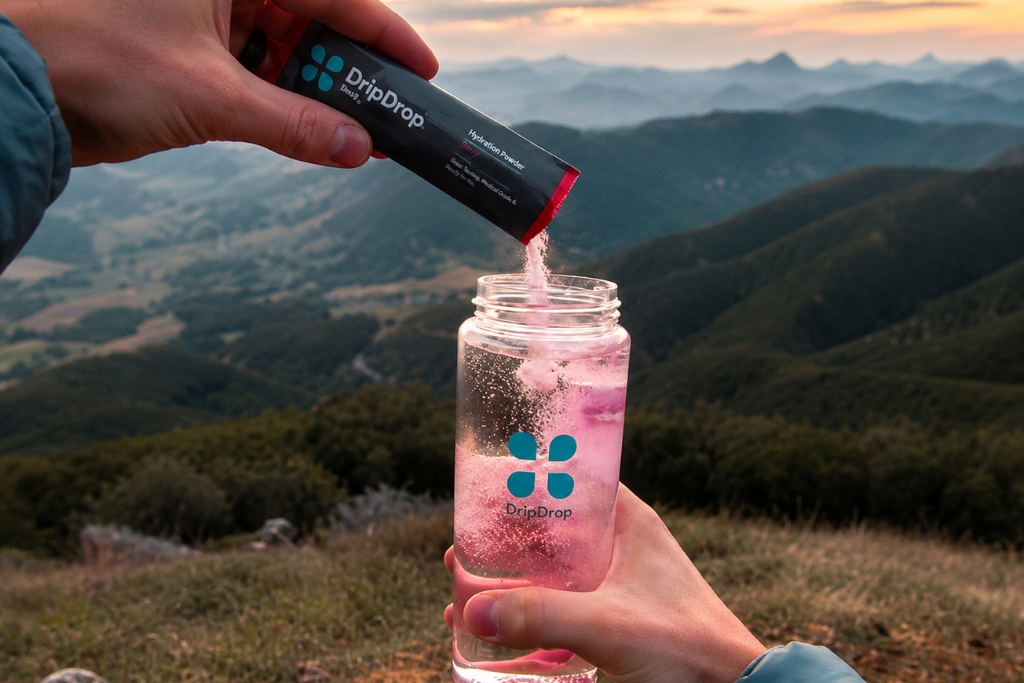
Electrolyte packets have exploded in popularity, and not without reason. Many Liquid IV reviews point to convenience as the biggest advantage. You can throw a stick into your gym bag, travel backpack, or office drawer and have fast hydration ready in seconds.
Some formulas contain higher sodium levels, which makes them especially useful after long workouts or heat exposure. That said, watch the sugar content. Some sports drinks’ 2026 options add more sweetness than your body actually needs.
- Coconut Water
For anyone who prefers natural electrolytes, coconut water still deserves attention. The biggest coconut water benefits come from its naturally high potassium levels. It acts as one of the easiest potassium-rich beverages to incorporate into daily hydration.
It may not replace medical-grade oral rehydration solutions for severe dehydration, but it works surprisingly well for everyday recovery. Just check labels carefully. Some brands quietly sneak in added sugar.

hydration strategies
Quick Signs You Need More Than Water
Sometimes your body gives clues before dehydration gets serious.
Watch for:
- Persistent headaches
- Dry mouth or cracked lips
- Muscle cramps after activity
- Fatigue that feels unusual
- Dark yellow urine
- Dizziness or lightheadedness
These dehydration symptoms usually signal your electrolyte balance markers may already be dropping. Ignoring them tends to make recovery slower.
Sugar-Free Rehydration Is Growing Fast
One noticeable shift in 2026? Sugar-free rehydration.
Many people now want hydration without extra calories or blood sugar spikes. That’s led to more electrolyte drinks using stevia or monk fruit instead of traditional sugar-heavy formulas.
Interestingly, hydration science still supports small amounts of glucose for sodium transport. So completely sugar-free isn’t always automatically “better.” It depends on the situation. After intense sweating or exercise, some sugar can actually improve absorption.
Choosing the Right Drink for Your Situation
Not every hydration problem needs the same fix. If you’re mildly dehydrated after a walk outside, coconut water or a low-sugar electrolyte powder may be enough. If you’re dealing with vomiting, stomach illness, or severe heat exhaustion, oral rehydration solutions usually outperform everything else.
And for athletes? Sports drinks 2026 formulas still have value when training sessions stretch beyond an hour. The smartest hydration strategies match the drink to the reason you’re dehydrated in the first place.
The truth is, staying hydrated is no longer just about drinking more water. It’s about drinking smarter. The best dehydration drinks help your body absorb fluid efficiently instead of simply flushing it out. Whether that means electrolyte powders, coconut water, or a proper oral rehydration solution depends on your situation. What matters most is paying attention to how your body feels before mild dehydration quietly turns into something harder to recover from. Sometimes, the right drink really does make the difference between feeling sluggish and feeling like yourself again.