Camping for Sleep Could Be the Reset Your Body Needs
camping for sleep
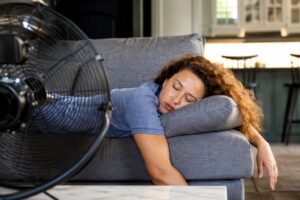
If you’ve been struggling to sleep lately, you’re not alone.
Maybe you fall asleep late. Maybe you wake up tired even after eight hours. Or maybe your brain refuses to quiet down the second your head hits the pillow. It happens. More often than people admit. But what if better sleep had less to do with expensive mattresses or supplements and more to do with stepping outside?
Recent conversations around camping for sleep suggest something surprisingly simple: spending time outdoors may help your body return to the sleep rhythm it was designed to follow. No complicated hacks. No trendy gadgets. Just light, darkness, and nature doing what they’ve always done.
Why modern life quietly works against sleep
Here’s the problem. Most of us live indoors.
We wake up to alarms, spend hours under office lighting, stare at screens all evening, and fall asleep with artificial light still bouncing around our bedrooms. Over time, this pattern starts interfering with the body’s internal timing system.
That timing system matters more than people realize. Your body naturally follows a sleep schedule controlled by light and darkness. This process, often linked to a circadian rhythm reset, helps determine when you feel alert and when your body starts preparing for sleep.
The trouble is, modern life constantly interrupts it. Artificial lighting and late-night scrolling contribute to artificial light sleep disruption, delaying natural sleep signals and throwing off your rhythm without you even noticing.
How nature helps your body reset
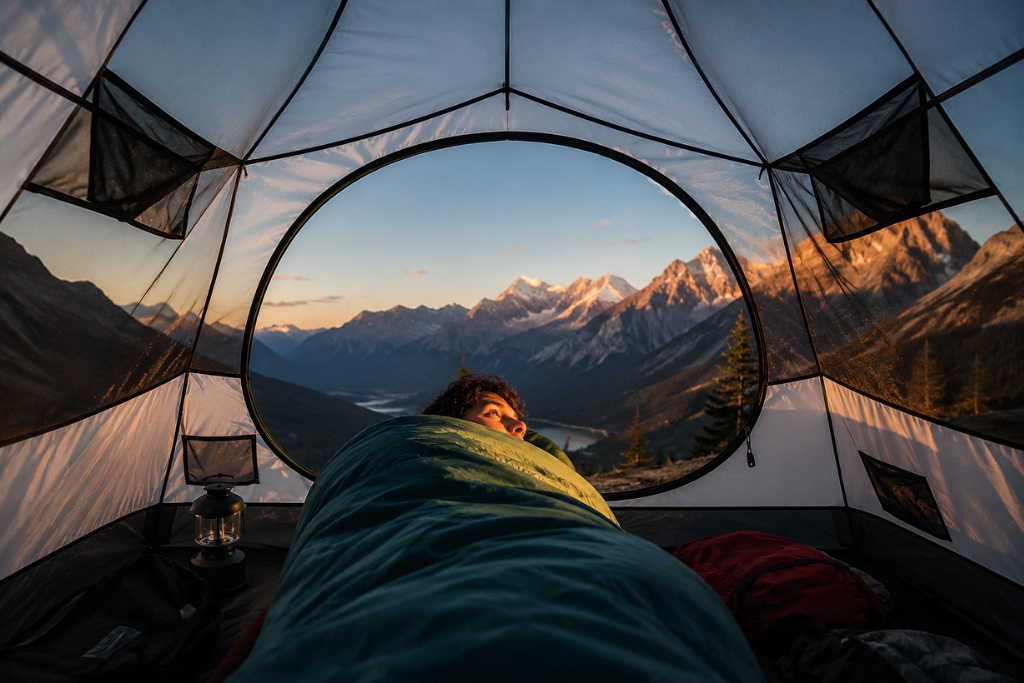
This is where camping for sleep becomes interesting. When you spend time outdoors, especially overnight, your body receives something it often misses indoors: strong natural light exposure during the day and genuine darkness at night. That combination changes things quickly.
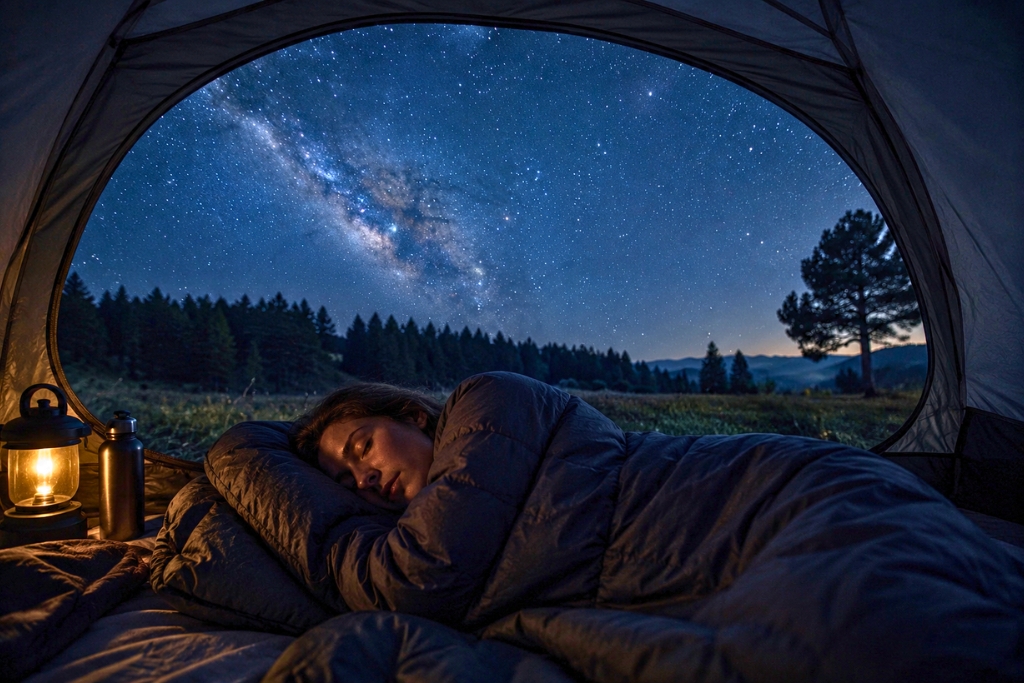
Morning sunlight tells your brain it’s time to wake up and stay alert. As evening arrives, darkness naturally supports melatonin production, the hormone closely tied to sleepiness. No notifications. No glowing kitchen lights. No television quietly running in the background. Just darkness.
That shift supports melatonin synchronization, helping your body reconnect with a healthier natural sleep-wake cycle. Actually, many people notice this effect after only a weekend outdoors. They start feeling sleepy earlier and wake up more refreshed, sometimes without needing an alarm at all.
The science behind outdoor sleep benefits
The growing conversation around outdoor sleep benefits is not just about relaxation. It comes down to biology.
Our internal body clock depends heavily on environmental signals. In natural settings, those signals become clearer and more predictable. This process, sometimes described as the entrainment of biological clock pathways, helps the body realign itself.
Research around circadian biology camping has shown that even short outdoor trips may shift sleep timing closer to natural daylight patterns. That matters because many sleep struggles are not necessarily about insomnia itself. Sometimes the body simply loses track of when it is supposed to rest. And honestly, modern schedules rarely help.
Small camping lessons you can use at home
You do not need to disappear into the woods every weekend to see benefits. The biggest lesson from the health benefits of camping is understanding how your environment shapes sleep. You can bring parts of that experience home.
Try these simple changes:
- Get at least 15 to 30 minutes of morning sunlight after waking
- Reduce bright lights and screens before bedtime
- Replace late-night scrolling with quieter habits like reading
- Spend more daytime hours outdoors whenever possible
These small adjustments support stronger sleep hygiene habits and may help with insomnia natural remedies before jumping straight into medications or sleep aids.
Pro tip: If you cannot camp regularly, try taking short nature breaks during the week. Even daytime outdoor exposure may help your internal clock stay more stable.
circadian rhythm reset
Why sleep quality feels different outdoors
There is also something psychological happening. Nature tends to slow things down.
Less noise. Fewer alerts. Fewer decisions.
That mental shift often supports sleep quality in nature, making it easier to relax and disconnect from the overstimulation that follows many of us home each night. This idea, sometimes connected to wilderness therapy, reminds us that rest is not only physical. Mental quiet matters too. And for many people chasing a better night’s sleep, that quiet has become surprisingly rare.
Conclusion
A perfect sleep routine does not always start with another product purchase. Sometimes it starts with stepping outside. Camping for sleep works because it removes the distractions and environmental confusion that often pull your body away from its natural rhythm. Whether you spend a weekend under the stars or simply borrow a few habits from outdoor living, the message stays the same: your body already knows how to sleep well. It may just need the right signals again. If improving sleep quality by spending time outdoors sounds simple, that’s because sometimes the best health habits are.