Why a More Fiber Detox Works Better Than Cleanses

more fiber detox
Every few months, the same promise circles back online: reset your body, flush out toxins, and feel lighter in just three days. Juice cleanses suddenly dominate social feeds, powdered detox drinks fly off shelves, and expensive wellness kits start sounding like the answer to bloating or sluggish digestion.
But here’s the uncomfortable truth: a more fiber-detox approach makes far more sense than another trendy cleanse. If digestion feels off, energy feels flat, or bloating keeps showing up after meals, the body usually isn’t asking for restriction. It is asking for support. More specifically, it is often asking for more fiber.
Why Cleanses Sound Good But Rarely Deliver
The idea behind a cleanse feels appealing. Drink juice for a few days, “reset” the body, and supposedly eliminate toxins. The problem is that the body already comes with a detox system built in.
The liver filters waste. The kidneys process toxins. The digestive system removes what the body no longer needs. That process happens every single day without charcoal powders or lemon-cayenne drinks.
Most cleanse-related weight loss comes from temporary water loss and less food sitting in the digestive tract. It can make the stomach feel flatter for a moment, but the result rarely lasts. Hunger usually rebounds, cravings return, and digestion often feels worse afterward. When comparing fiber vs. juice cleanse routines, the biggest difference becomes obvious: juice removes the exact thing the digestive system actually needs. Fiber.
Why a More Fibrous Detox Works Better
A proper, more fiber detox does not mean starving the body or surviving on liquids. It means feeding the digestive system what it uses to function properly.
Dietary fiber acts like internal support for digestion. It improves movement in the gut, feeds healthy bacteria, and helps regulate blood sugar and appetite. This is why many conversations around gut health trends in 2026 are shifting toward fiber instead of aggressive detox plans. There are two main types of fiber, and both matter.
Soluble vs Insoluble Fiber
Understanding soluble vs. insoluble fiber makes healthy eating feel less confusing. Soluble fiber absorbs water and forms a gel-like texture in the digestive tract. It helps slow digestion, supports cholesterol balance, and improves fullness after meals. Oats, beans, apples, and chia seeds are strong examples.
Insoluble fiber works differently. It adds bulk and helps food move more efficiently through the digestive system. Think of it as helping things stay regular. Whole grains, leafy greens, nuts, and vegetable skins are rich sources. Together, they create the kind of digestive health support that expensive cleanse products often promise but rarely provide.
Why Fiber Helps With Bloating and Weight
A surprising number of people avoid fiber because they assume it causes bloating. Sometimes it can at first, especially when intake jumps too quickly. But long-term, fiber often helps reduce bloating instead of worsening it.
That’s because fiber is important for the gut bacteria to grow. Some fibers are broken down by good bacteria in the gut, which makes chemicals called short-chain fatty acids. These acids help digestion and lower inflammation in the gut.
This is also why people who are looking into how eating more fiber can help them lose weight and get rid of bloating often notice that their hunger levels stay the same. Fiber naturally slows down digestion, which makes meals feel fuller without making you eat less. Instead of constantly thinking about snacks, the body feels fuller for longer.
high fiber diet
Easy Ways to Add More Fiber
The average adult still falls short of the recommended daily fiber intake. Most people land around 15 grams daily when the target often sits closer to 25 to 35 grams. The good news? A high-fiber diet does not need to feel extreme.
Try adding:
- Oats or chia seeds to breakfast
- Lentils, chickpeas, or beans a few times weekly
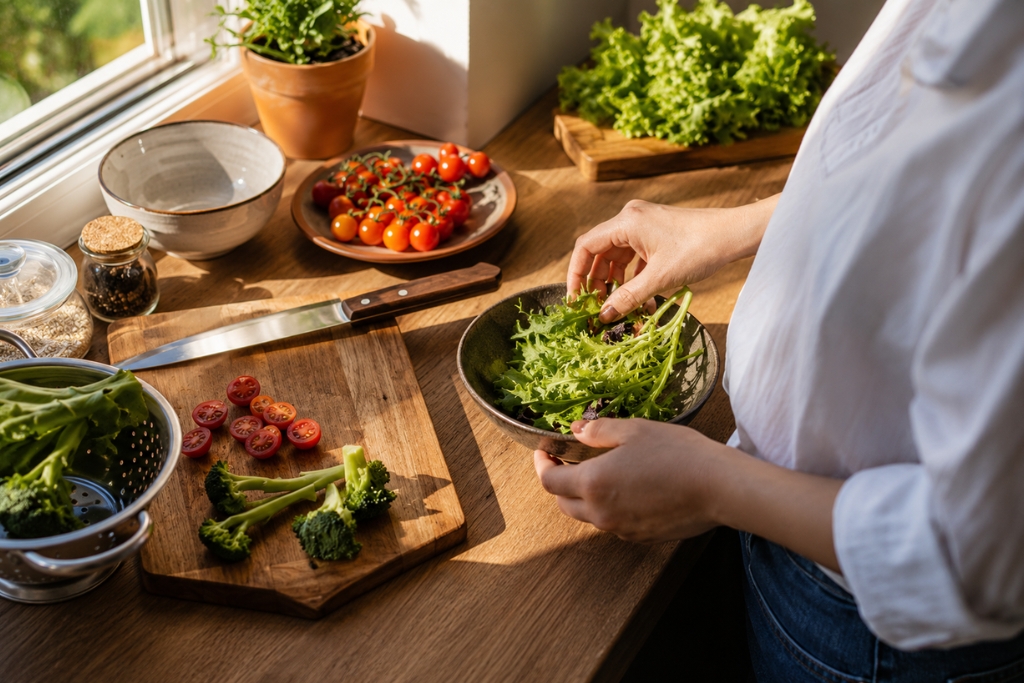
- More berries, pears, and apples with skin intact
- Vegetables at lunch and dinner, not just dinner
Prebiotic foods like oats, bananas, asparagus, and garlic to support gut microbiome health
If food alone feels difficult, psyllium husk supplements can help bridge the gap. The conversation around Metamucil vs. natural detox is growing because many people are realizing structured fiber intake often works better than restrictive cleanses. Just don’t rush it. Increase fiber slowly and drink more water. Otherwise, digestion can feel uncomfortable before it improves.
Why the Wellness Industry Keeps Selling Cleanses
Quick fixes sell. Always have. A cleanse feels dramatic. It feels productive. It creates the illusion that health can happen quickly.
But most detoxification myths ignore something important: the body responds better to consistency than extremes. A few days of juice will never outperform months of balanced eating and proper fiber intake. That does not mean clean eating habits do not matter. They absolutely do. It simply means real wellness tends to look far less glamorous than marketing makes it seem.
Conclusion
The next time a cleanse promises to reset everything in three days, it may be worth pausing before clicking “buy.” A more fiber-rich detox is usually the smarter move for long-term digestive health, steadier energy, and fewer frustrating bloating issues. Instead of stripping meals down to liquids, focus on adding foods that actually support the body’s natural systems. More oats. More vegetables. More beans. More consistency. Turns out, the best detox was sitting in the produce aisle the whole time.