Best Probiotic Foods Beyond Yogurt for Daily Meals
Probiotic Foods Beyond Yogurt
Probiotic Foods Beyond Yogurt can do a lot for your gut if yogurt is the only thing you’ve been relying on. Yogurt is fine. It’s familiar, easy to find, and useful. But it’s not the only food that can support better digestion or a healthier microbiome.
Actually, it may not even be the strongest option. If you often deal with bloating, slow digestion, irregular eating habits, or that heavy feeling after meals, your gut may need more variety. Not more complicated supplements. Not a perfect diet. Just more natural probiotics from different fermented foods. That’s where things get interesting.
Why Yogurt Shouldn’t Do All the Work
Yogurt became the face of gut health for a reason. It contains live cultures, and it can fit easily into breakfast or snacks. But many commercial yogurts contain only a limited range of bacteria. Some also come loaded with sugar, which is not exactly helpful if your goal is digestive health.
Your gut works better with diversity. Think of good gut bacteria like a team. If you keep feeding your body the same few strains, you may miss the wider support that other fermented foods can offer.
A healthy microbiome is not built from one “magic” food. It is shaped by variety, fiber, hydration, sleep, and consistent eating habits. So yes, keep yogurt if you like it. Just make some room for other options too.
Probiotic Foods Beyond Yogurt You Can Try
The best Probiotic Foods Beyond Yogurt usually come from traditional fermentation. That process allows bacteria and yeasts to grow naturally, creating foods that may support gut balance, immune health, and smoother digestion.
Some are dairy-based. Some are completely plant-based. That helps, especially if you’re lactose intolerant or looking for the best dairy free natural probiotic food sources. Here are seven worth knowing.
1. Milk Kefir
Milk kefir looks like drinkable yogurt, but it has a sharper, tangier taste and usually a more diverse culture profile. The main milk kefir benefits come from the way it’s made. Kefir grains contain a mix of bacteria and yeasts, which can make kefir richer in live cultures than standard yogurt.
Start small. A few sips a day is enough in the beginning. If your stomach is sensitive, jumping straight into a full glass can leave you gassy or uncomfortable. Add it to smoothies, pour it over oats, or drink it plain if you like the tart flavor.
2. Kimchi
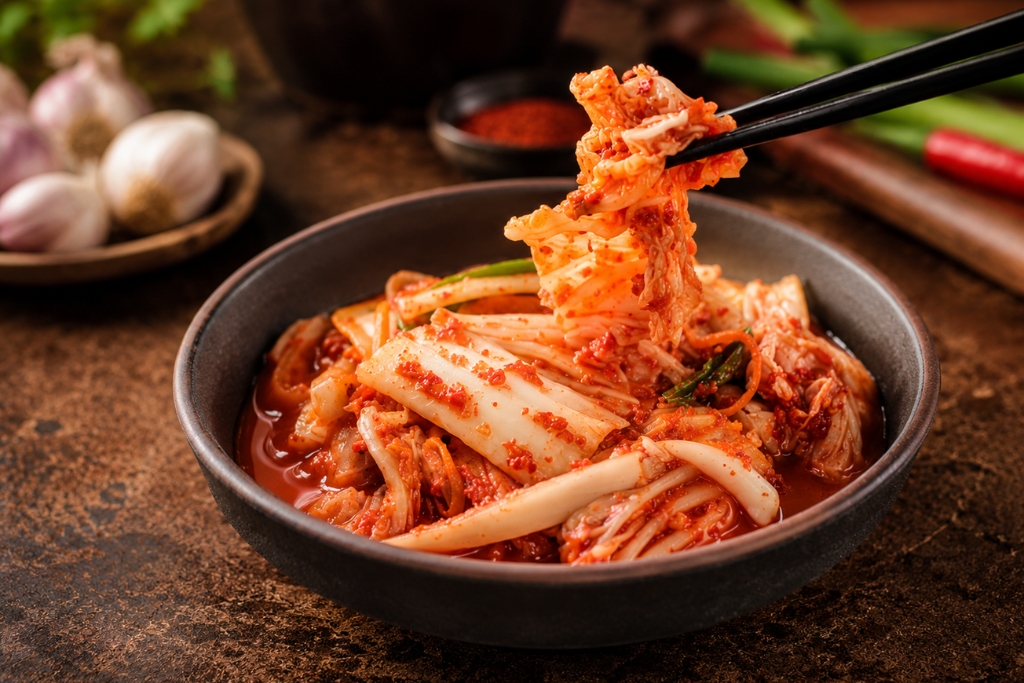
Kimchi brings serious personality to the plate. It’s spicy, sour, crunchy, and deeply flavorful. Made with fermented cabbage, radish, garlic, ginger, and chili, kimchi offers more than just heat. Kimchi’s gut health benefits come from its natural fermentation process and fiber-rich vegetables.
It works beautifully with rice bowls, eggs, noodles, soups, grilled chicken, tofu, or even sandwiches if you like bold flavors. Just keep portions realistic. Kimchi can be salty, so a few spoonfuls are usually enough.
3. Unpasteurized Sauerkraut
Sauerkraut is one of the simplest probiotic foods, but only if you buy the right kind. Unpasteurized sauerkraut contains live cultures because it has not been heat-treated. Shelf-stable canned versions are often pasteurized, which means the heat can kill the very bacteria you’re trying to eat.
Look for words like “raw,” “unpasteurized,” or “live cultures” on the label. This one is easy to use. Add it to sandwiches, salads, grain bowls, or roasted vegetables. It gives meals a sharp flavor without much effort.
Immune boosting foods
4. Cultured Cottage Cheese
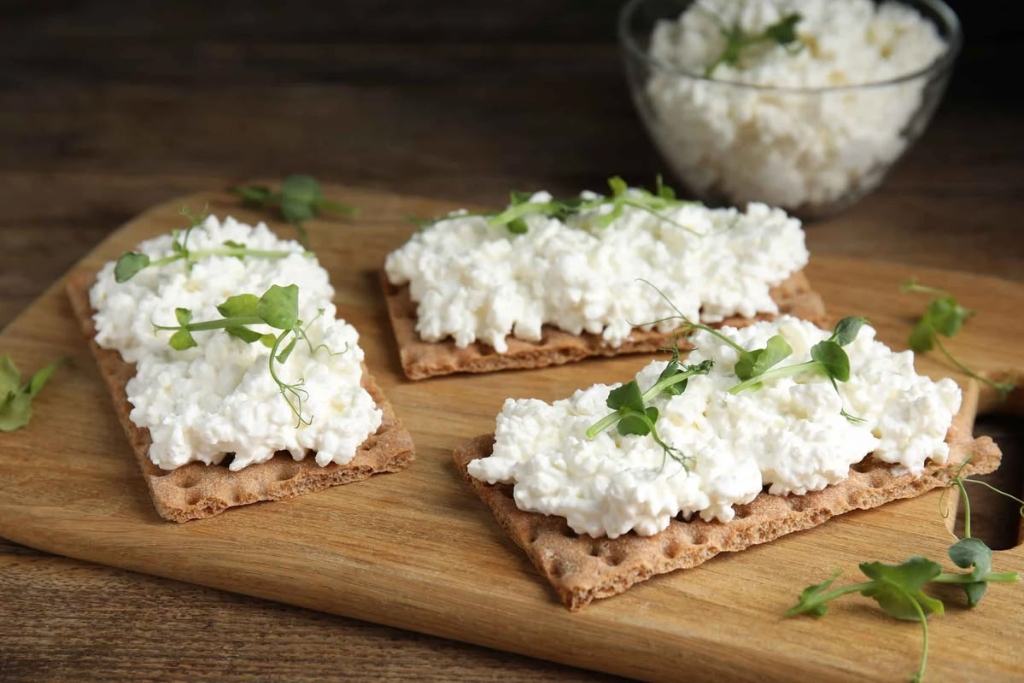
Cultured cottage cheese is a smart choice if you want protein and probiotics together. Not every cottage cheese has live cultures, though. That matters. Check the label before buying.
The right kind can support fullness, muscle repair, and gut health in one simple snack. It works with fruit, black pepper, cucumber, or a drizzle of honey if you prefer something softer and sweeter. It’s not fancy. But it’s practical.
5. Miso Paste
Miso paste nutrition is one of the easiest ways to add fermented food to regular meals. It has a salty, rich, umami flavor that makes soups, sauces, and dressings taste deeper.
But don’t boil it. High heat can reduce live cultures. Stir miso into warm broth after turning off the heat. You can also whisk it into salad dressing or spread a thin layer into marinades. Miso is especially useful for people who want plant-based fermented foods without dairy.
6. Tempeh
Tempeh is made from fermented soybeans pressed into a firm block. It has a nutty flavor and a chewy texture, which makes it great for stir-fries, wraps, salads, and rice bowls. The fermentation benefits here are helpful because the process can make soy easier to digest for some people.
It also brings plant protein, fiber, and minerals. So if you’re asking what fermented foods have more probiotics than yogurt and still feel filling, tempeh deserves a spot.
7. Kombucha
Kombucha is fermented tea with a fizzy, tangy taste. It’s made using a culture of bacteria and yeast, which is why it often gets grouped with natural probiotics. But choose carefully.
Some bottles contain a lot of sugar. That can undo part of the benefit if you drink it daily. Look for low-sugar options and keep the serving moderate. It can be refreshing, but it should not replace water or balanced meals.
Quick Gut-Friendly Tips
If you’re adding High CFU probiotic foods or new fermented foods, go slow.
- Try one new food at a time.
- Start with small servings.
- Choose refrigerated options when live cultures matter.
- Don’t boil miso or cook raw sauerkraut if you want live microbes.
- Watch sodium in kimchi, miso, and sauerkraut.
- Eat more fiber too, because probiotics need something to feed on.
This is where a gut health diet becomes more balanced. Probiotics help, but fiber-rich foods like fruits, vegetables, beans, oats, and whole grains matter just as much.
Conclusion
Probiotic Foods Beyond Yogurt make gut health feel less boring and more realistic. Milk kefir, kimchi, unpasteurized sauerkraut, cultured cottage cheese, miso, tempeh, and kombucha each bring something different to your meals. Some offer more microbial variety. Some work better for dairy-free diets. Some simply make food taste better while supporting good gut bacteria. The smartest approach is not to eat all seven at once. Pick one or two, use them regularly, and give your body time to adjust. Better digestion usually comes from small, steady changes, not one dramatic food swap.